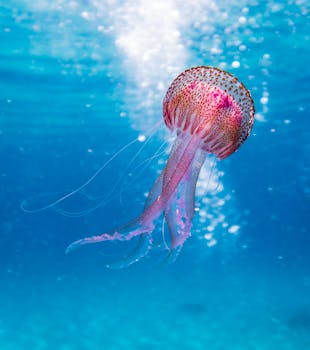
Marine biology is an intriguing field dedicated to the exploration and understanding of ocean life and ecosystems. So, what do marine biologists study? These scientists are committed to researching every facet of marine organisms, from the tiniest plankton to the largest whales, and the interactions within their aquatic environments. By studying these components, marine biologists contribute valuable insights into the health and sustainability of our global oceans.
What Do Marine Biologists Study?
At the core of marine biology is the study of marine organisms and their behaviors. Marine biologists examine aspects such as species classification, migration patterns, and reproductive habits. Furthermore, they explore the ecological interactions between different species and their habitats, providing essential knowledge to safeguard biodiversity.
The field of marine biology spans various sub-disciplines. Researchers might specialize in marine ecology, focusing on the relationships between marine species and their environments. Others may delve into molecular biology to understand the genetic makeup and evolution of sea creatures. Overall, these studies help in preserving marine life and fostering sustainable practices.
The Role of Marine Ecosystems
Understanding marine ecosystems is crucial for marine biologists. These systems encompass various oceanic zones, including coral reefs, deep-sea environments, and coastal regions. Each zone hosts unique species and presents different environmental challenges.
Protecting marine ecosystems is vital due to their role in global ecology. Coral reefs, for example, support high levels of marine biodiversity and protect coastlines from erosion. By studying such environments, marine biologists provide critical data for conservation efforts and policy-making.
Human Impact on the Oceans
Another crucial area of study is the impact of human activities on marine environments. Issues like pollution, overfishing, and climate change are significant threats to ocean health. Marine biologists investigate the effects of pollutants, like plastics and chemicals, on marine life and work on devising strategies to mitigate these impacts.
Climate change, particularly, poses severe challenges. Rising sea temperatures and ocean acidification affect marine species and ecosystems. Marine biologists study these phenomena to forecast future changes and inform sustainable resource management. The NOAA provides valuable information on how scientists address these issues.
Innovative Research and Techniques
The study of marine biology continually evolves with advancements in technology. Marine biologists utilize sophisticated tools such as remote sensing, underwater robots, and genetic analysis to conduct their research. These technologies allow for more in-depth exploration of previously inaccessible areas of the ocean.
Innovative research methodologies have also emerged. For instance, the use of bioinformatic software to analyze complex ecological data enables marine biologists to model ecosystems and predict changes effectively. These cutting-edge approaches provide comprehensive insights into marine life and environmental dynamics.
Pursuing a Career in Marine Biology
For many, the allure of marine biology lies in both the scientific endeavor and the chance to make a positive environmental impact. Those interested in pursuing a career in this field often start by obtaining a degree in marine biology or a related subject. Extensive coursework in biology, chemistry, and physics lays the foundation for future specialization.
Fieldwork is an essential component of marine biology training. Aspiring marine biologists are encouraged to gain practical experience through internships and research projects. This hands-on approach prepares them for the diverse challenges they may face in their careers. If you’re eager to embark on this fascinating journey, explore accredited online biology classes to get started.
Conclusion
In summary, what do marine biologists study? They delve into the complex interactions of marine organisms and their environments, contributing invaluable data on the health and functioning of our oceans. As human pressures increase, the role of marine biologists becomes ever more critical in promoting sustainable practices and preserving marine ecosystems for future generations.
- Marine biologists study the behaviors and interactions of marine organisms.
- Understanding marine ecosystems is essential for biodiversity preservation.
- Human impact research is a key focus area for marine biologists.
- Technological advancements enhance marine biological research.
- Fieldwork and academic training are fundamental for aspiring marine biologists.
What qualifications do I need to become a marine biologist?
Typically, a bachelor’s degree in marine biology or a related field is necessary. Advanced positions may require a master’s or doctoral degree.
What is the importance of studying marine biology?
Studying marine biology is crucial for understanding ocean health, conserving marine biodiversity, and informing sustainable environmental practices.
How do marine biologists help protect oceans?
They conduct research to monitor marine ecosystems, study human impacts, and contribute to conservation strategies and policy development.
Do marine biologists only work in the ocean?
No, marine biologists work in various settings, including laboratories, marine reserves, universities, and policy advisory roles.
Where can I learn more about marine life?
There are many resources available online, such as educational websites, documentaries, and specialized marine research centers. You can start with trusted sources like Wikipedia.