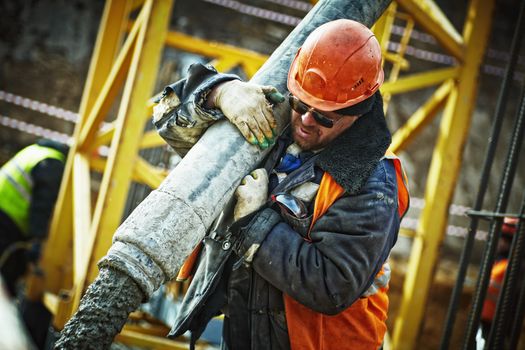
In today’s dynamic job market, labor jobs offer a wealth of opportunities for those seeking a fulfilling and sustainable career path. These roles are often associated with hands-on work in industries such as construction, manufacturing, and logistics. Labor jobs provide not only a stable income but also the chance to develop specific skill sets and expertise that are highly valued across multiple sectors. In this article, we delve into the various aspects of labor jobs, their potential for growth, and why they might be the right choice for you.
The Appeal of Labor Jobs
Labor jobs form the backbone of many essential industries. They are integral to the functioning of a well-balanced economy, offering numerous positions that range from skilled to unskilled labor. These jobs are appealing because they often require an apprenticeship or on-the-job training, allowing individuals to earn while they learn. Learn more about jobs that pay while training.
Beyond the competitive wages, these positions frequently offer job security and opportunities for advancement. As industries grow and technology advances, there is a continuous demand for proficient workers who can adapt to new tools and practices. This makes labor jobs a promising avenue for long-term career development.
Categories of Labor Jobs
Labor jobs can be broadly classified into skilled and unskilled categories. Skilled labor jobs require a certain level of education or specialized training, such as electricians, carpenters, or crane operators. On the other hand, unskilled labor positions, such as warehouse workers or assemblers, often require little to no prior experience and can serve as entry points into the workforce.
Skilled Labor
Skilled labor positions demand specific knowledge and expertise. They contribute significantly to construction, electrical work, plumbing, and similar fields. Professionals in these roles often hold certifications or licenses that not only prove their competence but also enhance their job prospects and earning potential.
Unskilled Labor
Unskilled labor jobs offer an excellent way to enter the labor market. These positions are critical in sectors like manufacturing, with tasks such as packaging or machine operation. While these roles may not require advanced skills initially, they provide ample opportunity for learning and growth, positioning employees for future advancement.
The Benefits of Labor Jobs
Labor jobs are known for providing numerous benefits that can enhance job satisfaction and quality of life. Here are some key benefits:
- Job Security: Many labor jobs are in industries that have shown resilience even during economic downturns, providing a sense of stability.
- Physical Activity: These jobs often involve physical tasks that can contribute to overall health and well-being.
- Skill Development: Workers gain specific skills through experience and training, making them valuable assets to employers.
- Career Progression: Many employers offer pathways to promote from within, allowing workers to rise through the ranks.
Challenges in Labor Jobs
While labor jobs offer substantial benefits, they are not without challenges. The physical demands can lead to wear and tear on the body over time. Additionally, job conditions may vary, often requiring work in inclement weather or in shifts that might extend into nights or weekends. Workers need to be prepared to adapt to these conditions while maintaining safety and productivity.
Immense Potential for Growth
Labor jobs continue to evolve, especially with the increasing incorporation of technology and automation in various industries. This evolution not only creates new roles but also enhances existing ones, offering versatile career paths for forward-thinking individuals. The ability to operate new machinery or understand data-driven tools can make workers indispensable within their sectors.
Resources for Prospective Workers
For those interested in pursuing labor jobs, numerous resources can guide and support their journey. Government websites and educational platforms offer information on training programs, certifications, and job listings. For a deeper dive into the variety of roles available in the labor market, the U.S. Bureau of Labor Statistics provides comprehensive data and analysis.
Conclusion: Choosing Labor Jobs for a Rewarding Career
In conclusion, labor jobs offer a viable and rewarding career path for many individuals. They not only provide a pathway to stable employment but also offer opportunities for personal growth and skill acquisition. Whether you’re just starting your career or looking to pivot into a new sector, labor jobs can lead to a fulfilling professional journey.
- Labor jobs encompass a wide range of roles in essential industries.
- They offer stability, competitive wages, and job security.
- Both skilled and unskilled labor positions are available.
- There are opportunities for training and advancement.
- Labor jobs are evolving with technological advancements.
FAQ
What industries commonly offer labor jobs?
Labor jobs are often found in industries such as construction, manufacturing, agriculture, and logistics. These sectors are vital to the economy and consistently require a reliable workforce.
Do labor jobs require advanced education?
Many labor jobs do not require advanced education; however, skilled positions may require specific training or certifications. Opportunities exist for both entry-level and experienced workers.
How do I start a career in labor jobs?
Starting a career in labor jobs can begin with exploring apprenticeship programs, vocational training, or entry-level positions that offer on-the-job training. Researching industry needs and aligning skills accordingly can also be beneficial.
Are labor jobs suitable for long-term career growth?
Yes, labor jobs can lead to long-term career growth. They offer opportunities for skill development and career advancement through training, experience, and promotions within organizations.
What are the physical requirements for labor jobs?
Labor jobs often have physical demands, including lifting, bending, and standing for extended periods. It’s essential for workers to maintain physical fitness and adhere to safety protocols to minimize injury risks.