
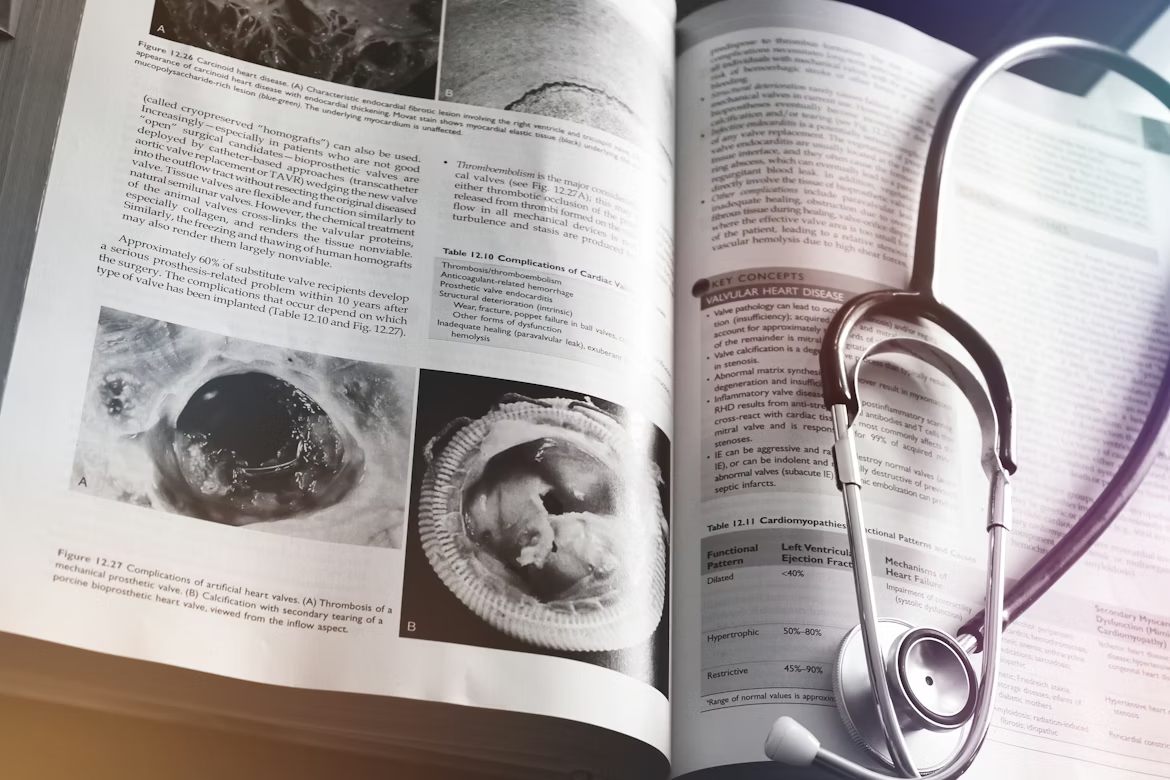
If you are studying medicine or anything related to healthcare, you already know how fast medicine changes every single year. New treatments appear, old guidelines evolve, and research constantly challenges what we thought was correct.
Globally, the pharmaceutical market, as of 2025, is valued at over $1,700 billion. Within the next seven years, this market will reach a value of over $2,770 billion. That means new medicines are entering the market frequently. Similarly, you’ll find other new healthcare products, tech, and practices entering the market at a rapid pace.
Keeping up with all these can feel overwhelming, especially when exams, internships, and personal life compete for attention. Still, staying updated is not optional if you want to become a confident professional in the future.
In this article, we will discuss some of the most effective ways you, as a healthcare student, can stay updated on the latest medical practices.
Build a Habit of Reading Medical Journals
One of the best ways to stay current is by reading trusted medical journals regularly. These journals share new research, treatment methods, and clinical findings from professionals worldwide.
The global medical publishing market is valued at over $15 billion as of 2025. North America alone holds a market share of over 38 percent when it comes to such medical publications. You do not need to read every single journal, nor do you have to read from cover to cover every day. Instead, choose two or three reliable journals and check them weekly.
Try setting aside fifteen minutes daily for reading summaries or highlighted articles. Over time, this small habit builds strong academic confidence. You will recognize new terms faster and understand lectures more deeply.
Reading research also trains you to think critically about evidence. That skill becomes essential when you start treating real patients and making important decisions.
Stay Updated Through Reliable Medical News Sources
Keeping up with medical news helps you understand what is happening beyond textbooks and classrooms. Reliable health websites, newsletters, and professional magazines share updates on policies, treatments, and discoveries.
Following a few trusted sources prevents information overload. It also helps you develop awareness about global health trends and emerging challenges. Reading medical news also protects you from outdated or misleading information.
For example, reports surrounding the Depo-Provera birth control lawsuits show how certain medications may carry serious risks. As noted on TorHoerman Law, Depo-Provera remains approved for usage but carries potential serious risks.
Learning about Depo-Provera use in birth control helps students understand patient safety concerns. Stories discussing Depo-Provera lawsuit sign-up processes remind readers that legal action often follows medical harm. Staying informed about such medical cases and even legal proceedings teaches you how medical decisions affect real lives.
Learn Through Conferences and Online Webinars
Medical conferences and webinars are powerful learning spaces for students. They expose you to experts who share real-world experiences and practical insights. Many events are now online, making them affordable and easy to access. You can attend sessions from your dorm room or local library.
When you join these events, take notes and reflect afterward. Think about how the information connects to your coursework.
Some webinars also offer certificates, which strengthen your resume. More importantly, you start feeling part of the professional community. That sense of belonging motivates you to keep learning even when studies become stressful.
Practice Skills in Clinical Settings Whenever Possible
Classroom learning builds foundations, but clinical exposure brings medicine to life. Hospitals, clinics, and community programs allow you to observe professionals in action. Watching experienced doctors and nurses teaches skills that books cannot explain. You learn how they communicate, diagnose, and manage pressure.
If your schedule allows, volunteer or request extra clinical hours. Ask thoughtful questions and reflect on what you see. Each patient interaction teaches empathy and adaptability.
Over time, these experiences sharpen your instincts and confidence. Practical exposure also helps you connect theory with reality, making your studies feel more meaningful and motivating.
Build Strong Relationships With Mentors and Peers
Learning medicine should never be a lonely journey. Mentors guide you through challenges and share wisdom from their own careers.
As of 2025, the US was short of 84,930 to 130,600 doctors. By 2036, the country projects a total shortfall of up to 86,000 physicians. Under such circumstances, senior students, instructors, and even professionals are willing to help enthusiastic students. They can offer advice you will not find online. Their feedback helps you grow faster and avoid common mistakes.
Peers are equally valuable learning partners. Study groups encourage discussion and diverse viewpoints. Explaining topics to classmates improves your own understanding.
When you struggle, friends often notice before anyone else. Building supportive relationships creates a learning environment where everyone improves together. This network will continue helping you long after graduation.
FAQs
How do you stay current with the latest medical research and advancements?
Staying current involves reading peer-reviewed journals, following updates from the World Health Organization, using databases like PubMed, and reviewing evidence from the Cochrane Collaboration. Attending conferences, webinars, and professional training also helps healthcare workers remain informed.
How can healthcare best be improved by education?
Healthcare can be improved through continuous education for professionals and patients. Training programs, public awareness campaigns, and research-based guidelines from the National Institutes of Health promote better diagnosis, treatment, and prevention. Education empowers individuals to make informed decisions and supports safer, higher-quality healthcare systems.
What is the most effective method of health education?
The most effective health education combines interactive learning, clear communication, and community involvement. Using workshops, digital platforms, and guidance from organizations like the Centers for Disease Control and Prevention improves understanding. Tailoring messages to cultural needs and encouraging participation increases long-term behavior change.
Keeping up with modern medical practices is often difficult, but it becomes manageable with the right habits. Remember that progress happens through small daily actions, not sudden bursts of effort.
Be patient with yourself and stay curious, as the healthcare field rewards those who remain open to learning throughout their lives. Your journey as a healthcare professional is just beginning, and every step matters.

