
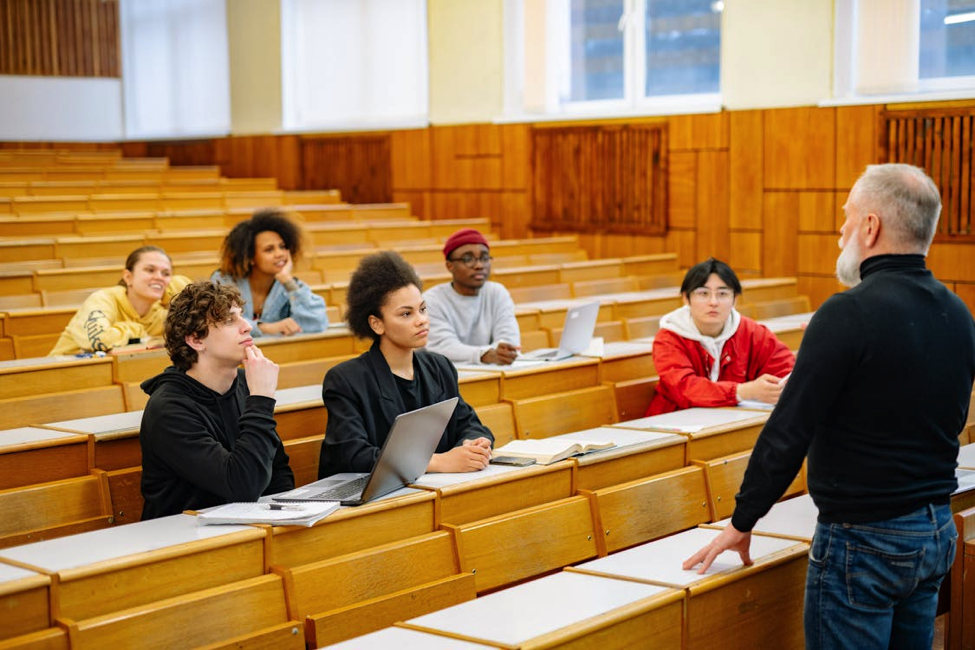
Have you ever wondered why college today feels so different from what your parents experienced? Higher education is no longer a one-size-fits-all system. Students are older, busier, and more cost-conscious than ever. Colleges are responding by reshaping programs, delivery methods, and support systems. From flexible schedules to career-focused learning, schools are trying to meet students where they are. The changes reflect bigger shifts in society, technology, and the job market.
The Rise of Flexible Learning Models
Colleges are moving away from rigid schedules and fixed classroom setups. Many students now work part-time or full-time, so schools offer evening classes, hybrid formats, and self-paced options. Flexibility is no longer a bonus; it is expected.
This shift became urgent during the COVID-19 pandemic, when remote learning went from optional to necessary. Even now, students want control over when and how they learn. Universities that fail to adapt risk losing enrollment to more flexible competitors.
Online Degrees Become Mainstream
Online education has grown from a backup option to a primary pathway. Students who once felt limited by location can now enroll in programs across the country. This has made higher education more accessible for working adults and parents.
Within this shift, programs like an online liberal studies bachelor’s degree are gaining attention because they offer broad, adaptable skills. Employers increasingly value critical thinking and communication, which these programs emphasize. As remote work becomes more common, degrees that support flexibility and transferable skills are becoming more attractive.
Cost Pressures Are Driving Change
Tuition costs have been a major concern for years, and student debt remains a national issue. According to recent federal data, Americans hold over $1.7 trillion in student loan debt. This reality has pushed schools to rethink pricing and value.
Some colleges are freezing tuition or offering shorter degree programs to reduce costs. Others are expanding financial aid or creating income-share agreements. Students now ask tough questions about return on investment, and institutions must provide clear answers or risk losing trust.
Career Readiness Takes Center Stage
Students today want degrees that lead to jobs, not just knowledge. Colleges are responding by strengthening career services, internships, and partnerships with employers. Programs now often include hands-on learning, such as project-based courses or industry certifications.
This trend reflects a broader shift in the economy, where skills matter as much as credentials. Tech companies, for example, increasingly hire based on portfolios rather than degrees alone. Universities are adapting by blending academic learning with real-world experience to stay relevant.
Technology Is Reshaping the Classroom
Digital tools are transforming how students learn and interact. Learning management systems, video lectures, and AI tutors are now common. These tools allow for personalized learning, where students can move at their own pace and revisit material as needed.
Artificial intelligence, in particular, is changing the game. Some schools use AI to provide instant feedback on assignments or to help students plan their coursework. While this raises questions about academic integrity, it also opens new possibilities for support and engagement.
Mental Health Support Becomes Essential
Modern students face high levels of stress, from financial pressure to social challenges. Colleges are expanding mental health services to meet this need. Counseling centers, peer support programs, and wellness initiatives are becoming standard offerings.
The rise in anxiety and depression among young adults has made this a priority. Schools are also training faculty to recognize signs of distress and respond appropriately. Supporting mental health is no longer separate from academic success; it is a key part of it.
Diversity and Inclusion Shape Policies
Higher education is placing greater emphasis on diversity, equity, and inclusion. Students expect campuses to reflect a wide range of backgrounds and perspectives. This includes not only admissions policies but also curriculum and campus culture.
Recent social movements have pushed universities to address systemic inequalities more directly. Some schools are revising course materials to include more diverse voices, while others are expanding support for first-generation students. These efforts aim to create a more inclusive learning environment.
Alternative Credentials Gain Credibility
Traditional degrees are no longer the only path to success. Short-term credentials like certificates, bootcamps, and digital badges are gaining respect among employers. Companies such as Google and IBM now offer their own certifications, sometimes valuing them as much as a college degree.
Colleges are responding by partnering with industry leaders to offer similar programs. These credentials often take months instead of years, making them appealing for students who want faster results. As hiring practices evolve, higher education is learning to coexist with, rather than compete against, these alternative pathways.
Student Voices Influence Institutional Decisions
Students today expect to be heard, and colleges are paying attention. Feedback through surveys, student governments, and social media now plays a larger role in shaping policies. From dining options to course formats, student input is influencing decisions more directly than before.
This shift reflects a broader cultural trend toward transparency and accountability. Universities that ignore student concerns risk public backlash and declining enrollment. By listening more closely, institutions can create environments that feel more supportive and relevant to the people they serve.
Lifelong Learning Becomes the Norm
The idea that education ends with a degree is fading. Many professionals now return to school throughout their careers to update their skills. Colleges are offering short courses, certificates, and micro-credentials to meet this demand.
This trend is tied to rapid changes in the job market. Industries evolve quickly, and workers need to keep up. Universities that embrace lifelong learning can build lasting relationships with students, rather than serving them for just a few years.
Higher education is in the middle of a major transformation. It is becoming more flexible, more practical, and more responsive to real-world needs. While challenges remain, the changes show a system trying to adapt to a new kind of student. For learners, this means more choices and more control. For institutions, it means staying relevant in a fast-changing world.

