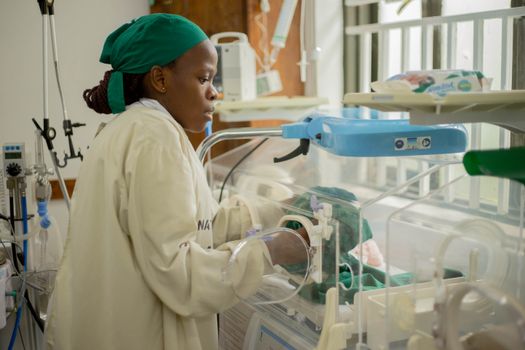
You may picture yourself caring for a frightened child in a hospital and wonder, “How many years does it take to become a pediatric nurse?” The short answer is usually two to four years to become a registered nurse, followed by whatever time you need to secure a pediatric position. Some nurses begin working with children immediately after graduation, while others first gain general nursing experience.
Your total timeline depends mainly on your education, completed college credits, state licensing process, and whether local employers hire new graduates into pediatric units. For most students starting without a previous degree, becoming job-ready takes approximately three to five years when prerequisites, nursing school, licensing, and the job search are considered.
How Many Years to Become a Pediatric Nurse?
A pediatric nurse is generally a registered nurse who specializes in caring for infants, children, and adolescents. You do not usually need a separate undergraduate degree called “pediatric nursing.” Instead, you complete an approved nursing program, qualify as an RN, and pursue pediatric clinical experiences and jobs.
The two most common educational routes are:
- Associate degree in nursing: Often about two years of nursing coursework, although prerequisites, admission delays, and school schedules can bring the total closer to three years or longer.
- Bachelor of Science in Nursing: Typically four years for a full-time student entering directly from high school.
After graduation, you must meet your state board of nursing’s requirements and pass the NCLEX-RN. Application processing, exam scheduling, and license approval may add several weeks or months.
Therefore, a realistic answer to how long it takes to become a pediatric nurse is about two and a half to five years for most first-time college students. Certification can extend the professional-development timeline, but it is not normally required before applying for your first pediatric RN job.
Step 1: Complete Nursing School Prerequisites
Nursing programs commonly require courses such as anatomy and physiology, microbiology, chemistry, psychology, nutrition, and statistics. Schools may also require entrance testing, immunization records, CPR training, background checks, or specific grades in science classes.
Prerequisites may take one or two semesters if you already have general education credits. They can take one to two years if you are beginning college from scratch or attending part time. Some four-year BSN programs include prerequisites within the degree, while many associate degree programs expect applicants to complete several courses before admission.
Program availability also affects the timeline. Meeting the minimum requirements does not always guarantee immediate admission, especially at schools with limited clinical placements. Comparing application deadlines early can help you avoid losing an entire semester.
Step 2: Earn an ADN or BSN
The associate degree route
An associate degree in nursing, often called an ADN or ASN, can provide a relatively fast route to RN licensure. The nursing portion is commonly structured around two academic years, but the total time may be longer once prerequisite courses are included.
Graduates can qualify for entry-level RN positions after meeting state requirements and passing the licensing exam. However, some children’s hospitals prefer or require a BSN, particularly for highly competitive inpatient positions. An ADN graduate can later enter an RN-to-BSN program while working.
The bachelor’s degree route
A traditional BSN generally takes four years. In addition to clinical nursing courses, BSN programs typically include broader study in leadership, research, public health, communication, and care coordination.
The longer route may provide access to more hospital opportunities and can make future graduate education easier. Students who already hold a bachelor’s degree in another subject may qualify for an accelerated BSN. These intensive programs can sometimes be completed in roughly 12 to 18 months, although applicants may need to finish science prerequisites first.
Step 3: Build Pediatric Experience During Training
Nursing students receive supervised clinical education, but not every program offers the same amount of pediatric exposure. When possible, request pediatric rotations, internships, externships, volunteer opportunities, or capstone placements involving children.
Pediatric nursing requires more than adapting adult care to smaller patients. Children’s medication doses may depend on weight, normal vital signs change with age, and nurses must recognize symptoms in patients who may not be able to describe what they feel. Communication also involves parents or guardians, who need clear explanations and emotional support.
Relevant experience as a nursing assistant, patient care technician, camp health aide, or hospital volunteer may strengthen a future application. However, these roles do not replace RN education, licensure, or the RN practice hours needed for specialty certification.
Step 4: Pass the NCLEX-RN and Obtain a License
After graduating from an approved program, you apply to the appropriate state board of nursing and register for the NCLEX-RN. States may also require fingerprinting, a background check, fees, or additional documentation.
Preparation time varies. Some graduates test soon after receiving authorization, while others spend several additional weeks reviewing. If you do not pass, retesting rules and waiting periods can lengthen the process. Because licensing requirements differ by state, review your state board’s instructions before graduation rather than waiting until your program ends.
Step 5: Find Your First Pediatric Nursing Job
You can apply for pediatric positions once you are licensed, and some employers accept applications from students approaching graduation. Possible workplaces include children’s hospitals, pediatric offices, outpatient clinics, schools, rehabilitation programs, home health agencies, and community health organizations.
You do not necessarily need years of adult nursing experience first. Some employers hire new graduates into pediatric nurse residency or orientation programs. Others prefer candidates with previous RN experience, especially for pediatric intensive care, emergency care, oncology, or other specialty units.
Your first job search may take a few weeks or several months depending on location, local competition, and willingness to work nights, weekends, or rotating shifts. Applying beyond one hospital and considering outpatient or home-based pediatric care can expand your options.
Do You Need Pediatric Nursing Certification?
Specialty certification is usually optional for a first job. The Pediatric Nursing Certification Board requires a current, unrestricted RN license and qualifying pediatric RN experience before a nurse can take its Certified Pediatric Nurse examination. The standard pathway requires 1,800 hours of pediatric RN experience completed within the previous 24 months, according to the board’s Certified Pediatric Nurse eligibility requirements.
For someone working full time in pediatrics, 1,800 hours may take approximately a year, although schedules vary. Certification demonstrates pediatric nursing knowledge beyond basic RN licensure, but it should be viewed as a later career milestone rather than an initial requirement.
What If You Want an Advanced Pediatric Role?
A pediatric nurse practitioner follows a longer path. After becoming an RN and usually earning a BSN, the nurse completes graduate-level nurse practitioner education, supervised clinical training, national certification, and state advanced-practice requirements. The entire process may take six to eight years or more from the beginning of college.
This role differs from that of a pediatric surgeon, who completes medical school and extensive surgical residency training. If you are comparing pediatric healthcare careers, learning how much pediatric surgeons can earn may help clarify the differences in education, responsibility, and career outlook.
A Practical Timeline
- Traditional ADN route: Approximately two and a half to four years including prerequisites and licensing.
- Traditional BSN route: Approximately four to five years including licensing and the job search.
- Accelerated BSN after another bachelor’s degree: Often one to two years after required prerequisites.
- Optional pediatric certification: Commonly pursued after about a year or more of pediatric RN employment.
Ultimately, how many years to become a pediatric nurse depends on where you begin. The fastest route is not always the best one for every student. Choose an approved nursing program that fits your finances, schedule, learning needs, and local employment market. With thoughtful planning, you can move from prerequisites to your first pediatric nursing job without adding unnecessary delays.