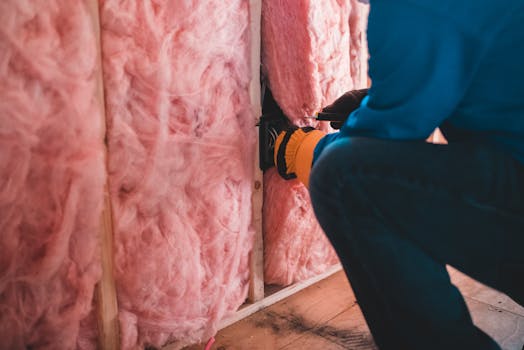
The need for energy-efficient solutions has never been greater, and reflective foam insulation is gaining attention due to its potential to significantly improve energy conservation in buildings. This innovative material offers a unique combination of reflection and insulation, enhancing thermal performance and contributing to reduced energy consumption. As homeowners and builders seek to lower energy costs and improve environmental impact, understanding the role of reflective foam insulation is crucial.
The Advantages of Reflective Foam Insulation
Reflective foam insulation acts by reflecting radiant heat, making it an excellent choice for both new constructions and retrofits. By reducing the amount of heat absorbed, it helps maintain a consistent indoor temperature, contributing to lower heating and cooling costs. This type of insulation is particularly effective in areas with extreme temperature variations, providing year-round benefits.
Another significant advantage of reflective foam insulation is its ease of installation. Its lightweight properties allow it to be used in various settings, from residential homes to commercial buildings. The flexibility of the material means it can be fitted into tight spaces and around irregularly shaped structures, enhancing its appeal to builders and contractors.
How Reflective Foam Insulation Works
Reflective foam insulation combines two key components: reflective surfaces and insulating foam. The reflective surfaces are typically made of aluminum foil or metalized film, which can reflect up to 97% of radiant heat away from the insulated space. Meanwhile, the foam component provides additional resistance to heat flow, enhancing the overall thermal performance.
This dual action not only reduces heat transfer but also prevents moisture buildup, which can lead to mold and mildew. This makes reflective foam insulation a suitable option for maintaining the structural integrity of buildings while ensuring a healthier indoor environment.
Applications and Benefits
The versatility of reflective foam insulation makes it applicable to a wide range of settings. It is widely used in attics, basements, and walls to prevent heat loss and enhance energy efficiency. Additionally, it can be used in ducts and pipes to minimize heat loss and condensation, further contributing to energy savings.
The benefits of using reflective foam insulation extend beyond energy savings. It can also improve indoor comfort by maintaining more stable temperatures, reducing the reliance on HVAC systems, and thereby increasing their lifespan. This material’s contribution to sustainability makes it an attractive choice for environmentally conscious consumers and developers.
Challenges and Considerations
While reflective foam insulation offers numerous advantages, there are some considerations to keep in mind. The initial cost of installation can be higher compared to other types of insulation, but the long-term savings often justify the investment. Additionally, achieving the best results requires proper installation by knowledgeable professionals to ensure full coverage and effectiveness.
It is also crucial to understand the specific needs of your building when choosing reflective foam insulation. The effectiveness of the insulation can vary based on climate, installation location, and the type of construction. Consulting with energy professionals to assess these factors can enhance the benefits of installation.
Reflective Foam Insulation in Modern Architecture
Incorporating reflective foam insulation into modern architecture aligns with the broader goal of developing energy-efficient buildings. The sustainable nature of this insulation makes it a preferred choice in green building certifications and projects aiming to meet higher environmental standards. As the construction industry continues to evolve, the integration of reflective foam insulation represents a forward-thinking approach to building design.
This commitment to energy efficiency is further emphasized in educational advancements, with resources like our guide to free online courses helping professionals stay informed on the latest sustainable practices.
Comparing with Other Insulation Types
Reflective foam insulation is one of several insulation options available today. Comparing its properties with other types, such as fiberglass or cellulose, reveals distinct advantages and potential fit for specific applications. Unlike other insulations, its primary benefit lies in reflecting radiant heat, making it superior in hot climates.
While reflective foam insulation may not provide the same soundproofing benefits as some other insulations, its thermal efficiency often makes it a more attractive option in energy-focused projects. This choice should be informed by the specific needs and goals of the building project.
Given the increasing demand for energy efficiency and sustainability, it is essential to explore credible sources. For more detailed information, consider visiting Building Insulation on Wikipedia.
The Future of Reflective Foam Insulation
As energy-saving technologies evolve, reflective foam insulation remains a vital component of an integrated strategy for reducing energy consumption. It promises continued enhancement in materials and applications, offering even greater efficiency and versatility.
The development of new reflective materials and smarter installation techniques will further enhance the benefits of this insulation. For homeowners and businesses investing in energy efficiency, reflective foam insulation offers a promising solution aligned with future energy standards.
Reflective foam insulation represents a practical and efficient way to improve a building’s thermal performance. With ongoing improvements in materials and installation methods, it stands as a valuable tool in pursuing energy efficiency.
- Reflective foam insulation improves energy efficiency by reducing radiant heat transfer.
- Its applications in various building components enable broad adaptability and convenience.
- Proper installation and climate considerations enhance its effectiveness.
- It’s essential to compare this insulation type with others to determine the best fit for your needs.
- Continued advancements promise greater benefits for sustainable architecture.
What is reflective foam insulation?
Reflective foam insulation is a material that combines reflective surfaces with insulating foam to reduce heat transfer and improve energy efficiency in buildings.
How does reflective foam insulation improve energy efficiency?
It reduces the amount of radiant heat absorbed by reflecting up to 97% of heat, thus maintaining more stable indoor temperatures and lowering energy costs.
In what areas can reflective foam insulation be used?
It is suitable for attics, basements, walls, ducts, and pipes, where it can prevent heat loss and contribute to improved thermal performance.
Are there any considerations when installing reflective foam insulation?
Yes, the initial cost and need for proper installation are important factors. Careful consideration of climate and building needs is recommended.
What are the future prospects for reflective foam insulation?
The future looks promising with ongoing material advancements and installation techniques likely to enhance its efficiency and adaptability further.