
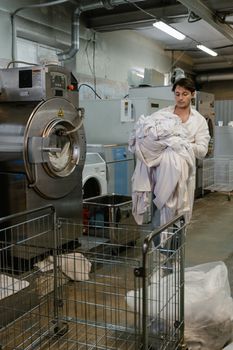
You see a “laundry attendant wanted” sign at a hotel or care facility and wonder whether you are qualified. Perhaps you have never used an industrial washer, handled commercial linens, or worked in a production setting. The good news is that many laundry attendant positions are entry-level and provide training on the job. Employers often care more about reliability, attention to detail, safe work habits, and willingness to learn than previous laundry experience.
What Does a Laundry Attendant Do?
A laundry attendant collects, sorts, washes, dries, folds, stores, and distributes clothing or linens. The exact duties depend on the workplace. Hotel attendants may prepare sheets and towels for housekeeping teams, while attendants in hospitals or residential care facilities may follow stricter procedures for separating and handling used linens. Workers in laundromats or dry-cleaning businesses may also interact with customers, label orders, process payments, and prepare items for pickup.
Common responsibilities include:
- Sorting items by color, fabric, soil level, or cleaning requirements
- Loading and unloading commercial washers and dryers
- Measuring detergent and other laundry products correctly
- Inspecting items for stains, tears, damage, or objects left in pockets
- Folding, pressing, hanging, packaging, or stacking finished items
- Keeping work areas, carts, machines, and storage spaces clean
- Recording completed loads or tracking linen inventory
- Reporting equipment problems and damaged items
- Following workplace procedures for chemical use and contaminated laundry
The work is practical and often repetitive, but it directly affects the customer or guest experience. Clean sheets, towels, uniforms, and clothing must be available when needed, so accuracy and steady productivity matter.
Do You Need Education or Previous Experience?
Most entry-level laundry attendant jobs do not require a college degree or specialized certification. Some employers prefer a high school diploma or equivalent, but requirements vary. Training commonly covers machine controls, product measurements, fabric-care labels, stain treatment, workplace safety, and the employer’s quality standards.
Previous experience in housekeeping, cleaning, food service, retail, warehousing, or customer service can help. These jobs develop transferable abilities such as following procedures, maintaining sanitation, managing time, handling physical tasks, and working with a team. Even household laundry experience can be relevant if you describe it professionally rather than presenting it as formal employment.
Skills Employers Look For
Attention to detail
A laundry attendant must notice stains, damaged fabric, mixed colors, incorrect labels, and items that require special treatment. A small mistake can ruin clothing or delay linen delivery to an entire department.
Dependability
Laundry operations often work according to strict schedules. Hotels need linens before rooms can be prepared, and health care or residential facilities may require a dependable supply throughout the day. Arriving on time and completing assigned work consistently can make you a strong candidate.
Physical stamina
The role may involve standing for long periods, bending, reaching, pushing carts, and lifting bags or bundles. Wet laundry can be especially heavy. OSHA notes that excessive reaching, pushing, and lifting wet laundry may contribute to back or shoulder strains and sprains. Its guidance on reducing musculoskeletal risks in laundry work emphasizes suitable equipment and safer handling practices.
Organization and time management
Several loads may be moving through different stages at once. Attendants must keep items separated, monitor machine cycles, prevent finished laundry from becoming mixed with used laundry, and prioritize urgent requests.
Communication
Laundry attendants coordinate with supervisors, housekeepers, maintenance workers, nursing staff, delivery drivers, or customers. Clear communication helps prevent missing orders, supply shortages, and equipment-related accidents.
How to Get Your First Laundry Attendant Job
Start by searching hotels, resorts, hospitals, nursing homes, assisted-living communities, commercial laundries, dry cleaners, fitness centers, spas, and uniform services. Search related titles such as laundry aide, linen attendant, laundry worker, laundry assistant, or wash-and-fold attendant.
Read each posting carefully and identify the qualities the employer repeats. If the advertisement mentions punctuality, linen sorting, lifting, teamwork, or quality inspections, reflect those strengths in your application when they are accurate.
Your résumé can include:
- Cleaning, housekeeping, warehouse, retail, or customer-service experience
- Experience operating household or workplace cleaning equipment
- Examples of meeting deadlines or maintaining quality standards
- Comfort with standing, sorting, folding, and performing repetitive tasks
- Availability for early, evening, weekend, or holiday shifts
- Languages spoken and relevant safety training
Keep the document clear and focused on the employer’s needs. Although the occupation is different, these principles for creating an effective service-industry curriculum vitae can help you present transferable skills, reliability, and customer-focused experience.
How to Build Experience When You Are New
If employers request experience, look for accessible ways to demonstrate that you can perform the work. Apply for part-time, seasonal, temporary, or overnight positions, which may attract fewer applicants. Staffing agencies sometimes recruit workers for hotels, care facilities, and commercial laundry operations.
You may also build related experience through housekeeping, custodial work, linen-room assistance, hospitality internships, or community volunteer roles involving clothing donations. Sorting donated clothing, organizing supplies, and following sanitation procedures can provide useful examples for an interview, even if the role did not involve commercial machines.
Once hired, ask to learn more than one station. Experience with sorting, washing, drying, folding, pressing, inventory, order tracking, and customer service makes you more versatile. Keep a record of the equipment you learn to operate and any safety or workplace training you complete.
What to Expect During an Interview
An interviewer may ask how you manage repetitive work, respond to damaged items, prioritize several loads, or maintain accuracy during a busy shift. You may also be asked about your schedule and ability to complete physical tasks safely.
Use specific examples whenever possible. You might describe how you maintained a clean workstation, noticed an error before it affected a customer, completed tasks under time pressure, or helped a team finish a demanding shift. If you lack formal experience, be honest and emphasize that you follow instructions carefully and are ready to learn the employer’s procedures.
Staying Safe and Effective at Work
Do not mix chemicals or transfer them into unmarked containers. Follow product labels, workplace instructions, and required protective-equipment rules. Report leaks, unusual machine noises, damaged cords, and slippery floors instead of attempting repairs without authorization.
Use carts when available, avoid overloading bags, keep frequently handled items within comfortable reach, and ask for help with heavy or awkward loads. Wear supportive, slip-resistant footwear if the employer allows or requires it. In health care and residential settings, follow the facility’s procedures for handling used or potentially contaminated linens rather than shaking or sorting them in an unauthorized area.
Where the Job Can Lead
With experience, a laundry attendant may advance to lead attendant, linen-room coordinator, shift supervisor, quality-control worker, route-service worker, housekeeping supervisor, or laundry manager. Commercial facilities may offer opportunities to specialize in stain treatment, pressing, equipment operation, inventory control, or customer accounts.
Advancement usually comes from learning the entire workflow, maintaining dependable attendance, preventing avoidable damage, and helping newer employees work safely. A laundry attendant position can therefore be more than a short-term job: it can provide a practical entry point into hospitality, health care support, commercial cleaning, textile care, or operations supervision.

