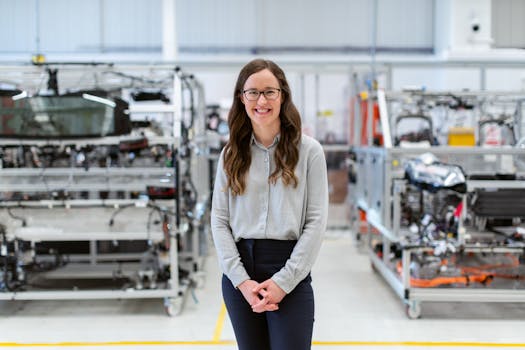
As the modern world rapidly evolves, the role of a head of engineering becomes increasingly crucial in driving innovation and ensuring that technology-based companies remain competitive. The head of engineering not only oversees the engineering teams but also plays a strategic role in aligning engineering practices with the broader business objectives.
Duties and Responsibilities of a Head of Engineering
The responsibilities of a head of engineering encompass both technical and managerial domains. They are responsible for defining engineering strategies, nurturing talent, and ensuring the efficient execution of projects.
- Overseeing entire engineering departments and maintaining seamless communication across teams.
- Developing and implementing technical strategies that align with company goals.
- Leading the development of new technologies and system designs.
- Mentoring team leaders and cultivating a culture of innovation.
- Managing timelines, budgets, and resources efficiently.
Essential Skills for Success
To excel as a head of engineering, one must possess a unique combination of technical prowess and soft skills. Technical proficiency, leadership capabilities, and strategic thinking are essential components of this role.
- Technical Skills: Advanced knowledge of various engineering disciplines is crucial.
- Leadership: The ability to inspire and guide others toward achieving the company’s vision.
- Communication: Effectively sharing information across teams and with stakeholders is key.
- Problem-Solving: The capacity to troubleshoot issues and implement effective solutions.
Becoming a Head of Engineering
Transitioning to the role of a head of engineering requires a blend of experience, education, and the right opportunities. It typically involves advanced degrees and progressively responsible roles in engineering.
Most heads of engineering have an engineering degree, often complemented by a master’s or MBA. While book knowledge is fundamental, practical experience in leading projects and teams is invaluable.
Strategic Career Path
Many successful heads of engineering have followed a progressive career path that includes:
- Starting in an entry-level engineering job and gaining hands-on experience.
- Specializing in a specific field to deepen technical expertise.
- Transitioning to management roles to gain leadership experience.
- Continuing education through courses or certifications focused on leadership and management.
Networking and Mentorship
Building a network of professional contacts is essential for growth in this field. Additionally, finding a mentor who can provide guidance and career advice is incredibly helpful.
Challenges Faced by Heads of Engineering
While the role is rewarding, heads of engineering also face unique challenges. These may include keeping up with rapidly changing technologies and balancing competing priorities.
- Staying abreast of technological advancements to keep the company competitive.
- Ensuring product quality and performance under tight deadlines.
- Dealing with resource constraints while meeting project requirements.
- Navigating organizational changes and aligning the team with new directions.
For more insights on evolving roles and how they’re compensated, explore our discussion on the highest paying job trends.
Conclusion: Leading the Future as a Head of Engineering
The role of a head of engineering is critical in shaping the technological landscape. By continuously developing their skills, understanding industry trends, and effectively leading their teams, heads of engineering are poised to propel their organizations into the future.
- The head of engineering is pivotal in strategic technical leadership.
- Combining technical skills with leadership is crucial for success.
- The role involves overcoming challenges and adapting to changes.
- Nurturing talent and fostering innovation are key responsibilities.
- Continuous learning and networking enhance career growth.
What makes a great head of engineering?
Great heads of engineering excel in both technical knowledge and leadership skills. They foster a strong team culture, encourage innovation, and ensure alignment of engineering goals with business objectives.
What qualifications are typically required for a head of engineering?
Generally, a head of engineering has an advanced degree in engineering or a related field, along with significant experience in managerial roles and expertise in specific technological areas.
How does a head of engineering stay updated with technological trends?
Continuous learning through professional courses, attending industry conferences, reading scholarly articles, and engaging in networking events are all effective methods for staying current.
What industries employ heads of engineering?
Heads of engineering are employed in various industries including technology, manufacturing, automotive, aerospace, and virtually any sector that requires innovation and technological development.
Where can I find more information about engineering education?
For additional details on engineering education, you may refer to this informative article on education systems and opportunities.