
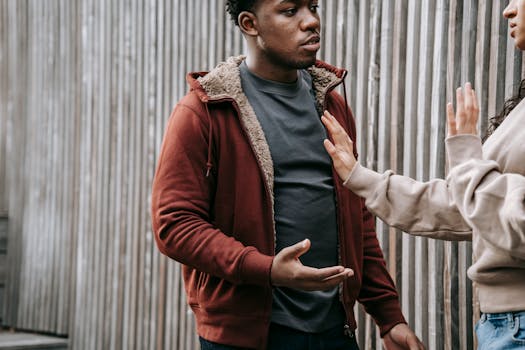
Mastering the art of effective communication is vital in our daily lives, and knowing how to hold a conversation can significantly enhance personal and professional relationships. The ability to engage in meaningful dialogue not only opens doors to new opportunities but also strengthens existing connections. In this article, we will explore the key principles and techniques for having engaging conversations that leave a lasting impact.
How to Hold a Conversation
Learning how to hold a conversation involves several essential skills, including active listening, asking open-ended questions, and being mindful of nonverbal cues. By honing these skills, anyone can feel more confident in their conversational abilities and create a more engaging experience for everyone involved.
The Art of Active Listening
Active listening is a crucial component of an engaging conversation. It requires giving full attention to the speaker and responding thoughtfully. This can be achieved by maintaining eye contact, nodding periodically, and summarizing points back to the speaker to ensure understanding. By demonstrating genuine interest, you encourage a more dynamic and meaningful exchange.
Crafting Open-Ended Questions
Open-ended questions are powerful tools in conversations, as they invite the other person to share more comprehensive responses. For instance, instead of asking, “Did you enjoy your trip?” consider asking, “What was the most memorable part of your trip?” This approach encourages the speaker to elaborate and share experiences, making the conversation more engaging.
Additionally, fostering a connection through shared interests or experiences can lead to deeper discussions. Finding common ground allows both parties to relate to one another, building rapport and understanding.
Understanding Nonverbal Communication
Nonverbal communication plays a significant role in how messages are conveyed and received. Body language, facial expressions, and tone of voice all contribute to the context and interpretation of a conversation. Being mindful of these cues can enhance your ability to communicate effectively and respond appropriately.
Practicing awareness of your own nonverbal signals can make you a more effective communicator. For example, maintaining an open posture and relaxed demeanor can make others feel more comfortable in your presence, encouraging open discourse.
Overcoming Conversational Barriers
At times, conversations can face barriers like misunderstandings or conflicting views. To overcome such obstacles, it is important to maintain patience and respect diverse perspectives. Remaining calm and open-minded can facilitate a positive atmosphere where constructive dialogue can flourish.
Empathy is another key factor in overcoming conversational barriers. By trying to understand the other person’s point of view, you create a space for empathy, reducing tension, and fostering a more collaborative environment.
Enhancing Conversations in Professional Settings
In professional interactions, conversations often dictate the success of collaborations and negotiations. Mastering these skills can enhance your ability to navigate complex discussions and build fruitful professional relationships. Developing confidence in public speaking, for example, can be instrumental in advancing one’s career. For more insights on personal development in professional settings, explore our tips on how to advance in your educational journey.
Adapting to Virtual Conversations
With the rise of remote work and online interactions, adapting conversational skills to virtual environments has become increasingly important. Engaging in video calls or digital communications requires the same attentiveness as in-person conversations. Consider the importance of clear communication, active listening, and visual engagement to maintain a strong connection, despite physical distances.
The Role of Cultural Awareness
Cultural awareness is essential for effective communication in our diverse and interconnected world. Understanding and respecting cultural differences can prevent misunderstandings and create more meaningful interactions. By incorporating cultural sensitivity into conversations, you can foster inclusivity and mutual respect.
Conclusion
Understanding how to hold a conversation is an invaluable skill that enhances both personal and professional relationships. Whether it is by practicing active listening, asking open-ended questions, or developing cultural awareness, mastering the art of conversation can lead to more enriching experiences and stronger connections. For further exploration into the importance of communication in diverse settings, consider visiting this insightful article on Education.
- Engaging conversations rely on active listening and open-ended questions.
- Body language and nonverbal cues significantly impact communication.
- Overcoming barriers requires empathy and respectful dialogue.
- Cultural awareness enriches conversational experiences.
- Adapting to virtual conversations is key in modern communication.
What is active listening?
Active listening is a conscious effort to fully concentrate, understand, and respond thoughtfully to the speaker, enhancing the quality of communication.
How do open-ended questions improve conversations?
Open-ended questions encourage more detailed responses, facilitating deeper and more engaging dialogues by allowing the interviewee to share beyond mere yes or no answers.
Why is nonverbal communication important?
Nonverbal communication, including body language and facial expressions, provides context and clarity to verbal messages, making interactions more effective.
How can cultural awareness affect conversations?
Cultural awareness prevents misunderstandings and promotes inclusivity, ensuring conversations are respectful and considerate of diverse perspectives.
What techniques can enhance virtual communication?
Clear verbal articulation, active listening, and engaging visual presence are essential techniques for effective virtual communication, bridging the gap of physical distance.

