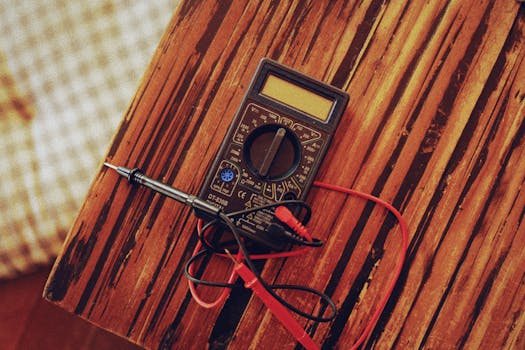
Testing wires with a multimeter is a crucial skill for anyone involved in electrical work, whether you’re an automotive technician, an electronics enthusiast, or a homeowner tackling DIY projects. Understanding how to test a wire with a multimeter can help diagnose electrical issues and ensure safety during repairs or installations.
How to Test a Wire with a Multimeter
Before diving into the specifics, it’s essential to grasp the multimeter’s functionality. A multimeter is a versatile tool used to measure voltage, current, and resistance in electrical circuits. To test a wire, you will primarily use the multimeter’s voltage and continuity settings. Here’s a step-by-step guide:
Step 1: Gather Your Tools
To accurately test wires, you will need a digital or analog multimeter and possibly some additional tools like wire cutters or strippers. Ensure your multimeter is functioning correctly and has fresh batteries.
Step 2: Set the Multimeter
First, set your multimeter to the proper testing mode. For voltage measurement, select either AC or DC based on the wire being tested. For continuity tests, set your multimeter to the continuity setting, often indicated by a diode symbol or a sound wave.
Step 3: Testing for Voltage
To check for voltage, connect the multimeter probes to the wire terminals. The black probe attaches to the common terminal and the red probe to the terminal marked for voltage. If testing for DC, ensure the probes align with the wire’s polarity. This reading will help you understand if electricity is flowing correctly.
Step 4: Continuity Testing
Continuity testing helps determine whether a wire is broken or intact. With the wire disconnected from any power source, touch the multimeter probes to the ends of the wire. A continuous beep or a low-resistance reading indicates that the wire is unbroken.
Common Applications
Testing wires is a fundamental task in several sectors. For instance, automotive technicians frequently employ multimeters to troubleshoot wiring issues in vehicles. Learn more about the necessary skills and responsibilities for automotive service technicians in our detailed guide.
Additional Tips for Accurate Measurements
Always ensure that your multimeter is set to the correct mode before testing. Double-check connections and probe placement, as incorrect settings can lead to inaccurate readings or damage to your equipment. If you’re uncertain about your skills, consider taking a basic electronics course to build confidence in handling electrical components.
Safety Precautions When Using a Multimeter
Practice safety by wearing appropriate protective gear, such as gloves and goggles. Ensure that you are working in a dry environment to avoid any electrical hazards. Always disconnect power from the circuit before performing any continuity tests to prevent shorts or damage to both the device and wires.
Understanding Multimeter Readings
Comprehending what the multimeter displays is crucial for diagnosing electrical issues. A high voltage reading might suggest overloaded circuits, while a low reading could indicate a fault or connection problem. Practicing regular checks will enhance your knowledge and precision in identifying electrical problems efficiently.
Troubleshooting Common Problems
If the multimeter reading is unexpected, double-check your connections and the multimeter setting. Ensure the probes are secured and re-test. Inconsistencies might be due to faulty equipment or improper testing methods. Consult the multimeter manual for troubleshooting tips specific to your model.
Why Testing Wires with a Multimeter is Essential
Learning how to test a wire with a multimeter not only enhances your troubleshooting skills but also improves safety and efficiency in any project. Whether you’re a hobbyist, a professional technician, or just someone who loves DIY, mastering this skill ensures your projects run smoothly and safely.
- A multimeter is essential for checking voltage, current, and continuity.
- Testing wires ensures functional and safe electrical circuits.
- Always set the multimeter correctly to avoid equipment damage.
- Practicing safety precautions helps prevent accidents and injuries.
- Regular testing enhances troubleshooting capabilities.
FAQ
How do I know if my multimeter is working correctly?
Ensure the multimeter powers on and tests a known voltage source accurately, such as a household battery. Check the screen for clear readings and the display for signs of malfunction.
What does a continuity test indicate?
A continuity test checks if a circuit is complete and unbroken. A continuous beep from the multimeter shows the wire is intact.
Can I use a multimeter to test household wiring?
Yes, a multimeter can test household wiring for voltage and continuity. However, ensure safety by turning off the power at the circuit breaker before testing.
What safety precautions should I take when using a multimeter?
Wear protective gear and work in a dry space. Always disconnect power before testing and double-check multimeter settings to prevent incorrect readings.
Where can I learn more about multimeter troubleshooting?
Numerous online resources and courses are available. For a general overview, you may refer to the Wikipedia page on multimeters to expand your knowledge base.