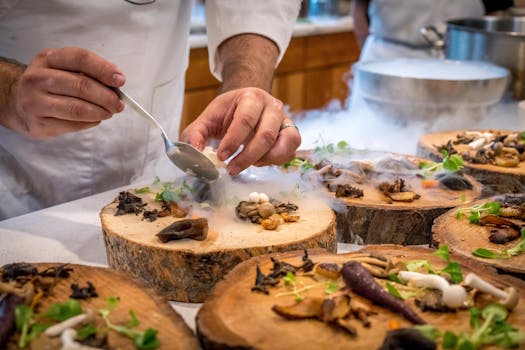
Embarking on a journey to become a culinary artist opens doors to a world of creativity and innovation in the kitchen. A culinary artist is someone who crafts not only delicious meals but transforms them into visual masterpieces. The career path of a culinary artist blends art, science, and passion to create unforgettable dining experiences. Whether you’re dreaming of opening your own restaurant or bringing new culinary designs to renowned establishments, understanding the essence of culinary art is crucial.
The Role of a Culinary Artist
A culinary artist is much more than a chef; they are innovators who consistently push the boundaries of traditional cooking. Their role involves experimenting with flavors, textures, and presentations to develop unique dishes that captivate the senses. Mastering these skills requires dedication, creativity, and a willingness to learn and adapt to the ever-evolving culinary landscape.
Pursuing a career as a culinary artist means immersing oneself in the art and science of food. This industry values creativity and encourages chefs to experiment and innovate. As a culinary artist, you will have the opportunity to showcase your skills and express your artistic vision through the medium of cuisine.
Skills and Education Required
Becoming a successful culinary artist involves cultivating a combination of technical skills and artistic flair. Formal culinary education provides aspiring artists with the necessary foundation for understanding flavor profiles, cooking techniques, and kitchen management. Many culinary schools offer specialized programs that focus on artful presentation and innovative cooking methods. For those interested in funding their education, scholarships for art students can be a valuable resource.
In addition to formal education, developing skills in areas such as knife techniques, flavor development, and plating design is essential. A professional culinary artist must also possess strong time management abilities and the capacity to work under pressure, as many culinary environments can be fast-paced and demanding.
Creative Pathways in the Culinary World
The culinary world offers a plethora of pathways for those eager to leave their mark as a culinary artist. Opportunities range from working in high-end restaurants to participating in food festivals, where experimentation and innovation are encouraged. Some culinary artists choose to focus on niche markets, such as plant-based or molecular gastronomy, while others may pursue careers as culinary educators, sharing their passion and knowledge with future generations.
Culinary artists also find rewarding opportunities in the realm of food media. From cookbooks to cooking shows and social media platforms, these outlets allow culinary artists to reach a global audience. Through multimedia, they can share their creative processes, inspire others to explore their culinary interests, and showcase their visionary works.
Evolving Trends and Innovations
The culinary field is constantly evolving, with trends and innovations continually reshaping the industry. Culinary artists must stay informed about emerging trends to stay relevant and competitive. Sustainable and ethically sourced ingredients are becoming increasingly important in culinary arts, prompting many to explore plant-forward and environmentally conscious cooking.
In addition, advances in technology are influencing culinary techniques and presentation methods. Innovations such as 3D food printing, for example, offer endless possibilities for culinary artists to create sophisticated and intricate designs. These trends challenge culinary artists to expand their skill sets and adapt to new methodologies, which can significantly enhance their culinary creations.
For additional insights into educational advances, visit this comprehensive overview on education’s impact on culinary creativity.
Challenges and Rewards
Like any profession, the journey to becoming a culinary artist comes with its challenges. The industry often demands long hours, physical labor, and a high level of commitment. Culinary artists must maintain consistency in quality while continuously striving for innovation and creativity in their dishes.
However, the rewards of a career in culinary arts can be highly fulfilling. The satisfaction of seeing patrons enjoy and appreciate your creations is unparalleled. Additionally, the personal growth and professional recognition gained from mastering culinary skills and aesthetics contribute to a fulfilling career.
Final Thoughts on a Culinary Artist Career
In conclusion, the path to becoming a culinary artist is a blend of passion, skill, and dedication. Whether you aspire to lead a kitchen or craft culinary art that resonates with diverse audiences, the journey promises to be rewarding. As a culinary artist, you’ll not only hone your technical skills but also bring your unique creative vision to life. Embrace this exciting career and contribute to the world of gastronomy with your innovative and imaginative food artistry.
- The career of a culinary artist blends culinary skills with creativity and innovation.
- Education and experience are crucial for developing culinary artistry.
- Staying informed on trends and embracing technology enhance culinary creativity.
- Challenges exist, but the rewards of creating unforgettable dining experiences are worth the effort.
- Culinary artists have diverse career pathways in the global food industry.
What is a culinary artist?
A culinary artist is a professional who excels not only in cooking but also in the artistic presentation and innovation of food, creating dishes that are both visually appealing and delicious.
What skills are essential for a culinary artist?
Essential skills include creativity, technical culinary skills, time management, and the ability to work under pressure. Knowledge of flavor profiles and plating design is also crucial.
Are there educational programs for aspiring culinary artists?
Yes, many culinary schools offer specialized programs focusing on innovative cooking techniques and artistic presentation. Financial aid, such as scholarships, can support students in these programs.
How do trends impact culinary artists?
Trends keep the culinary field dynamic, prompting artists to stay informed and adaptable. Embracing trends like sustainable ingredients and new technologies can enhance creativity.
What are some career paths for culinary artists?
Culinary artists have various career options, including working in high-end restaurants, participating in food festivals, engaging in food media, and becoming culinary educators.