
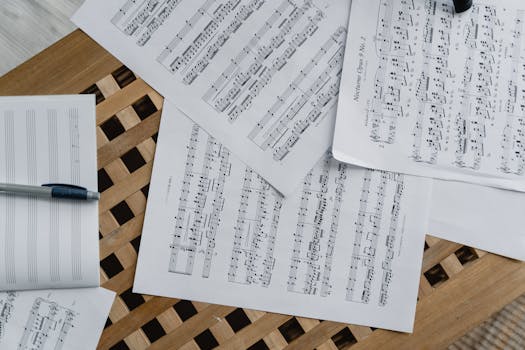
Becoming a music composer is an exhilarating journey that combines creativity, skill, and knowledge. Whether you’re driven by a passion for crafting melodies or aspire to create soundtracks for films and games, understanding how to become a music composer involves developing both technical and creative aspects. This guide will help you explore the avenues and tools necessary for embarking on a successful career in music composition.
Understanding How to Become a Music Composer
The journey to becoming a music composer typically involves formal education, practical experience, and a strong personal commitment to mastering your craft. Here, we’ll delve into some of the key steps and considerations to set you on the right path.
Formal Education and Training
While not mandatory, acquiring a formal education in music can provide a solid foundation. Degrees in music composition, theory, or related fields can significantly enhance your understanding and skills. Many prestigious institutions offer specialized programs focusing on different aspects of music composition, including orchestration, sound design, and music technology.
Moreover, for aspiring composers, exploring scholarship opportunities for art students can ease the financial burden associated with formal education, making it accessible to a wider range of students.
The Role of Practical Experience
Practical experience is invaluable in music composition. Engaging in diverse projects can expose you to various genres and styles, helping you find your unique voice. Collaborate with filmmakers, gaming developers, or indie artists to gain experience and build your portfolio. This hands-on approach is crucial in understanding audience needs and refining your composition skills.
Developing Technical Skills
Proficiency in music software is essential. Programs like Ableton Live, Logic Pro X, or Finale can aid in creating and refining compositions. Online courses and tutorials are excellent resources for learning these tools. Additionally, learning to play multiple musical instruments can enrich your compositions by providing insights into different tonalities and arrangements.
The Creative Process
The creative process in music composition is deeply personal and varies widely among composers. Some start with a melody, while others may focus on rhythms or harmonic progressions. Experimentation and improvisation play critical roles in discovering what resonates. Maintaining a notebook or digital file for ideas can help keep track of fleeting inspirations.
Networking and Building a Reputation
Building relationships within the industry is crucial. Attending music festivals, workshops, and joining professional organizations can open doors to mentorships and collaborations. Networking with other composers and industry professionals can also lead to career-defining opportunities.
Additionally, promoting your work through online platforms and social media can enhance your visibility and reputation. Consider creating a professional website or blog to showcase your compositions and share insights into your creative process.
Leveraging Resources and Continuing Education
The field of music composition is constantly evolving. Keeping abreast of industry trends and new technologies is vital. Engaging in continuous learning through workshops or masterclasses can keep your skills relevant and competitive.
For a deeper understanding of educational frameworks within music and other disciplines, visit resources like Wikipedia’s extensive education page, which provides a comprehensive overview of educational philosophies and practices globally.
The Path Forward
Ultimately, how to become a music composer involves a multifaceted approach combining education, practical experience, and a passion for music. As you navigate this path, remember that persistence and dedication are key components of success. The world of music composition is diverse and full of opportunities for those who dare to pursue their creative aspirations.
- Formal education provides a strong foundation but is not always necessary.
- Practical experience is invaluable; collaborate to build a diverse portfolio.
- Technical skills in software and instruments enrich your compositions.
- Network actively to build relationships and enhance career opportunities.
- Continuing education keeps you current with industry trends and skills.
FAQ
What is the best degree for aspiring music composers?
Degrees in music composition, music theory, or music technology are beneficial for aspiring composers, offering in-depth knowledge of musical structures and production techniques.
Do I need to be proficient in playing multiple instruments?
While not necessary, being able to play multiple instruments can greatly enhance your compositions by providing a more comprehensive understanding of musical arrangements and diverse tonalities.
How important is networking in the music composition industry?
Networking is essential as it helps build relationships with industry professionals, opens doors to collaborations, and provides opportunities to showcase your work and talent.
What are some effective ways to promote my music online?
Utilizing social media, creating a professional website, and engaging with online musical communities can effectively increase visibility and promote your compositions to a broader audience.
Can I succeed as a composer without formal education?
Yes, success as a composer can be achieved without formal education. However, dedication to self-learning, practical experience, and leveraging industry resources can significantly enhance your skills and opportunities.

