
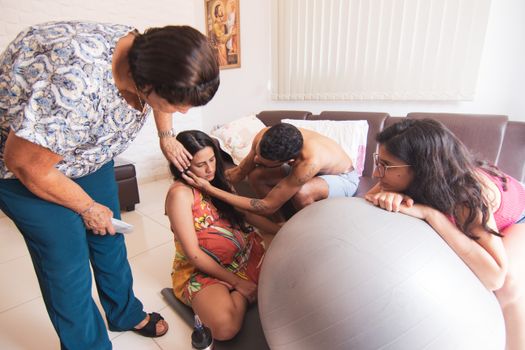
Are you passionate about supporting families during one of the most transformative times in their lives? If so, becoming a doula might be the perfect career for you. Many people search to understand how to become a doula, aiming to provide physical, emotional, and informational support to mothers before, during, and after childbirth. This article will guide you through the steps, skills, and opportunities available in this fulfilling career path.
How to Become a Doula
To begin a career as a doula, it’s important to understand the educational requirements, the certification process, and the roles and responsibilities you’ll undertake. Doulas are non-medical professionals who offer continuous support to the birthing mother and family, enhancing their birthing experience. While becoming a doula doesn’t require a formal degree, certification is highly recommended.
Educational Path and Certification
The journey typically begins with research and training. Aspiring doulas can take advantage of various programs offered by recognized organizations, such as DONA International and CAPPA (Childbirth and Postpartum Professional Association). These programs provide valuable knowledge about the birth process, postpartum care, and effective emotional communication techniques.
Certification is a crucial step in establishing credibility. It involves completing a training program, attending a certain number of births, and undergoing an evaluation process. Many organizations have flexible training options, including in-person workshops or online courses. For those interested in additional credentials, you might explore free online CDA certification programs that complement your skills.
Necessary Skills and Attributes
Successful doulas possess a range of skills and personal attributes, including empathy, strong communication abilities, and the capacity for physical stamina and emotional resilience. Understanding cultural sensitivity and being able to respect family dynamics are essential. Continuous learning about childbirth techniques, breastfeeding support, and newborn care will also enhance your practice.
Career Opportunities and Specializations
Once certified, doulas have the opportunity to work in various settings, including hospitals, birthing centers, and private homes. They can choose to specialize in different areas, such as prenatal, birth, postpartum support, or all three. Some doulas focus on supporting families through grieving and loss or work with specific populations, such as teenage mothers or families with special needs.
The career offers flexibility in terms of scheduling and clientele. You might decide to join a doula agency, collaborate with healthcare providers, or operate independently. Building a network within the community and gaining referrals are key aspects of developing a successful practice.
Challenges and Rewards
The doula profession, while rewarding, presents unique challenges. The emotional demands of supporting birthing families can be significant, requiring self-care and a strong support system of fellow doulas. There is often a need to be on call, creating potential disruptions in personal life. Despite these challenges, many doulas find the role profoundly fulfilling, offering the chance to contribute positively to family experiences during childbirth.
Continuing Education and Growth
Continuous professional growth is vital. Many doulas seek additional training on topics like lactation consultation, infant sleep patterns, and postpartum mental health. Attending conferences and workshops can provide opportunities to expand your knowledge and stay informed about the latest developments in maternity care. For more detailed information about educational opportunities worldwide, you can refer to this comprehensive resource.
In conclusion, pursuing a career as a doula can be deeply enriching for those interested in maternal and family health. Whether through traditional or alternative pathways, the profession allows you to impact lives profoundly. Understanding how to become a doula is only the beginning; it’s about a commitment to supporting families during one of their most significant life events.
- Pursuing a career as a doula involves comprehensive training and certification.
- Essential skills include empathy, communication, and cultural sensitivity.
- Doulas can specialize based on interests, such as postpartum or grief support.
- The profession offers flexibility but also demands emotional resilience.
- Continuous education is crucial for personal and professional growth.
What does a doula do?
A doula provides physical, emotional, and informational support to families before, during, and after childbirth. They are not medical professionals but work alongside healthcare teams to enhance the birthing experience.
Do I need formal education to become a doula?
No specific degree is required, but completing a doula certification program is essential. It provides the necessary training and recognition in the field.
How does certification benefit a doula’s career?
Certification establishes credibility and increases employment opportunities. It demonstrates a commitment to the profession and ensures adherence to industry standards.
Can doulas work independently?
Yes, many doulas choose to operate independently, offering services directly to clients. They may also join agencies or collaborate with hospitals and birthing centers.
Is continuing education important for doulas?
Yes, continuing education helps doulas stay informed about new developments in maternity care and enhances their ability to support families effectively.

