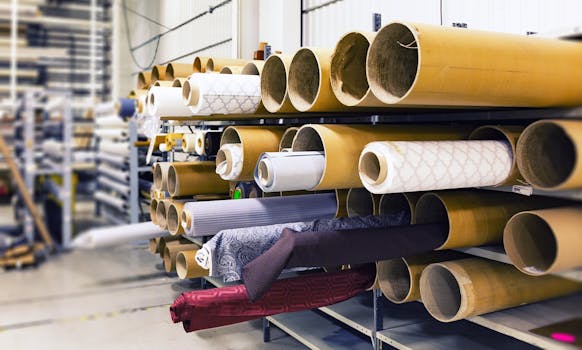
Understanding what occurs in contract manufacturing is crucial for anyone considering a career in this dynamic field. Contract manufacturing involves hiring external companies to produce goods on behalf of another company. This model allows businesses to leverage the skills and facilities of specialized manufacturers, often resulting in cost savings and enhanced efficiency. An effective strategy in the global supply chain, contract manufacturing is prevalent in industries ranging from electronics to pharmaceuticals.
What Occurs in Contract Manufacturing?
In contract manufacturing, a company (the client) contracts with another company (the manufacturer) to produce a defined quantity of a product. The manufacturer is responsible for sourcing raw materials, managing production processes, ensuring quality control, and sometimes even shipping the final product to the market. This arrangement enables companies to focus on core functions like marketing, sales, and product development while outsourcing complex manufacturing operations.
The Steps of Contract Manufacturing
Contract manufacturing begins with vetting and selecting a suitable manufacturer. The client evaluates potential partners based on their expertise, capacity, location, and compliance with standards. After selecting a partner, the client and the manufacturer negotiate terms, including production schedules, pricing, and quality requirements.
Once a contract is signed, the manufacturer procures raw materials and commences production. Throughout this phase, they maintain strict quality assurance processes to meet the client’s specifications. Upon completion, the products undergo final inspections before being shipped to the client’s distribution centers or customers directly.
Benefits of Contract Manufacturing
One significant advantage of contract manufacturing is cost efficiency. By utilizing the established infrastructure and expertise of a manufacturer, companies can reduce capital expenditure on machinery and facilities. Additionally, it provides flexibility and scalability, allowing businesses to respond swiftly to changes in demand without the burden of operational constraints.
Contract manufacturing also fosters innovation by freeing up resources that companies can reallocate to research and development. This partner-centric approach can lead to increased competitiveness and market share.
Challenges and Considerations
Despite its advantages, contract manufacturing poses several challenges. Companies need to carefully manage and mitigate risks such as intellectual property theft, dependency on third-party suppliers, and maintaining quality standards. Building a strong, transparent relationship with manufacturing partners can alleviate some of these concerns.
Effective communication and clear contractual agreements are vital. Both parties should establish coherent policies regarding information sharing, production timelines, and quality metrics. Regular audits and performance reviews can help maintain accountability and adapt to evolving business needs.
Career Opportunities and Skills in Contract Manufacturing
The field of contract manufacturing offers diverse career opportunities. Roles include project managers, quality assurance specialists, procurement officers, and logistics coordinators. Each position requires a specific set of skills, such as negotiation, problem-solving, and an understanding of regulatory compliance.
Pursuing a career in contract manufacturing can be particularly appealing for individuals interested in supply chain management and operations. As industries continue to expand globally, expertise in contract manufacturing is increasingly sought after.
For those interested in exploring broader career transitions, discovering new career paths can offer additional insights and opportunities.
Industries That Rely on Contract Manufacturing
Contract manufacturing is widely utilized across various sectors. The electronics industry often relies on contract manufacturers for components or complete device assembly. Similarly, the pharmaceutical sector partners with specialized firms for drug formulation and production to comply with stringent regulatory standards.
The automotive and aerospace industries also benefit from contract manufacturing by outsourcing complex parts and achieving cost-efficient production of high-volume components. This strategy allows companies to focus on innovation and speed time-to-market.
Regulatory and Ethical Considerations
Ensuring compliance with local and international regulations is essential in contract manufacturing. Companies must adhere to environmental standards, labor laws, and industry-specific guidelines. Regular audits and certifications may be required to maintain compliance.
Additionally, ethical sourcing of materials and fair labor practices are increasingly important to consumers and stakeholders, requiring companies to select partners who align with these values.
The Future of Contract Manufacturing
The contract manufacturing landscape is evolving due to technological advancements, globalization, and shifting consumer preferences. Technologies such as automation, AI, and the Internet of Things (IoT) are transforming production processes, enabling more efficient operations and real-time tracking of goods.
As businesses adapt to these changes, the demand for skilled professionals in contract manufacturing is expected to grow. Exploring educational opportunities and staying informed about industry trends will be crucial for those seeking to advance their careers.
Understanding what occurs in contract manufacturing offers valuable insights into its role in modern supply chains. By navigating its complexities, professionals can effectively contribute to the success of their organizations and advance in their careers.
- Contract manufacturing allows businesses to outsource production, focusing on core functions.
- It offers cost savings, flexibility, and the opportunity to innovate.
- Challenges include maintaining quality standards and managing risks.
- Career opportunities are varied, with roles in project management, quality assurance, and logistics.
- Technological advancements are reshaping the future of contract manufacturing.
What is contract manufacturing?
Contract manufacturing is a process where a company partners with an external manufacturer to produce its products. This enables the company to leverage external expertise and facilities without investing in manufacturing infrastructure.
Why do companies use contract manufacturing?
Companies use contract manufacturing to reduce costs, focus on core business areas, and improve scalability. It allows for quick response to market changes and access to specialized manufacturing capabilities.
What are the risks associated with contract manufacturing?
Risks include intellectual property theft, quality control issues, and reliance on third-party suppliers. Companies need to manage these risks through strong contracts, regular audits, and close collaboration with manufacturers.
What industries benefit most from contract manufacturing?
Industries such as electronics, pharmaceuticals, automotive, and aerospace benefit significantly from contract manufacturing due to the complex and specialized nature of their production processes.
How is technology influencing contract manufacturing?
Technology is greatly influencing contract manufacturing by enhancing production efficiency, enabling real-time monitoring, and streamlining supply chain operations through automation and the use of Internet of Things (IoT) devices.