
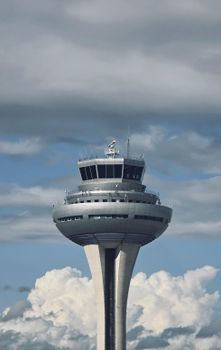
Embarking on a career path that can significantly impact public safety and aviation efficiency might seem daunting. However, if you’re drawn to high-stakes decision-making and coordinated management, you may be interested in understanding the essential steps in the role of an air traffic controller. Let’s delve into “air traffic controller how to” learn about the essential prerequisites, qualification processes, and the rewarding opportunities in this field. This comprehensive guide will aid in navigating your journey through this challenging yet fulfilling career.
Understanding the Role: Air Traffic Controller How To Get Started
Air traffic controllers are pivotal in securing smooth and safe aircraft navigation. They manage the flow of aircraft in and out of airports, in the skies, and across jurisdictional boundaries. Controllers communicate essential information to pilots, coordinate airport activities, and ensure safety measures are in place at all times.
Educational Pathways
The first step in this career is obtaining the right educational background. While requirements can vary depending on your location, commonly, a bachelor’s degree in aviation, aeronautical engineering, or air traffic management is needed. Some regions allow candidates with an associate degree or military experience to apply.
For those interested in alternative educational starting points, programs such as specialized transition programs may provide useful insights and skills applicable to a future in air traffic management.
Certification and Training Programs
Aside from academic qualifications, aspiring controllers must complete specific training. This training is acquired through the Federal Aviation Administration (FAA) in the United States or through equivalent bodies in other countries. Programs often include rigorous coursework, simulations, and on-the-job training that covers air navigation, regulations, and emergency management.
Necessary Skills and Competencies
It isn’t just technical knowledge that will help you excel. Communication effectiveness, problem-solving, quick decision-making under pressure, and teamwork are vital skills for success as an air traffic controller. Developing these soft skills will enhance your ability to manage diverse and complex situations.
Career Opportunities and Advancement
Once you’ve mastered how to start your career as an air traffic controller, several opportunities for advancement and specialization await. Options may include moving into leadership roles, specializing in specific traffic management segments, or transitioning into aviation safety and regulation roles.
The Application Process
To apply for a position, you will need to pass an intensive evaluation process that typically includes aptitude tests, assessments of your technical proficiency, and medical fitness screenings. Only those who meet stringent criteria proceed to training phases.
The Work Environment
Air traffic controllers often work in airport towers or area control centers with continuous, nonstop operations. The environment can be fast-paced and requires constant vigilance and effective multitasking capabilities.
Challenges and Rewards of Being an Air Traffic Controller
While the role comes with its own set of challenges, such as long hours and high-stress situations, it is equally rewarding. Ensuring the safety of travel and the satisfaction of guiding complex airspace operations provides a sense of fulfillment unmatched in many other careers.
In understanding “air traffic controller how to” pursue this career from start to finish, aspiring controllers will be better equipped to embark on this journey. Balancing personal and professional aspirations with the commitment to public safety is the hallmark of a successful air traffic controller.
- Begin with a bachelor’s degree in aviation or a related field.
- Complete required certification and training programs.
- Develop essential soft skills like communication and decision-making.
- Understand the rigorous application and evaluation process.
- Explore diverse career paths and advancement opportunities.
What educational qualifications are necessary to become an air traffic controller?
Typically, a bachelor’s degree in aviation or air traffic management is required, though variations exist depending on jurisdiction and experience.
Are there specific skill sets needed for this career path?
Yes, effective communication, problem-solving, decision-making under pressure, and teamwork are all critical skills for air traffic controllers.
How challenging is the application process for becoming an air traffic controller?
The process is competitive and multifaceted, including aptitude tests, interviews, and medical assessments, ensuring only the most capable candidates progress.
What are potential career growth opportunities for air traffic controllers?
Controllers can advance into leadership, specialize in different flight operations, or transition into roles in aviation safety and oversight.
How does the work environment affect the daily life of an air traffic controller?
The work environment is fast-paced and demanding, requiring constant alertness and adaptability, often operating in high-pressure conditions.

