
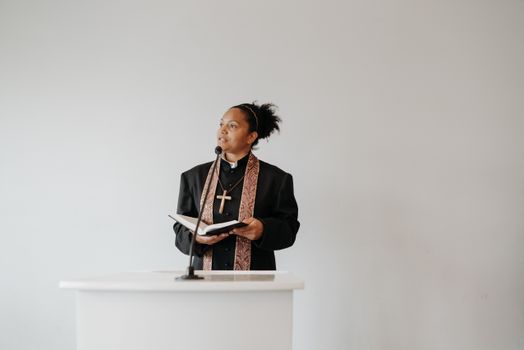
Deciding on a spiritual path and learning how to become a pastor can be a rewarding journey, both personally and professionally. Whether you’re feeling a spiritual calling or exploring a new career, becoming a pastor requires dedication, education, and a strong sense of purpose. This article will guide you through the steps involved in this meaningful pursuit.
Steps to How to Become a Pastor
The path to becoming a pastor can differ depending on denominational traditions and organizational requirements. However, there are common steps many aspiring pastors follow:
1. Discernment and Calling
Understanding your calling is a vital step in how to become a preacher or pastor. It’s important to spend time in prayer, meditation, and conversation with trusted mentors to evaluate your spiritual calling. This process often includes deep introspection and may involve formal discernment processes within certain denominations.
2. Educational Requirements
Most denominations require formal education, typically a bachelor’s degree in theology, divinity, or religious studies. Further studies often include a Master’s or Doctorate of Divinity, depending on the role you seek to fill. Online and in-person seminary programs are available, offering a variety of options for prospective pastors.
3. Gaining Practical Experience
Alongside formal education, practical experience is invaluable. Many aspiring pastors begin by volunteering or undertaking internships at local churches to gain hands-on experience. These roles can provide insights into pastoral duties such as sermon delivery, counseling, and community leadership.
4. Ordination Process
Being ordained is a formal step required in many churches. The process varies but generally includes completing educational prerequisites, passing denominational examinations, and being recognized by a council or board of ordination. Some churches may also require an examination of your personal faith and doctrinal beliefs.
5. Find a Pastoral Position
Once ordained, the next step is to find a pastoral position. This may involve applying to vacancies within your denomination or network. Building a strong resume and networking within religious communities can help you secure a position.
Considerations in Becoming a Preacher
The journey to becoming a preacher is closely related to that of becoming a pastor. Both require a deep commitment to spiritual guidance and community service. However, preaching also involves crafting and delivering effective sermons and may not necessarily require formal ordination, depending on the denomination.
1. Developing Preaching Skills
Effective preaching is an art. It involves understanding your audience, knowing how to tell engaging stories, and the ability to convey complex theological concepts with clarity. Joining preaching workshops or finding a mentor can improve these skills significantly.
2. Continuous Learning
Theological education doesn’t end with formal degrees. Continuing education through workshops, online courses, and theological retreats can help you stay refreshed and informed. These opportunities can provide fresh perspectives and innovative ideas for your sermon preparation and pastoral care.
Additional Role Considerations
Understanding the broader role of a pastor can enhance your success. This includes managing church operations, such as administrative duties, budgeting, and community outreach programs. Leadership in these areas is crucial for effective ministry.
Furthermore, staying informed on diverse theological viewpoints can enrich both personal faith and professional practice. For instance, exploring diverse histories and beliefs, such as reincarnation in Gnostic texts and early Christianity, can offer new insights.
Challenges and Rewards
Becoming a pastor isn’t without challenges. The role demands emotional resilience, time management, and the ability to handle varying expectations from congregants. However, the personal and community rewards can be immense, providing profound fulfillment and the opportunity to positively impact lives.
For more detailed information on the role of education in becoming a pastor, consider visiting credible resources such as this thorough overview on education.
Final Thoughts on How to Become a Pastor
Embarking on the journey of how to become a pastor or preacher is a path of lifelong learning and personal growth. As you move forward, remember that spiritual leadership offers rich rewards in guiding and nurturing faith communities. By combining formal education, practical experience, and personal reflection, you can prepare yourself for this meaningful vocation.
- Understand and embrace your calling through discernment.
- Pursue the necessary educational credentials.
- Gain practical experience by engaging in church activities.
- Complete the ordination process if required by your denomination.
- Seek continuous learning to enhance your pastoral role.
FAQ
What qualifications do I need to become a pastor?
Typically, a bachelor’s degree in theology or divinity is required, followed by potential further study in seminary for a Master’s or Doctorate of Divinity.
Is ordination necessary to be a pastor?
Ordination is often necessary and is dependent on the denomination. It involves meeting educational requirements and being formally recognized by a church body.
Can pastors work outside the church setting?
Yes, many pastors engage in community outreach, serve in educational institutions, or work in counseling roles.
How can I improve my preaching skills?
Joining workshops, finding a mentor, and practicing regularly can help develop effective preaching skills.
Is becoming a pastor financially rewarding?
Salaries vary widely depending on the church’s size and location. While financial gain isn’t usually the primary motivation, pastors find strong personal rewards in their work.

