
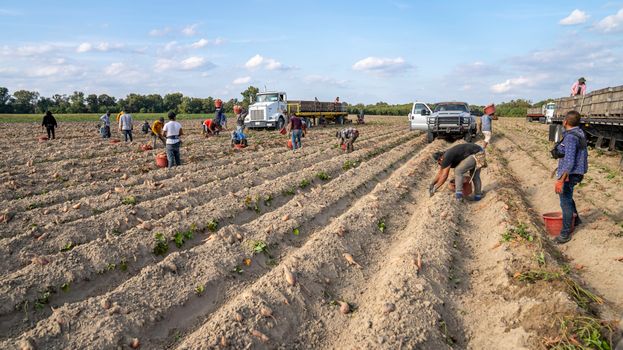
Agriculture has always been the backbone of human civilization, but its transformation in recent years owes much to the integration of innovative engineering practices. The concept of an engineer in agriculture is no longer limited to basic mechanization. Today, agricultural engineers are pivotal in developing sustainable solutions aimed at addressing global food security, environmental challenges, and technological advancements in farming. This article explores how these professionals are blazing a trail towards a more sustainable agricultural future.
The Integral Role of an Engineer in Agriculture
Agricultural engineers play a critical role in evolving farming practices by applying principles of engineering, biology, and technology. Their work spans designing cutting-edge farm equipment, enhancing water resource management, and developing methods for energy-efficient production. These professionals innovate solutions that increase crop yield while minimizing environmental impact, helping farmers adapt to challenges such as climate change and resource scarcity.
Innovations in Farm Equipment and Technology
Modern agriculture heavily relies on precision engineering. Engineers are at the forefront in developing advanced machinery that increases efficiency and accuracy in planting, harvesting, and pest control. Technologies like GPS mapping, drones, and automated systems allow for real-time monitoring and management of agricultural practices, resulting in optimized resource use. With the use of sensors and IoT devices, engineers help in creating sustainable farm management systems.
To delve deeper into integrating design with practical solutions, explore relevant online industrial design courses that provide foundations for innovative problem-solving in agriculture.
Environmental Sustainability in Agriculture
Agricultural engineers are increasingly focusing on sustainability to protect natural resources while maintaining productivity. This includes developing methods for efficient water use, such as irrigation systems that conserve water without compromising crop yields. By utilizing sustainable energy sources and developing waste management solutions, engineers contribute to reducing the carbon footprint of agriculture.
Technological advancements also allow for more precise use of fertilizers and pesticides, preventing excess application and reducing soil and water contamination. These practices not only boost production but also ensure the natural environment is preserved for future generations.
Energy Management and Renewable Resources
The push towards renewable energy is another area where agricultural engineers significantly contribute. By designing systems that harness solar, wind, and bioenergy, engineers reduce dependency on fossil fuels and promote energy resilience in agricultural communities. Energy-efficient technologies not only cut costs for farmers but also contribute to a cleaner environment, aligning with global sustainability goals.
For more insights on the educational frameworks supporting these advances, refer to this comprehensive overview of education in agricultural engineering.
Challenges and Future Directions
Despite these advancements, agricultural engineers face continuous challenges, including maintaining biodiversity and combating the effects of climate change. Future innovations may involve genetic engineering, integrating AI with farming practices, and further development of resilient crop species. These efforts will be crucial as global populations increase and climate unpredictability rises.
Moreover, the global collaboration among engineers, scientists, and policymakers is vital for developing standardized practices and technologies that benefit diverse ecosystems around the world.
Conclusion
The role of an engineer in agriculture is essential in steering modern farming towards sustainable and efficient practices. As the demands on agriculture continue to grow, these professionals will play a crucial part in ensuring food security, environmental health, and technological advancement.
- Agricultural engineers merge technology with farming to increase efficiency and sustainability.
- Innovations include precision equipment, renewable energy, and sustainable water management.
- The future of agriculture relies on continued advancements to meet global challenges.
What is an engineer in agriculture?
An engineer in agriculture applies engineering principles to solve problems in farming, focusing on developing technologies to increase productivity and sustainability.
How does technology assist agricultural engineers?
Technological innovations like GPS, drones, and IoT devices allow agricultural engineers to optimize farming practices through precise monitoring and resource management.
What role do agricultural engineers play in sustainability?
These engineers design solutions that conserve resources, utilize renewable energy, and reduce agricultural impact on the environment, contributing significantly to sustainable farming.
Are there educational pathways for becoming an agricultural engineer?
Yes, numerous universities offer specialized programs in agricultural engineering, focusing on integrating engineering principles with agricultural sciences.
How do agricultural engineers face climate change challenges?
They develop resilient crop species, innovate water and waste management systems, and work on renewable energy solutions to mitigate the effects of climate change on farming.

