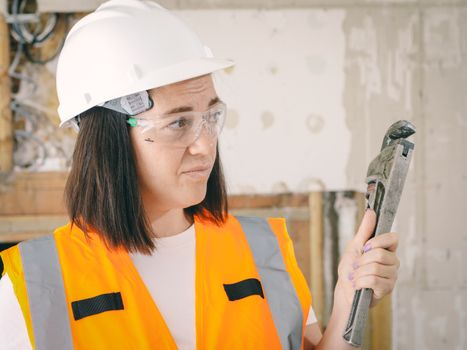
You may be good at fixing things, comfortable working with your hands, and interested in a career that does not require a four-year degree. But when you search for plumber trade schools, the choices can be confusing. Should you complete a certificate, earn a diploma, attend community college, or apply directly for an apprenticeship?
The best route depends on local licensing rules, your budget, and whether you are ready to begin working immediately. Trade school can provide useful technical preparation, but it is usually one part of becoming a plumber rather than a replacement for supervised, on-the-job training.
What do plumber trade schools teach?
Plumber trade schools teach the classroom knowledge and introductory skills needed to work with piping, fixtures, drainage systems, and water-delivery systems. Programs may be offered by community colleges, technical colleges, adult education centers, or private career schools.
A typical curriculum may cover:
- Plumbing tools, materials, and fittings
- Water supply and drainage systems
- Blueprint and construction drawing interpretation
- Basic math, measurements, and calculations
- Local plumbing codes and workplace safety
- Pipe cutting, joining, soldering, and installation
- Fixture installation and repair
- Troubleshooting leaks, blockages, and pressure problems
- Basic business and customer-service skills
Some schools include hands-on lab work that allows students to practice assembling pipe systems in a controlled setting. Others focus more heavily on theory and expect students to gain practical experience after graduation. Before enrolling, ask how many hours are spent in a lab and what equipment students actually use.
If you are unfamiliar with career-focused education, learning more about the definition and purpose of trade school can help you understand how these programs differ from traditional college degrees.
How long does plumbing school take?
Program length varies. Short introductory courses may last a few weeks or months, while certificate and diploma programs commonly require several months to about two years. An associate degree generally takes longer because it may include general education courses in addition to trade instruction.
Finishing school does not necessarily mean you can immediately work as an independent plumber. Most plumbers develop their full range of skills through an apprenticeship lasting several years. Apprenticeships combine paid work under experienced professionals with technical instruction. Depending on the state or locality, you may also need a specific amount of documented work experience and a passing examination before receiving a journey-level or contractor license.
Trade school versus an apprenticeship
Trade school and apprenticeship are not competing options in every case. They often work together.
Trade school
A school program can help you learn terminology, safety procedures, code basics, and tool use before entering a busy jobsite. This may make you a stronger apprenticeship or entry-level job candidate. School can also be useful if you have little construction experience or want structured instruction before committing to the occupation.
Apprenticeship
An apprenticeship places greater emphasis on paid, supervised work. Apprentices usually begin with basic responsibilities and receive higher pay as their abilities grow. Admission can be competitive, and applicants may need a high school diploma or equivalent, a valid driver’s license, reliable transportation, an aptitude test, or an interview.
The U.S. Bureau of Labor Statistics reports that most plumbers, pipefitters, and steamfitters learn through an apprenticeship, although some attend vocational-technical school first. Its career profile for plumbers, pipefitters, and steamfitters also notes that licensing requirements vary by state and locality.
How much do plumber trade schools cost?
There is no single standard price. Tuition depends on the type of school, program length, residency status, location, and whether the institution is public or private. The advertised tuition may also exclude important expenses.
When comparing programs, request a complete written estimate that includes:
- Tuition and registration fees
- Books and online learning materials
- Tools and required equipment
- Work boots and protective clothing
- Lab, technology, and examination fees
- Transportation and parking
- Licensing or certification expenses
- Living costs if you reduce your work hours
Compare net price rather than tuition alone. Grants, scholarships, employer assistance, veterans’ benefits, and workforce-development funding may lower what you pay. Federal student aid may be available only if the school and program meet eligibility requirements, so confirm eligibility before signing an enrollment agreement or borrowing money.
Also ask whether credits can transfer. A low-cost program may become expensive if you later discover that another school, employer, or licensing agency does not recognize the training.
What should you check before enrolling?
A polished website or modern workshop does not guarantee that a program will help you enter the trade. Speak with admissions staff, instructors, recent graduates, employers, and your state or local licensing authority.
Useful questions include:
- Does the curriculum match local plumbing codes and licensing requirements?
- How much supervised hands-on training is included?
- Do instructors have current industry experience?
- Does the school help students find apprenticeships or entry-level jobs?
- Which employers regularly recruit graduates?
- What percentage of students complete the program?
- What is the total cost after tools, fees, and supplies?
- Can graduates provide independent feedback about their experience?
- What is the cancellation and refund policy?
Be cautious if a school promises guaranteed employment, immediate licensing, or unusually high starting pay. Wages vary by experience, location, industry, union status, and work schedule. New workers and apprentices generally earn less than fully trained plumbers.
Is plumbing a good fit for you?
Plumbing can offer a practical career path, but the work is not easy. Plumbers may lift heavy materials, climb ladders, kneel for extended periods, enter tight spaces, and work in hot, cold, wet, or dirty conditions. Emergency calls can involve evenings, weekends, and unpredictable schedules.
The career may fit you if you enjoy diagnosing problems, following detailed safety rules, working with tools, and seeing a physical result at the end of the day. Communication also matters. Plumbers regularly explain repairs, provide estimates, coordinate with other trades, and work inside customers’ homes or businesses.
You may want to reconsider if you strongly dislike physical work, confined spaces, changing job locations, or customer interaction. A short introductory course, job shadow, helper position, or conversation with a working plumber can provide a more realistic view before you commit money to school.
How to choose your next step
Begin by checking the plumbing licensing requirements where you intend to work. Then compare local apprenticeships, community colleges, and private plumber trade schools based on total cost, hands-on instruction, employer relationships, and graduate outcomes.
Trade school may be worthwhile when it provides recognized training, realistic lab practice, and a clear pathway into an apprenticeship. However, the most expensive or longest program is not automatically the best. Choose the option that helps you gain legitimate skills and documented experience without taking on unnecessary debt.