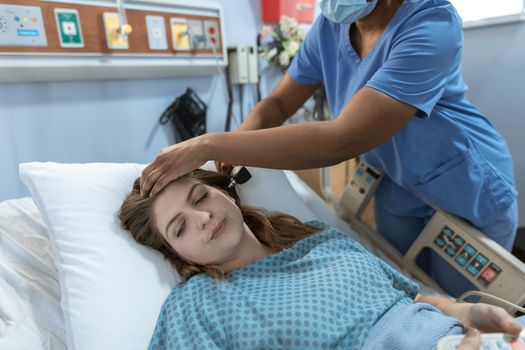
A patient’s blood pressure is higher than usual, a surgical dressing needs to be changed, and a worried family member has questions about medications. In many healthcare settings, a practical nurse is the professional who notices these needs, provides permitted care, documents what happened, and reports important changes to the supervising clinician. If you are considering this career or hiring for the role, understanding a practical nurse job description can help you see what the work actually involves.
What Is a Practical Nurse?
A practical nurse provides hands-on nursing care to people who are ill, injured, recovering, older, or living with disabilities. In most states, these professionals are called licensed practical nurses, or LPNs. California and Texas commonly use the title licensed vocational nurse, or LVN. Although the titles differ, the roles are generally similar.
LPNs and LVNs usually work under the supervision of a registered nurse, advanced practice registered nurse, physician, or another authorized healthcare professional. Their exact responsibilities depend on state nursing laws, employer policies, clinical training, and the needs of the workplace.
Common Practical Nurse Duties
A practical nurse’s day usually combines direct patient care, careful observation, communication, and recordkeeping. According to the U.S. Bureau of Labor Statistics overview of licensed practical and vocational nursing, these nurses monitor patients, provide basic care, discuss concerns, report changes, and maintain health records.
A typical practical nurse job description may include the following responsibilities:
- Measure and record temperature, blood pressure, pulse, breathing rate, weight, and other health information.
- Observe patients for changes in physical condition, behavior, comfort, or response to treatment.
- Report abnormal findings and urgent concerns to the supervising nurse or clinician.
- Assist with bathing, dressing, grooming, eating, toileting, walking, and repositioning.
- Change bandages, provide permitted wound care, and monitor skin for irritation or pressure injuries.
- Administer prescribed medications when allowed by state law and workplace policy.
- Collect blood, urine, sputum, or other specimens when trained and authorized.
- Prepare patients for examinations, procedures, or treatments.
- Track food and fluid intake and output when clinically necessary.
- Document care accurately in paper or electronic health records.
- Explain routine care instructions and reinforce education provided by registered nurses or other clinicians.
- Follow infection-control, patient-identification, medication-safety, and privacy procedures.
Some LPNs may start intravenous lines, administer certain IV therapies, perform more advanced wound care, or supervise nursing assistants. These duties are not permitted everywhere. Practical nurses must understand their legal scope of practice and ask for guidance rather than perform a task they are not authorized or prepared to complete.
What Does a Typical Workday Look Like?
A shift may begin with a report from the outgoing nursing team. The practical nurse reviews patient needs, scheduled medications, treatments, appointments, and safety concerns. Throughout the shift, the nurse provides care, checks vital signs, responds to call lights, documents interventions, and communicates with patients, families, nursing assistants, and clinicians.
The work can change quickly. For example, a practical nurse may notice that a patient is unusually confused, short of breath, feverish, or less responsive. The nurse must recognize that the condition is different, gather relevant information, and promptly notify the appropriate clinician. This combination of observation and timely communication is central to patient safety.
Where Do Practical Nurses Work?
Practical nurses work in nursing and residential care facilities, hospitals, home healthcare services, physicians’ offices, clinics, rehabilitation centers, schools, correctional facilities, and community programs. Duties vary significantly by location.
- In long-term care, an LPN may administer medications, monitor chronic conditions, perform treatments, and coordinate the work of nursing assistants.
- In a clinic, the nurse may take health histories, prepare examination rooms, collect specimens, give permitted injections, and communicate follow-up instructions.
- In home health, the nurse may monitor recovery, provide wound care, reinforce caregiver education, and report changes to the supervising nurse.
- In a hospital, the role may focus on bedside care, specimen collection, medication administration, documentation, and support for the broader nursing team.
Because healthcare is provided around the clock, some positions require evenings, nights, weekends, holidays, or shifts longer than eight hours. Home health roles may also involve regular travel between patients’ homes.
Education and Licensing Requirements
Prospective practical nurses must complete a state-approved practical or vocational nursing program. These programs are commonly offered by technical schools and community colleges and typically take about one year, although schedules and completion times vary.
Coursework generally covers nursing fundamentals, anatomy and physiology, pharmacology, nutrition, infection control, communication, and basic patient care. Students also complete supervised clinical training, where they practice nursing skills in real healthcare environments.
After graduating, candidates must pass the NCLEX-PN licensing examination and meet the requirements established by their state board of nursing. A practical nurse must maintain an active license and complete any state-required renewal or continuing education requirements. Employers may also require or prefer cardiopulmonary resuscitation or basic life support certification.
Essential Skills for Practical Nurses
Clinical knowledge is important, but practical nursing also depends on sound judgment and dependable workplace habits. Employers commonly look for these skills:
- Observation: Recognizing subtle changes in appearance, behavior, pain, breathing, or mobility.
- Communication: Listening carefully and reporting patient information clearly and promptly.
- Attention to detail: Following medication orders, treatment directions, and documentation procedures accurately.
- Compassion: Treating patients with patience, dignity, and respect, especially when they feel frightened or dependent.
- Time management: Prioritizing care for several patients without overlooking important tasks.
- Teamwork: Coordinating effectively with nurses, physicians, therapists, aides, patients, and families.
- Physical stamina: Standing, walking, bending, and assisting with patient movement during a shift.
- Emotional resilience: Remaining calm during emergencies, difficult conversations, and stressful situations.
- Technology skills: Using electronic health records, medication systems, and common clinical equipment.
Practical Nurse Versus Registered Nurse
Practical nurses and registered nurses both provide direct care, but their education, legal scope, and level of responsibility differ. RNs generally complete broader nursing education and may conduct comprehensive assessments, develop nursing care plans, coordinate complex care, and assume greater supervisory or clinical responsibilities. LPNs usually provide focused care and contribute observations under appropriate supervision.
Many practical nurses later enter an LPN-to-RN program to expand their scope and career options. If you are exploring advancement beyond practical nursing, this comparison of nurse practitioner and registered nurse career paths explains how responsibilities and educational expectations change at higher levels of nursing practice.
What Employers Usually Look For
A qualified applicant generally needs graduation from an approved nursing program, a current state LPN or LVN license, and the ability to work within professional and legal standards. Employers may prefer experience with a particular patient group, such as older adults, children, rehabilitation patients, or people receiving home care.
A strong candidate also demonstrates reliable attendance, accurate documentation, respectful communication, safe medication practices, and willingness to seek help when a patient’s needs exceed the practical nurse’s authority or training.
Is Practical Nursing a Good Career Fit?
Practical nursing may be a good fit if you want frequent patient contact, a relatively direct route into licensed nursing, and work that combines technical skills with personal support. However, the job can be physically demanding and emotionally intense. Patients may need extensive assistance, and schedules may include nights or weekends.
Before enrolling in a program, review your state board of nursing requirements and speak with local schools or employers. A realistic practical nurse job description should make one point clear: this role is not simply about completing tasks. It requires careful observation, safe clinical practice, empathy, accountability, and consistent communication with the entire healthcare team.