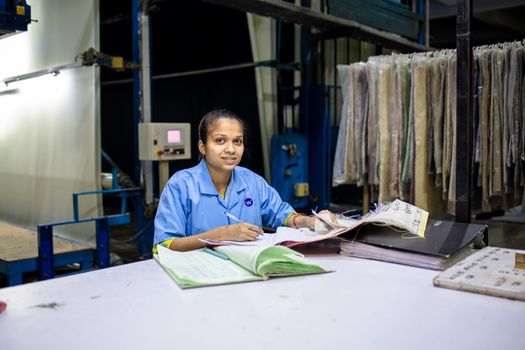
You may already be the person coworkers turn to when a machine stops, an order falls behind, or a shift needs reorganizing. If you enjoy solving those problems while keeping people focused, a production manager job could be a natural next step. The role combines leadership, planning, quality control, safety, budgeting, and practical knowledge of how products are made.
Production managers are employed in industries ranging from food and chemicals to machinery, electronics, aerospace, and vehicle manufacturing. Although employers often prefer candidates with a bachelor’s degree, experienced production workers can also move into management by progressing through team-leader and supervisory roles.
What does a production manager do?
A production manager coordinates the people, equipment, materials, and schedules needed to produce goods safely, efficiently, and at the required quality. Some manage an entire plant, while others oversee one department, product line, shift, or stage of production.
The working day is rarely limited to watching output numbers. A manager might begin by reviewing the previous shift’s results, investigate a quality problem, adjust staffing, speak with maintenance about equipment, and update senior leaders on costs or delivery targets.
Typical responsibilities include:
- Creating and monitoring production schedules
- Assigning employees, equipment, and materials to meet targets
- Tracking productivity, waste, downtime, and labor costs
- Maintaining quality, safety, and environmental procedures
- Hiring, training, coaching, and evaluating employees
- Coordinating with purchasing, maintenance, engineering, sales, and logistics teams
- Responding to shortages, equipment failures, and delayed orders
- Preparing budgets, operational reports, and improvement plans
The role can affect everyday life outside work because schedules may include early mornings, nights, weekends, or on-call responsibilities. Production problems do not always occur during standard office hours. Managers also divide their time between offices and production areas, where protective equipment may be required.
Where are production manager job openings found?
Searches should extend beyond the exact phrase “production manager job.” Employers use several titles for similar positions, including manufacturing manager, plant manager, production control manager, operations manager, assembly manager, area manager, and value-stream manager. Supervisor and assistant production manager openings can provide useful entry points for candidates who are not yet ready to lead a full operation.
Manufacturing remains the main source of industrial production management positions. Opportunities are commonly found in transportation equipment, fabricated metals, chemicals, food, plastics, machinery, pharmaceuticals, packaging, and aerospace. Warehouses, printing businesses, energy facilities, and other organizations that operate structured production processes may also use related titles.
The latest U.S. Bureau of Labor Statistics outlook for industrial production managers projects about 17,000 openings annually, on average, from 2025 through 2035. Many are expected to arise when existing managers retire, transfer occupations, or otherwise leave their positions. Employment is projected to grow 3% over the same period.
Location matters. Industrial areas with concentrations of factories, processing facilities, suppliers, and distribution networks may offer more openings than regions dominated by service industries. Jobseekers can research industrial parks, local manufacturers, and employers expanding or modernizing nearby facilities. This guide to finding local opportunities in production careers offers additional ideas for narrowing a regional search.
Skills employers look for
Leadership and communication
Production managers give clear instructions, set expectations, provide feedback, and address conflict. They must communicate effectively with machine operators, technicians, engineers, executives, customers, and suppliers. Strong managers listen to employees who understand day-to-day production problems and then turn that information into practical decisions.
Planning and time management
Production involves connected deadlines. A delayed material delivery, absent employee, or machine failure can affect the entire schedule. Managers must prioritize work, plan staffing, coordinate maintenance, and revise schedules without losing sight of customer commitments.
Problem-solving and data skills
Employers want candidates who can identify why performance has changed rather than simply report that a target was missed. This may involve studying downtime, defect rates, output, inventory, overtime, or material waste. Spreadsheet skills are useful, while many workplaces also use enterprise resource planning, scheduling, inventory, and manufacturing execution systems.
Quality and safety awareness
A fast production line is not successful if products are defective or employees are placed at risk. Managers enforce procedures, investigate incidents, maintain documentation, and work with quality and safety specialists. Familiarity with the regulations and standards affecting a particular industry can be a major advantage.
Financial judgment
Production decisions have costs. Managers may evaluate overtime, staffing levels, equipment upgrades, maintenance spending, inventory, and material use. They need enough financial understanding to balance output, quality, safety, and budget requirements.
Routes into a production manager career
Progressing from the production floor
Many managers begin as operators, assemblers, technicians, or quality inspectors. They build knowledge of equipment and workflow before advancing to team leader, shift supervisor, or department supervisor. This route can work particularly well for employees who volunteer to train colleagues, lead improvement projects, document procedures, or cover supervisory duties.
Earning a relevant degree
Employers commonly prefer a bachelor’s degree in business administration, operations management, industrial management, engineering, supply chain management, or a related subject. A degree can provide useful knowledge of statistics, finance, project management, process design, and organizational leadership.
A degree is not always mandatory. Some employers accept extensive production and supervisory experience, especially when a candidate has strong technical knowledge of the facility’s products and equipment. Requirements vary considerably, so jobseekers should compare several local postings before deciding that additional education is necessary.
Moving from a technical position
Engineers, maintenance professionals, quality specialists, planners, and supply chain employees may transition into production management. They already understand important parts of the operation but may need to demonstrate experience supervising people, managing budgets, and making decisions across departments.
How to become a stronger candidate
- Ask to lead a small team, shift handover, audit, or improvement project.
- Learn how your workplace measures output, quality, downtime, waste, and cost.
- Develop confidence with spreadsheets and the production software used by employers in your industry.
- Record measurable achievements, such as reduced setup time, fewer defects, improved output, or better training completion.
- Build working knowledge of lean manufacturing, continuous improvement, workplace safety, and root-cause analysis.
- Tailor your resume to the products, processes, equipment, and regulations named in each posting.
In interviews, specific examples are more persuasive than general claims about leadership. Be prepared to describe a production problem, the information you reviewed, how you involved the team, and what changed as a result.
Is a production manager job right for you?
This career may suit you if you like making decisions, improving systems, and helping teams perform under pressure. It also requires accountability: missed deadlines, quality failures, staffing difficulties, and safety concerns may reach the production manager first.
You do not need to arrive with every management skill fully developed. A realistic route is to strengthen your operational knowledge, accept gradually larger leadership responsibilities, and document the results you achieve. Whether you enter through education, technical work, or advancement from the production floor, employers are ultimately looking for evidence that you can guide people and resources toward safe, reliable, high-quality production.