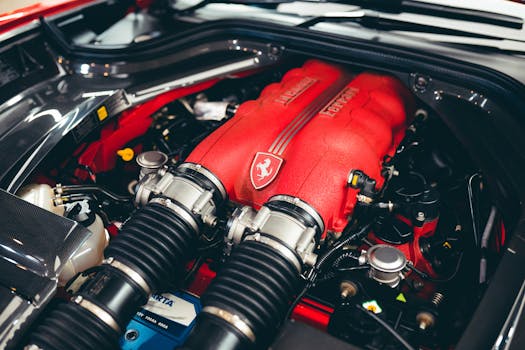
The brand Mercedes Benz is renowned for luxury, innovation, and engineering excellence. But when pondering the question of who manufactured Mercedes Benz, it’s essential to journey back to the late 19th century. The brand’s inception is credited to two pioneering engineers, Karl Benz and Gottlieb Daimler, whose visions and inventions laid the groundwork for what we recognize today as Mercedes Benz. While these individuals contributed to distinct entities initially, their legacy converged in ways that reshaped the automotive industry, setting standards in quality, safety, and innovation that persist to this day.
Who Manufactured Mercedes Benz?
The story of Mercedes Benz begins with two separate inventors: Karl Benz and Gottlieb Daimler. Karl Benz is often celebrated for creating the first true gasoline-powered automobile in 1885, the Benz Patent Motorwagen. Meanwhile, Gottlieb Daimler, alongside engineer Wilhelm Maybach, crafted what is recognized as one of the first practical engines for vehicles. Daimler and Maybach founded the Daimler-Motoren-Gesellschaft (DMG) in 1890.
Despite their independent pursuits, both Benz’s company, Benz & Cie, and Daimler’s ventures would eventually intertwine. In 1926, during the economic challenges post-World War I, Benz & Cie and DMG merged to form the Daimler-Benz company. This fusion marked the genesis of the Mercedes Benz brand name we know today. Mercedes was initially a product line from DMG, named after the daughter of Emil Jellinek, an important customer at the time.
The Evolution of the Mercedes Benz Brand
Following the merger, Mercedes Benz began to establish itself as a symbol of luxury and engineering prowess. The unified company focused on crafting vehicles that incorporated the best of both founding companies’ legacies. Over the decades, Mercedes Benz became synonymous with automotive innovation, introducing features like the crumple zone, anti-lock brakes, and traction control systems.
The emphasis not only remained on car safety but also on creating an unmatchable driving experience. This commitment extended beyond sedans into sports cars, SUVs, and more, always maintaining a focus on quality and luxury. The brand’s iconic three-pointed star emblem represents its domination of land, sea, and air transport—a legacy breed from its wide array of technical applications.
An understanding of automotive engineering principles helps maintain the high standards set by brands like Mercedes Benz, ensuring vehicles perform at their best.
Innovations and Impact on the Automotive Industry
Mercedes Benz has been a front-runner in introducing technological advancements that have set high standards across the auto industry. Their commitment to research and development has resulted in numerous patents and breakthroughs that resonate far beyond their own product lineup. Features like the world’s first diesel car and later innovations in hybrid and electric cars exemplify Mercedes Benz’s proactive approach to sustainable technology.
An emphasis on safety has also been a cornerstone of Mercedes Benz’s philosophy, with significant investments in developing systems that protect both drivers and passengers—and consequently, other car manufacturers have adopted these technologies. The ongoing dedication to manufacturing excellence ensures that Mercedes Benz remains at the cutting edge of the automotive field.
Legacy of Excellence
Reflecting on who manufactured Mercedes Benz unveils a rich history rooted in innovation and mutual collaboration. The founders’ dreams matured into a brand universally recognized for quality and trust. Even today, the legacy of Karl Benz and Gottlieb Daimler lives on, with Mercedes Benz continuing to push the boundaries of technology and luxury in the automotive sector.
As car enthusiasts and consumers look to the future, Mercedes Benz’s perpetual commitment to quality and innovation promises to keep them at the forefront of automotive engineering and design. Their extensive history, ingrained in every vehicle they produce, continues to set new benchmarks for others in the industry.
For more on the evolution of Mercedes Benz, visit the informative page on Mercedes-Benz on Wikipedia.
- Mercedes Benz was founded by Karl Benz and Gottlieb Daimler.
- The brand emerged from the merger of Benz & Cie and Daimler-Motoren-Gesellschaft in 1926.
- Mercedes Benz is recognized for its dedication to innovation, quality, and safety.
- The brand’s technological advancements have influenced the entire automotive industry.
- Mercedes Benz continues to lead in automotive engineering and design.
FAQ
How did Mercedes Benz get its name?
The name “Mercedes” was originally a DMG product line named after Emil Jellinek’s daughter. The use of “Benz” followed the merger of Benz & Cie and DMG, thus forming Daimler-Benz AG, later known as Mercedes Benz.
What innovations is Mercedes Benz known for?
Mercedes Benz is renowned for numerous innovations, such as the crumple zone, anti-lock brakes, and the production of the first diesel-powered and electric cars. Their emphasis on safety and technology has set high industry standards.
How does Mercedes Benz ensure vehicle safety?
Mercedes Benz integrates advanced safety features into its designs, such as airbags, stability programs, and modern driver assistance systems, continuously enhancing them through rigorous research and development.
Why is Mercedes Benz associated with luxury?
Mercedes Benz invests heavily in high-quality materials, cutting-edge technologies, and superior design elements, ensuring its vehicles offer unparalleled comfort, performance, and aesthetic appeal.
What is the significance of the Mercedes Benz logo?
The Mercedes Benz logo, a three-pointed star, symbolizes the company’s ambition to dominate land, sea, and air, reflecting its historical engagement in diverse modes of transportation.