
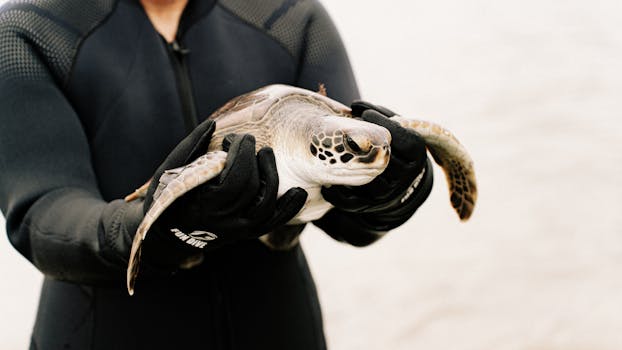
The ocean is an enthralling frontier, home to countless species and ecosystems, and marine biologists have the fascinating task of studying these underwater worlds. One frequently asked question is: do marine biologists need to go to college? This query is central for anyone considering a career in this field. In this article, we’ll explore the educational paths to becoming a marine biologist, including the role of college education in this exciting career.
Do Marine Biologists Need to Go to College?
Becoming a marine biologist typically requires a solid educational foundation. Although some basic research assistant roles may not demand a college degree, aspiring marine biologists usually benefit from pursuing higher education. A bachelor’s degree in marine biology, biology, environmental science, or a related field is often the first step toward more advanced roles in research and academia.
Programs cover subjects such as marine ecology, genetics, oceanography, and ichthyology, providing a comprehensive understanding of marine life and environments. Higher education not only equips students with essential knowledge but also provides opportunities for hands-on experiences through internships and laboratory work.
The Importance of College Education in Marine Biology
Marine biology is a research-intensive field that often requires advanced study. A master’s or doctoral degree becomes necessary for those aiming to conduct independent research, work in academic roles, or hold senior positions. Graduate-level education offers specialized courses and the chance to conduct in-depth research projects. This structured academic path helps students develop critical thinking, data analysis, and scientific writing skills, all crucial for a successful career in marine science.
Additionally, colleges and universities often provide access to essential facilities like laboratories and research vessels, which are crucial for experimental learning and discovery. By enrolling in a college program, students tap into networks of professors, researchers, and peers, building connections that are valuable for career development.
Alternative Education Paths
While traditional college education is a staple path, there are alternative routes to consider. Some institutions offer online degrees, enabling more flexible learning environments tailored to individual needs. Aspiring marine biologists can also explore certificate programs or associate degrees that cover fundamental aspects of marine sciences.
For individuals who already possess a bachelor’s degree in a non-related field, bridge programs or continuing education courses in marine biology could serve as viable options to transition into this scientific domain. Explore accredited biology classes online for more information on expanding your educational opportunities in this field.
Gaining Relevant Experience
Education is crucial, but practical experience is equally important for marine biologists. Internships, volunteer opportunities, and part-time positions at aquariums, conservation organizations, or research facilities can provide invaluable hands-on experience. These roles offer exposure to fieldwork, research methodologies, and marine ecosystems, enhancing theoretical knowledge gained in classrooms.
Such experiences not only bolster your resume but also provide insights into the daily tasks and challenges faced by professionals in the sector. Networking during these opportunities can also lead to references and job offers after graduation.
Is College the Only Path?
While college is a common route to becoming a marine biologist, it’s not the exclusive path. For some, self-guided learning, vocational programs, or direct work experience might lead to fulfilling careers, albeit often without the depth of theoretical and specialized knowledge that a formal education provides.
For those passionate about marine life without the means or desire to follow a traditional academic track, pursuing fieldwork or volunteering with marine conservation groups could still contribute meaningfully to marine science. However, these paths may be more challenging and typically offer fewer advancement opportunities.
It’s essential to weigh both traditional and alternative approaches, considering personal circumstances, career goals, and the type of work you envision doing in marine biology.
In conclusion, while you might wonder do marine biologists need to go to college, the truth is that a college education generally opens more doors and provides the foundational knowledge necessary for most marine biology careers. It equips aspiring scientists with crucial skills and experiences, enabling them to contribute comprehensively to the field and protect our planet’s aquatic treasures.
Takeaways
- A college degree is often necessary for most marine biology careers.
- Advanced degrees open more research and academic opportunities.
- Hands-on experience is vital alongside academic education.
- Alternative education paths exist but are less comprehensive.
- Consider your personal goals and circumstances when deciding.
Frequently Asked Questions
What degree is recommended for marine biologists?
A bachelor’s degree in marine biology, biology, or a related environmental science is typically recommended. Many professionals continue their studies to earn a master’s or doctorate for advanced positions.
Can I become a marine biologist without a degree?
While it is possible to work in marine science without a degree, career advancement opportunities are limited. Most research and academic roles require formal education.
Are there online programs for marine biology?
Yes, several institutions offer online courses and degrees in marine biology, allowing for flexible learning while covering essential topics in the field. Learn more about online education options.
Do marine biologists travel a lot?
Many marine biologists travel for field research, conferences, and collaborations. The extent of travel can vary based on specific roles, projects, and employers.
What types of jobs can marine biologists do?
Marine biologists can work in academia, research, conservation, policy-making, and with non-profits. Roles can vary widely, from conducting field studies to educating the public or advising on environmental regulations.

