Many of us use dishwashers regularly without giving much thought to their intricate workings. So, how does a dishwasher work? This appliance, which has become a staple in modern kitchens, employs a combination of mechanical and chemical processes to efficiently clean your cookware and utensils. By understanding these mechanisms, you can make the most of your dishwasher, ensuring it runs efficiently and extends its lifespan.
How Does a Dishwasher Work?
A dishwasher cleans dishes by spraying hot water mixed with detergent across all the surfaces of the items placed inside. The process is divided into several stages including pre-wash, main wash, rinsing, and drying. Let’s explore these components step by step.
Loading the Dishwasher
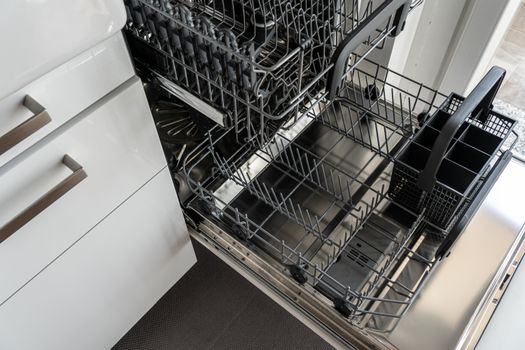
Proper loading of the dishwasher is crucial for optimum cleaning. Arrange larger items like pots and pans on the lower rack and delicate items like glasses on the upper rack. Ensure that water can reach all surfaces and that nothing obstructs the spray arms.
The Pre-Wash Cycle
Once you close the dishwasher door and start the cycle, the machine first engages in a pre-wash cycle. Here, cold or slightly warm water is used to rinse the dishes, removing loose debris and food particles. This cycle helps prepare the dishes for the main washing process.
Main Wash and Detergent Dispersion
The main wash cycle involves heating water to approximately 120-150 degrees Fahrenheit (48-65 degrees Celsius). At this stage, the detergent dispenser opens automatically, releasing detergent into the hot water. The wash arms begin to spin, spraying detergent-laden water over the dishes for a thorough clean.
Rinsing to Remove Residues
Following the main wash, the dishwasher cycles through several rinse phases. This step uses fresh water to wash away any remaining suds and food particles. Efficient rinsing ensures there’s no detergent residue left on your dishes.
Drying the Dishes
Once rinsing is complete, the drying phase begins. Many modern dishwashers use a combination of heat and ventilation to dry dishes. Some models employ a heating element, while others utilize a fan to draw warm air through the appliance. Efficient drying leaves your dishes spot-free and ready to use.
Advanced Technologies in Dishwashers
Recent advancements in dishwasher technology have introduced several features that enhance performance. These include sensors that adjust water temperature and cycle duration based on load size and soil level, saving both energy and water. Many units also offer specific programs for different types of delicate items or heavily soiled cookware.
Energy and Water Efficiency
Dishwashers have evolved to become more water and energy-efficient. Energy Star-rated models use less water than manual washing, contributing to environmental conservation. These appliances are designed to maximize cleaning while minimizing resource use, reflecting consumer demand for environmentally responsible household technologies.
Understanding Dishwasher Maintenance
Regular maintenance is essential for the efficient operation of your dishwasher. Cleaning the filter, checking the spray arms for blockages, and ensuring the detergent compartment functions correctly can prevent common issues. A well-maintained dishwasher not only saves money over time but also improves washing performance.
Common Issues and Troubleshooting
Despite their reliability, dishwashers can encounter problems. Common issues include poor cleaning performance, dishwasher won’t start, or water leakage. Regular maintenance and correct use of detergent can notably help in mitigating these problems. For persistent issues, consulting the manufacturer’s manual or seeking professional repair services is recommended.
The Environmental Impact of Dishwashers
Dishwashers have a significant environmental footprint. However, by opting for energy-efficient models and using them correctly, you can reduce water and energy consumption. It’s an opportunity to contribute positively to the environment without compromising on the efficiency of your kitchen routines.
Discover ways to integrate innovative technologies further in your home by exploring the Google Return to Work Program for Moms on our website, where technology meets lifestyle adaptability.
Maximizing Dishwasher Efficiency
By understanding how does a dishwasher work, you can improve its efficiency. Options like selecting appropriate cycles for different load types, using recommended detergents, and implementing energy-saving settings help optimize its function.
Takeaways
- Dishwashers clean using a series of mechanical and chemical processes.
- Proper loading and regular maintenance are key to efficient operation.
- Advanced technologies enhance cleaning performance and energy efficiency.
- Energy-efficient models help reduce environmental impact.
- Troubleshoot common issues to maintain optimal performance.
FAQs
What is the primary function of a dishwasher?
A dishwasher’s primary function is to clean and sanitize dishes using a combination of hot water, detergent, and mechanical spraying.
How does the detergent work in the cleaning process?
Detergent breaks down food residues and grease, allowing hot water to rinse them away effectively during the wash cycle.
Is regular maintenance important?
Yes, regular maintenance helps ensure that your dishwasher functions efficiently and extends its lifespan by preventing and addressing common problems.
How do dishwashers contribute to environmental conservation?
By using less water and energy than hand-washing, especially if using an Energy Star-rated model, dishwashers can contribute significantly to environmental conservation.
Where can I find more information about domestic appliances?
For reliable and comprehensive information, refer to resources like Wikipedia’s Dishwasher article.