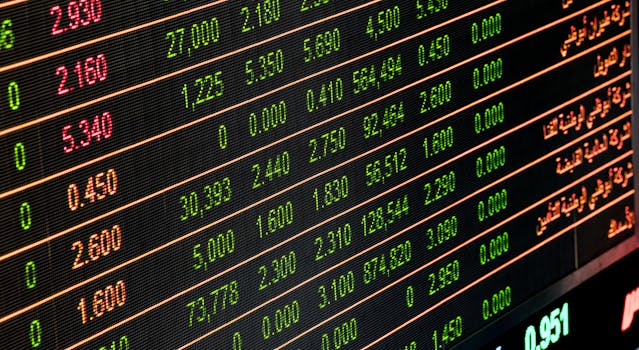
Jump trading, a leading quantitative trading firm, is renowned for its innovative strategies in the financial markets. A notable aspect of its strategy is leveraging the jump trading advantage 4 towers CME trades. This refers to the cutting-edge technology and infrastructure utilized to execute trades on the Chicago Mercantile Exchange (CME) with unprecedented speed and efficiency. By investing in this technology, Jump Trading maximizes market insights and trading opportunities, setting a benchmark in high-frequency trading.
Understanding the Jump Trading Advantage 4 Towers CME Trades
At the core of Jump Trading’s success is the strategic use of its four towers positioned close to key exchanges, including the CME in Chicago. These towers house state-of-the-art technology that boasts minimal latency in trade execution. Latency, or the delay before data processing begins, is crucial in financial markets where milliseconds can determine profitability. The jump trading advantage 4 towers CME trades allow for almost instantaneous execution, capitalizing on market fluctuations faster than competitors.
The Role of Technology in High-Frequency Trading
High-frequency trading (HFT) relies heavily on advanced technology. The towers utilized by Jump Trading are equipped with high-performance computers and network systems that employ complex algorithms. These systems analyze vast amounts of market data in real-time, executing trades based on pre-defined logic instantly. The level of speed and precision attained in such trades is unattainable through manual trading processes, highlighting the competitive edge gained through sophisticated infrastructure.
Trading Algorithms and Market Impact
Trading algorithms are pivotal for firms like Jump Trading. These algorithms assess market conditions, forecast potential movements, and execute trades without human intervention. This automated process reduces human error and increases the execution speed, vital in ensuring that trades are profitable. The impact of these strategies is significant, as they often result in improved market liquidity and tighter bid-ask spreads.
Risk Management and Compliance
Despite the advantages, high-frequency trading carries inherent risks due to the fast-paced nature of transactions. Firms such as Jump Trading implement robust risk management frameworks to mitigate potential losses. Adhering to rigorous compliance standards is essential to operate legally and ethically within the financial markets. Ethical practices ensure that the market remains fair and transparent for all participants.
The Future of Trading with Technological Advancements
As technology continues to evolve, so will trading strategies. High-frequency trading is expected to become even more sophisticated with the integration of artificial intelligence and machine learning techniques. These advancements promise enhanced decision-making capabilities and increased predictive power in trading scenarios. Traders and firms must adapt to these changes to maintain a competitive edge in the market.
For those considering a career in trading, understanding the technological and strategic advancements in this field is crucial. If interested in exploring new career opportunities, including those in trading, you can learn more about emerging paths here.
External Factors Influencing High-Frequency Trading
External factors such as regulatory developments and market volatility significantly influence high-frequency trading. Regulatory oversight is essential to ensure market integrity and protect investors from potential market manipulation. Global events and economic indicators also impact market dynamics, necessitating adaptable strategies for those engaged in high-frequency trading.
For a broader understanding of high-frequency trading and its implications, you can explore more resources such as this comprehensive overview of education in trading.
In conclusion, the jump trading advantage 4 towers CME trades exemplify the seamless integration of technology and trading strategies. By leveraging advanced infrastructure, Jump Trading continues to set industry standards in high-frequency trading, maintaining its position as a leader in the financial markets.
- Jump trading leverages advanced infrastructure for competitive trading advantages.
- Technology reduces latency, crucial for profitable high-frequency trading.
- Robust algorithms enhance market efficiency and ensure quick execution.
- Compliance and risk management are key components of responsible trading.
- Technological advancements will continue to shape the future of trading.
What is the jump trading advantage 4 towers CME trades?
It refers to the strategic use of four towers that house technology enabling low-latency, high-speed trading on the Chicago Mercantile Exchange.
How do trading algorithms work in high-frequency trading?
Algorithms assess market data and automatically execute trades based on pre-defined criteria, allowing for rapid responses to market changes.
Why is latency important in trading?
Latency determines the speed of trade execution. Lower latency allows traders to react and execute trades faster, offering a competitive edge.
What are the risks associated with high-frequency trading?
Risks include market volatility, system failures, and potential regulatory changes. Robust risk management practices help mitigate these risks.
How can someone start a career in financial trading?
Individuals should focus on developing skills in finance, mathematics, and computer science, and stay informed on industry trends and advancements.