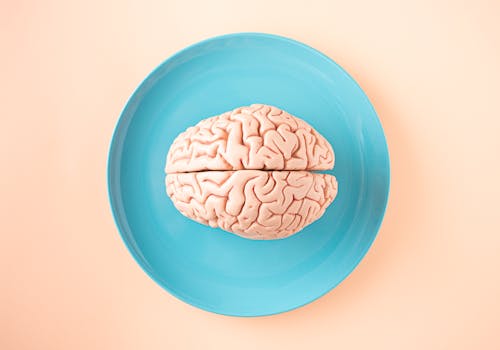
The pursuit of happiness is a universal endeavor, intrinsically linked to the pleasure centers in the brain. These intricate networks play a vital role in regulating mood, motivation, and overall well-being. In this article, we explore how these pleasure centers operate and their significance in shaping our day-to-day experiences.
Understanding the Pleasure Centers in the Brain
The pleasure centers in the brain are primarily composed of the reward circuit that includes structures such as the nucleus accumbens, ventral tegmental area (VTA), and the prefrontal cortex. They are essential in processing pleasurable experiences and reinforcing behaviors that are beneficial to survival. When these centers are activated, they release neurotransmitters like dopamine, which contribute to feelings of pleasure and reward.
This intricate system is not solely responsible for feelings of happiness. It also influences our motivation to engage in activities that are pleasurable or essential for survival. For instance, eating, social bonding, and exercising are activities that often trigger these centers, leading to a reward response in the brain.
For more insights into how brain functions influence creativity, check out our guide on hypnosis and intuition in art creation.
The Role of Neurotransmitters in Pleasure
Neurotransmitters are chemicals that transmit signals in the brain, playing a critical role in the functioning of pleasure centers. Dopamine is perhaps the most well-known, often associated with ‘feeling good’ sensations. However, it’s important to note that other neurotransmitters, including serotonin and endorphins, also contribute to the complex neural architectures of pleasure and well-being.
Dopamine release fosters motivation and reward prediction, thus playing a crucial role in learning new behaviors. Serotonin, on the other hand, often helps balance mood and contribute to feelings of happiness and emotional stability. Endorphins, naturally produced in response to stress and pain, also support the body’s reward systems by promoting a sense of well-being.
Activities That Influence Pleasure Centers
Several daily activities can positively influence these centers. Regular exercises, such as jogging or yoga, have been shown to increase dopamine and endorphins levels, offering mood-boosting benefits. Engaging in creative endeavors, such as painting or writing, can stimulate satisfaction and reward pathways, providing joyous experiences.
Social interactions also play a significant role. Sharing time with friends or family can trigger the release of oxytocin, known as the ‘love hormone,’ which helps foster bonds and heightens the pleasure derived from social connections.
The Impact of Lifestyle on Brain’s Pleasure Centers
Our lifestyle choices can significantly impact how effectively our brain’s pleasure centers function. Ensuring a balanced diet rich in omega-3 fatty acids, vitamins, and minerals can contribute to optimal brain health. Adequate sleep is another crucial factor, as it allows the brain to reset and recharge, maintaining the efficiency of these centers.
Mindfulness practices, such as meditation and deep breathing, have been recognized for their stress-relief benefits and their potential to enhance feelings of pleasure and contentment. These practices help in maintaining a balanced state of mind, conducive to happiness.
It is essential to maintain a lifestyle that supports brain health, as chronic stress and negative habits like substance abuse can adversely affect the functionality of the pleasure centers.
For further details on how education shapes our happiness and mental processes, you can explore the comprehensive entry on education on Wikipedia.
Conclusion
The pleasure centers in the brain govern much of our emotional world and have a powerful influence on our happiness and quality of life. By understanding and nurturing these centers through healthy lifestyle choices, social connections, and creative activities, we can enhance our well-being and foster a more fulfilling life.
- Pleasure centers in the brain play a critical role in regulating mood and motivation.
- Activities like exercise, socializing, and creativity stimulate these centers.
- Balanced lifestyle choices enhance the functionality of the pleasure centers.
- Mindfulness practices can boost feelings of pleasure and contentment.
- Healthy brain function is crucial for overall well-being and happiness.
What role does dopamine play in the brain’s pleasure centers?
Dopamine is a key neurotransmitter involved in motivation, reward, and pleasure. It signals the brain to anticipate rewards and feel good when goals are achieved.
How do lifestyle choices affect the brain’s pleasure centers?
Healthy lifestyle choices, such as regular exercise, proper nutrition, and adequate sleep, support the optimal functioning of the brain’s pleasure centers, promoting well-being.
Can social interactions stimulate the brain’s pleasure centers?
Yes, social interactions can trigger the release of oxytocin and other neurotransmitters that enhance bonding and contribute to feelings of pleasure and happiness.
What activities are known to enhance brain health?
Activities like engaging in regular physical exercise, practicing mindfulness, and participating in creative tasks can positively affect brain health and stimulate the pleasure centers.
How does stress influence the brain’s pleasure centers?
Chronic stress can impair the function of pleasure centers, diminishing feelings of happiness and well-being. Stress management techniques can help maintain their effectiveness.