
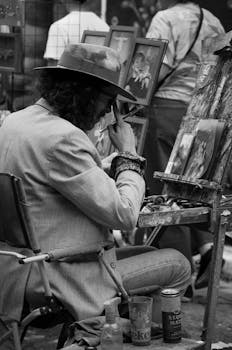
Have you ever gazed at a painting and felt captivated by its beauty, wondering if you could create something equally mesmerizing? If so, you’re not alone. Many aspiring artists want to learn how to become a painter, a journey that goes beyond the mere application of paint to canvas. It involves creativity, technical skills, and a commitment to continuous learning.
How to Become a Painter
Embarking on the journey to becoming a painter starts with understanding your passion and what drives your creativity. Although talent plays a role, painting is a skill that can be cultivated over time with practice and dedication. Whether you dream of creating vivid landscapes or abstract masterpieces, there are several steps you can follow to develop your abilities and find your unique artistic voice.
- Find Your Inspiration: Explore different themes and subjects that ignite your passion. Art comes from the heart, and your inspiration is the key to developing your style.
- Build Your Skills: Attend painting classes, watch tutorials, and practice regularly. Building your skills in various techniques will lead to greater creativity and flexibility in your work.
The Importance of Formal Education
While some artists are self-taught, formal education can provide a comprehensive understanding of art principles and history. Participating in structured learning environments allows you to receive feedback and guidance from experienced instructors, which can be invaluable to your growth as an artist. If you’re considering pursuing art education overseas, check out some of the top art schools in Europe.
Setting Up Your Studio
Having a dedicated space to create is essential. This doesn’t need to be a grand studio; even a small corner in your living room can suffice. Your studio should be a reflection of your personal preferences, equipped with the tools you need to work comfortably and efficiently. Take time to organize your supplies, and consider investing in quality materials that will enhance your work.
Understanding Art Techniques
Becoming proficient in different painting techniques is crucial. Familiarize yourself with mediums such as oil, acrylic, and watercolor. Each has unique properties and methods that can dramatically alter the outcome of your work. Additionally, learning about color theory, composition, and texture will enrich your paintings and help you make informed decisions about your style.
Networking and Community Involvement
Art is not just a solitary pursuit; engaging with fellow artists can open up opportunities for collaboration and growth. Join art clubs, attend gallery openings, and exhibit your work publicly. These experiences not only offer inspiration but can also connect you with mentors and potential clients.
Navigating the Art World
Understanding the business side is essential for those looking to make a living from their art. Learn how to price your work, market your paintings effectively, and navigate the various platforms available for selling art. Building an online presence through social media and dedicated websites can widen your reach and showcase your talents to a global audience. For more information on art education and insights, explore this detailed guide on education.
Embracing Your Unique Style
Your journey to becoming a painter involves discovering and developing your unique style. Don’t be afraid to experiment and take risks in your work. Authenticity and originality are what set your art apart and captivate your audience.
In conclusion, learning how to become a painter is a personal journey that requires persistence, passion, and an eagerness to explore the bounds of your creativity. Whether through self-discovery or formal education, the path is as rewarding as the destination.
- Explore various art mediums and techniques for versatility.
- Consider formal education to gain structured knowledge.
- Engage with other artists for community support and inspiration.
- Develop a business acumen to market and sell your art.
- Cultivate a unique style to make your work distinct.
FAQs
What skills are essential for becoming a painter?
Essential skills include creativity, technical proficiency with different mediums, and a strong grasp of color and composition. Building these skills requires practice and dedication.
Can anyone learn how to become a painter?
Yes, anyone with a passion for art can learn to paint. While natural talent is helpful, painting is a skill that can be developed with practice, learning, and exposure to different techniques.
How do I find my unique style as a painter?
Finding your style involves experimenting with various techniques and themes, studying other artists, and reflecting on what feels authentic to you. Over time, your preferences and influences will naturally shape your style.
Is formal education necessary for becoming a painter?
Formal education is not essential but can provide valuable knowledge, resources, and networking opportunities. Whether self-taught or formally trained, the focus should be on continuous learning and development.
How do I market myself as a painter?
Marketing yourself involves creating an online presence through a personal website and social media, participating in exhibitions, and connecting with other artists and potential buyers. Building a strong portfolio is also crucial.

