
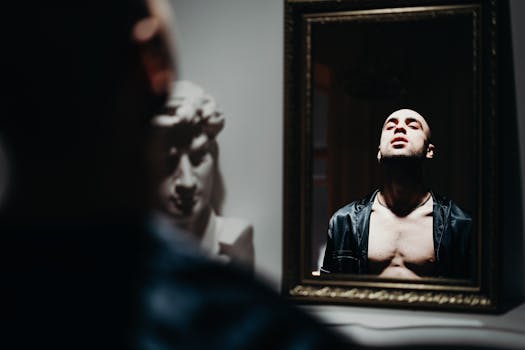
Have you ever wondered, “How can I become an artist?” You’re not alone. Many people dream of expressing themselves through art but aren’t sure how to get started. Whether you’re looking to paint stunning landscapes, sketch realistic portraits, or create cutting-edge digital art, becoming an artist is a journey that requires dedication, practice, and a little bit of guidance. In this article, we will explore different paths to help you unlock your creative potential and begin your artistic career.
How Can I Become an Artist?
Becoming an artist is not a one-size-fits-all journey. It can be as unique as the art you dream of creating. The first step to becoming an artist is to develop a passion for art. Spend time exploring various art forms and styles to see what resonates with you. This may involve visiting art galleries, attending art shows, or engaging with online art communities.
Education and Training
A formal education in art can provide you with valuable skills and knowledge. Art schools and universities offer structured programs in various disciplines such as painting, sculpture, and digital media. These programs often combine practical studio work with theoretical studies, giving you a well-rounded foundation. Consider looking into scholarships available for art students to support your educational journey.
If you’re wondering how to become a artist without traditional schooling, don’t worry. Many renowned artists are self-taught, using online courses, workshops, and books to develop their skills. Platforms like online tutorials and masterclasses offer affordable and accessible learning options that can be tailored to your personal schedule and interests.
Building Your Portfolio
Your portfolio is a curated collection of your best work and serves as your artistic resume. It should showcase your style and technical skills. Start by creating a diverse range of pieces that highlight your creativity and versatility. A strong portfolio is vital when applying for exhibitions, residencies, or art-related jobs.
A digital portfolio is essential in today’s digital age. Consider creating a professional website or utilizing social media platforms to share your work. This not only helps you reach a wider audience but also establishes your presence in the art community.
Networking and Community Engagement
Building connections in the art world is crucial for any aspiring artist. Attend art shows, gallery openings, and industry events to meet like-minded individuals. Joining art groups or collectives can also provide support and feedback on your work, helping you grow as an artist.
Engagement with the community can also come through participation in art fairs and competitions. These events offer platforms to display your work and gain recognition from peers and potential patrons. Displaying your work in public spaces or contributing to community art projects can also enhance your visibility and impact.
The Role of Technology in Art
In today’s digital age, technology plays a significant role in the art world. Digital illustration software, 3D modeling, and online galleries have created new ways for artists to express themselves and reach audiences worldwide. Consider learning digital art tools to expand your range and capability as an artist.
Online platforms also help in marketing your art. Tools such as social media, blogs, and virtual galleries allow you to share and sell your work globally. This can be an efficient way to generate income while doing what you love.
Persistence and Personal Development
Success in the art world requires persistence. Artists often face rejection and criticism, so it’s important to remain focused and continue developing your skills. Set realistic goals and dedicate time to your craft every day. Each piece you create will bring you closer to mastering your art.
Personal development is just as important as skill development. Practice self-reflection and seek constructive feedback. This will help you refine your techniques and grow your artistic identity.
Ultimately, the question of “How can I become an artist?” is answered by continuous growth and exploration. By following these steps, staying dedicated, and embracing your passion for art, you can turn your aspiration into reality.
- Identify your passion and artistic style.
- Consider formal education or self-directed learning.
- Build a diverse and professional portfolio.
- Engage with the community and network.
- Embrace technology and digital tools.
Frequently Asked Questions
Do you need a degree to become an artist?
A degree is not mandatory to become an artist. While formal education can provide valuable skills and opportunities, many successful artists are self-taught.
How do you become an artist if you have no experience?
Start by experimenting with different mediums and techniques. Online tutorials, workshops, and art books are excellent resources for beginners.
What should be included in an artist’s portfolio?
A strong portfolio should feature a selection of your best work, demonstrating your style, technical skills, and creativity. Include a variety of pieces to showcase your versatility.
How can technology help me as an artist?
Technology provides tools for creating digital art and reaching global audiences via online platforms. It expands your creative possibilities and marketing capabilities.
Where can I find more resources about becoming an artist?
You can explore more comprehensive resources on art education on platforms like Wikipedia, where a wide range of educational topics is covered.

