
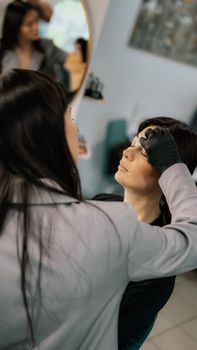
You sit in a salon chair hoping for a fresh haircut, but your appointment quickly involves much more: a consultation about your hair texture, questions about previous color treatments, product recommendations, and advice for maintaining the finished look. If you have ever searched “what is cosmetologist do,” the simple answer is that a cosmetologist provides professional beauty services while helping clients make informed, safe choices about their hair, skin, nails, or makeup.
The exact services depend on the cosmetologist’s training, license, workplace, and state regulations. Some professionals offer a broad menu of services, while others specialize in areas such as hair coloring, natural hair care, makeup, or nail care.
What Does a Cosmetologist Do?
A cosmetologist works with clients to improve or maintain their personal appearance. Hair services are usually central to the job, but cosmetology training may also cover basic skincare, makeup application, and nail services.
Common responsibilities include:
- Consulting with clients about their goals, preferences, and daily routines
- Examining the condition of the hair and scalp before performing a service
- Shampooing, conditioning, cutting, drying, and styling hair
- Applying permanent, semi-permanent, or temporary hair color
- Lightening, highlighting, or toning hair
- Performing chemical texture services, such as permanent waves or relaxers
- Providing certain facial, makeup, manicure, or scalp services when permitted
- Explaining how to care for a style or treatment at home
- Cleaning and disinfecting tools, equipment, and work surfaces
- Scheduling appointments, processing payments, and maintaining client records
A skilled cosmetologist does not simply follow a photograph or repeat the same technique for everyone. The professional considers factors such as hair density, curl pattern, previous chemical treatments, face shape, maintenance needs, and the amount of time a client wants to spend styling at home.
What Happens During a Cosmetology Consultation?
The consultation is one of the most important parts of an appointment. A cosmetologist may ask what the client likes or dislikes about the current style, how often the hair is washed, which products are used, and whether the hair has been colored, relaxed, or otherwise chemically treated.
This conversation helps establish realistic expectations. For example, moving from very dark dyed hair to a much lighter shade may require multiple appointments. A requested haircut may also behave differently on tightly curled hair than it does on straight hair. Good cosmetologists explain these limitations before beginning the service rather than promising a result that may be damaging or difficult to maintain.
For chemical services, the cosmetologist should follow the product manufacturer’s directions and may perform strand or sensitivity testing when appropriate. Hair dyes can cause skin irritation or allergic reactions, even in someone who has used color before. The FDA’s hair dye safety guidance explains why consumers and salon professionals should follow label instructions and take possible reactions seriously.
Cosmetologists Support Appearance, Not Medical Treatment
Because cosmetologists regularly examine the hair, scalp, skin, and nails, they may notice unusual changes. These could include redness, swelling, broken skin, hair loss, scalp sores, or changes in a nail’s color or thickness.
However, cosmetologists are not physicians and should not diagnose an infection, allergy, autoimmune condition, or other health problem. They also should not claim that a salon product can cure a medical condition. If a client has significant irritation, open wounds, unexplained hair loss, signs of infection, or a severe reaction to a cosmetic product, the safest step is to pause the service and recommend evaluation by an appropriate healthcare professional.
Symptoms such as facial swelling, wheezing, difficulty breathing, or trouble swallowing after exposure to a cosmetic product may indicate a serious allergic reaction and require immediate medical attention.
Sanitation and Safety Are Major Parts of the Job
Cosmetology involves close contact with clients and the repeated use of tools and chemical products. Safe work practices are therefore essential, not optional.
A cosmetologist must understand how to clean and disinfect reusable implements, dispose of single-use items, wash hands, store products correctly, and avoid contaminating clean supplies. State rules may establish specific procedures for items such as combs, brushes, scissors, manicure tools, shampoo bowls, and workstations.
Chemical safety matters as well. Colorants, lighteners, nail products, disinfectants, and some smoothing treatments may irritate the skin, eyes, nose, or airways. Proper ventilation, suitable gloves, careful product handling, and adherence to label directions can help reduce exposure. Cosmetologists must also avoid applying products to areas for which they were not intended, such as using ordinary hair dye on eyelashes or eyebrows.
What Skills Does a Cosmetologist Need?
Technical ability
Cosmetologists need control, precision, and an understanding of how different techniques affect different hair and skin types. They must also know how to use equipment safely and recognize when a requested service could cause excessive damage.
Communication and listening
Clients may describe a result using vague phrases such as “just a trim” or “make it brighter.” The cosmetologist must ask useful questions, confirm the plan, and explain maintenance requirements in understandable language.
Creativity and judgment
Beauty work is creative, but it also requires practical decision-making. A cosmetologist may need to adapt a trend to suit a client’s hair texture, workplace, budget, or styling routine.
Time management and stamina
Salon professionals often stand for long periods and perform repetitive hand and arm movements. They must manage appointments carefully because some chemical processes require precise timing. Comfortable footwear, supportive workstations, good posture, and regular breaks can make the work more manageable.
Customer service and business skills
Returning clients are important to a cosmetology career. Reliability, professionalism, accurate scheduling, and respectful communication help build trust. Self-employed cosmetologists may also handle marketing, inventory, bookkeeping, taxes, pricing, and rental expenses.
What Training Is Required?
In the United States, cosmetologists generally complete a state-approved education program and obtain a license before working independently. Training commonly combines classroom instruction with supervised practice. Students may study haircutting, styling, coloring, chemical texture services, sanitation, anatomy, product chemistry, client consultation, and state laws.
Licensing requirements are not identical nationwide. The required training hours, minimum age, examinations, renewal schedule, and permitted services vary by state. Prospective students should confirm that a school is approved by the relevant state licensing board before enrolling.
When comparing education options, consider tuition, supplies, scheduling, graduation requirements, licensing preparation, and opportunities for hands-on practice. Reviewing the broader advantages and disadvantages of professional training can also help students decide whether a career-focused program fits their goals and finances.
Where Can Cosmetologists Work?
Many cosmetologists work in beauty salons, spas, hotels, resorts, retail settings, or specialty studios. Others rent a salon booth, provide on-location services for weddings and events, work in entertainment or photography, teach after gaining experience, or open their own businesses.
Schedules often include evenings and weekends because those are convenient times for clients. Income may come from hourly wages, commissions, service fees, retail product sales, and tips. Earnings can vary considerably according to location, experience, specialty, pricing, clientele, and employment arrangement.
Is Cosmetology a Good Career Fit?
Cosmetology may suit someone who enjoys hands-on creative work, frequent social interaction, and continuous learning. It can be rewarding to help clients feel comfortable and confident, but the career also requires physical endurance, careful sanitation, customer service, and responsible chemical handling.
Before enrolling in a program, speak with working cosmetologists, visit licensed schools, review state requirements, and calculate the full cost of training and supplies. Understanding both the artistic and practical sides of the profession will help you decide whether cosmetology is the right long-term path.

