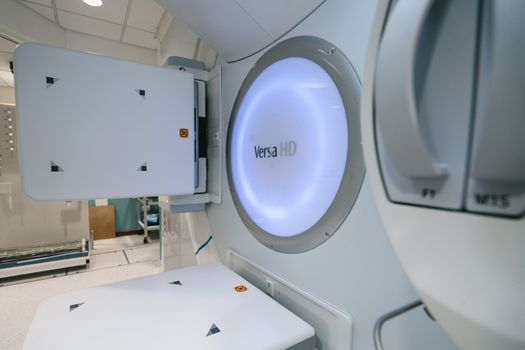
A patient arrives for a cancer treatment appointment and meets someone called a radiation therapist. The title can be confusing: Is this person a doctor, a counselor, or an imaging technician? In fact, a radiation therapist is a specially trained healthcare professional who delivers prescribed radiation treatments, positions patients with great precision, operates advanced equipment, and provides support throughout the treatment process.
So, what does a radiation therapist do from day to day? The short answer is that they combine technical skill with direct patient care. They help ensure radiation reaches the intended treatment area while limiting unnecessary exposure to nearby healthy tissue. Because many patients return for multiple sessions, radiation therapists may also become a familiar and reassuring presence during a stressful period of care.
What Does a Radiation Therapist Do During Treatment?
Radiation therapists are members of an oncology team. They most commonly care for people with cancer, although radiation may sometimes be used for other medical conditions. They do not independently diagnose disease, prescribe radiation, or decide how much radiation a patient should receive. Instead, they carry out a treatment plan developed by a radiation oncologist and other specialists.
Typical responsibilities include:
- Reviewing the treatment plan and confirming the patient’s identity before each session
- Explaining what will happen and answering questions about the procedure
- Positioning the patient precisely using supports, molds, masks, or other immobilization devices
- Operating equipment such as a linear accelerator to deliver external beam radiation
- Following detailed safety procedures to protect patients, coworkers, and themselves
- Watching and communicating with the patient from a nearby control area during treatment
- Monitoring for discomfort, anxiety, or possible treatment reactions
- Documenting each treatment and reporting concerns to the clinical team
Accuracy is essential. A patient generally needs to be positioned in the same way for every session so the radiation is delivered to the planned location. Before treatment begins, the therapist may participate in a planning appointment called a simulation. During simulation, imaging is used to identify the treatment area, and positioning devices or small skin marks may be created to help reproduce the setup later.
What Is a Radiation Therapy Appointment Like?
For external beam radiation therapy, the patient lies on a treatment table while the machine moves around the body or directs radiation from planned angles. The machine does not usually touch the patient, and the delivery of radiation itself cannot be seen, smelled, or felt.
The therapist leaves the treatment room before the radiation is switched on, but the patient is not left unattended. The therapist can see the patient through a window or video system and communicate through an intercom. Treatment can be stopped if the patient feels unwell or needs assistance.
Much of an appointment may be devoted to careful positioning and safety checks, while the actual radiation delivery may take only a few minutes. External beam treatment also does not make a patient radioactive. The therapist may remind patients that they can safely be around family members after a standard external beam session.
Who Works With a Radiation Therapist?
Radiation therapy is highly collaborative. A therapist may work closely with:
- A radiation oncologist, the physician who prescribes and oversees treatment
- A medical dosimetrist, who helps calculate and develop the dose distribution
- A medical physicist, who checks equipment performance and treatment accuracy
- Oncology nurses, who help manage symptoms and provide education
- Imaging professionals, physicians, and other members of the cancer care team
The therapist is often the team member the patient sees most regularly. That makes communication and observation important. Therapists need to recognize changes in a patient’s condition and promptly share them with the appropriate clinician, even though they do not diagnose or independently treat side effects.
What Education Does a Radiation Therapist Need?
In the United States, radiation therapists typically complete an associate or bachelor’s degree in radiation therapy. Programs generally combine classroom instruction with supervised clinical training. Coursework may cover anatomy, physiology, radiation physics, treatment procedures, patient care, medical terminology, mathematics, ethics, and radiation protection.
Clinical education allows students to practice patient positioning, equipment operation, documentation, communication, and safety procedures under supervision. Prospective students should confirm that a program meets applicable certification and licensing requirements before enrolling.
Many employers seek candidates who hold certification and registration through the American Registry of Radiologic Technologists. Eligibility commonly involves meeting education, ethics, and examination requirements. Most states also require radiation therapists to be licensed or certified, but the exact rules vary. Students should check the requirements in the state where they plan to work.
Radiation therapy should not be confused with mental health counseling or psychotherapy. People interested in that field will follow a different educational route, as explained in this guide to becoming a counseling therapist.
What Skills Are Important in This Career?
A successful radiation therapist needs more than comfort with technology. The role requires a combination of scientific knowledge, precision, emotional awareness, and physical stamina.
- Attention to detail: Small positioning or data-entry errors can affect treatment accuracy.
- Compassion: Patients may be frightened, uncomfortable, or coping with a serious diagnosis.
- Communication: Therapists must explain procedures clearly and coordinate with multiple specialists.
- Technical ability: The job involves computers, imaging systems, and complex treatment equipment.
- Dependability: Treatment schedules and safety protocols must be followed consistently.
- Physical capability: Therapists may stand for long periods and help patients move or transfer safely.
Emotional resilience is also valuable. Radiation therapists regularly care for people facing cancer and other serious illnesses. The work can be deeply meaningful, but it may also be emotionally demanding.
Where Do Radiation Therapists Work?
Most radiation therapists work in hospitals, physician offices, cancer treatment centers, and outpatient facilities. Many positions are full time. Because treatments are generally scheduled in advance, work hours may be more predictable than in some other clinical careers, although schedules vary by employer and emergency or on-call duties may occasionally be required.
Radiation therapists follow strict occupational safety practices. Treatment facilities are designed to contain radiation, and therapists monitor exposure according to workplace procedures. They remain outside the treatment room during radiation delivery and may wear monitoring devices that track occupational exposure.
Salary, Job Outlook, and Advancement
Pay depends on location, experience, workplace, education, and certification. According to the U.S. Bureau of Labor Statistics career profile for radiation therapists, the median annual wage was $105,310 in May 2025. Employment was projected to grow 3% from 2025 through 2035, with openings also resulting from workers retiring or changing occupations.
With experience and additional education, a radiation therapist may move into management, education, equipment applications, quality assurance, or medical dosimetry. Some professionals pursue advanced credentials or specialize in particular treatment technologies. Advancement requirements depend on the role and employer.
Is Radiation Therapy a Good Career Fit?
Radiation therapy may appeal to someone who wants direct patient contact but also enjoys science, mathematics, and sophisticated technology. It offers an opportunity to support patients while performing work that requires consistency and exactness.
However, prospective students should consider the responsibility involved. Therapists must follow treatment plans precisely, maintain patient confidentiality, remain calm around complex equipment, and communicate compassionately with people who may be seriously ill. For the right person, the career brings together technical expertise and human connection in a role that is central to modern cancer care.