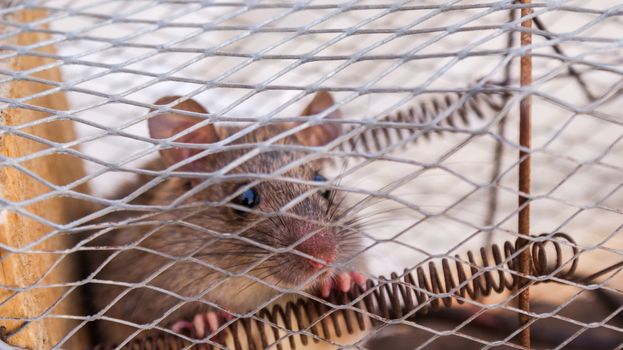
A frightened dog is running through traffic, a neighbor reports neglected animals, or a raccoon appears inside a home. Who responds? In many communities, an animal control officer handles the call. However, animal control jobs involve much more than catching stray pets. These professionals protect people, enforce local laws, investigate possible cruelty, and help animals reach safe housing or medical care.
If you want a career that combines animal welfare, public service, fieldwork, and problem-solving, animal control may be a good fit. The work can be rewarding, but it also requires physical stamina, emotional resilience, sound judgment, and the ability to communicate with people during stressful situations.
What Do Animal Control Workers Do?
Animal control workers respond to concerns involving domestic animals, livestock, and wildlife, depending on the agency and location. They may work for municipal or county governments, police departments, public safety agencies, shelters, or organizations contracted to provide community animal services.
Common responsibilities include:
- Capturing and transporting stray, injured, abandoned, or dangerous animals
- Investigating reports of neglect, cruelty, illegal breeding, or animal attacks
- Checking licenses, vaccination records, and compliance with local ordinances
- Issuing warnings or citations when animal-related laws are violated
- Collecting evidence, interviewing witnesses, and preparing reports
- Testifying in court when citations or criminal cases are contested
- Helping reunite lost animals with their owners
- Educating residents about responsible pet ownership and animal safety
- Assisting during disasters, evacuations, or public-health incidents
- Transporting sick or injured animals for veterinary evaluation
Some positions also involve shelter care, adoption support, wildlife calls, or removing deceased animals from public roadways. Euthanasia may be part of certain jobs, but only when permitted by law, agency policy, and the worker’s training.
Types of Animal Control Jobs
Animal Control Officer
Field officers respond to calls, safely handle animals, investigate complaints, enforce ordinances, and document each incident. In some jurisdictions they are civilian government employees; in others, they have limited law-enforcement authority.
Animal Cruelty Investigator
Investigators focus on suspected abuse, neglect, hoarding, or illegal animal-related activity. They may photograph conditions, collect records, interview witnesses, coordinate veterinary examinations, and work with prosecutors or police.
Animal Services or Shelter Officer
These workers may divide their time between field response and shelter operations. Duties can include animal intake, feeding, cleaning enclosures, arranging medical care, scanning for microchips, and assisting with adoptions or owner reunification.
Dispatcher or Community Services Specialist
Not every animal control job requires capturing animals. Dispatchers receive public calls, determine urgency, send officers to appropriate locations, maintain records, and explain local regulations. Community specialists may manage licensing programs or provide public education.
Supervisor or Program Manager
Experienced professionals can advance into roles involving staff training, budgeting, scheduling, policy development, case review, and coordination with shelters, veterinarians, emergency managers, and law-enforcement agencies.
Education and Hiring Requirements
A high school diploma or equivalent is the typical entry-level education for animal control workers. Employers usually provide substantial on-the-job training, although requirements vary by state, county, and municipality.
Applicants may also need:
- A valid driver’s license and acceptable driving record
- A criminal background check and, in some agencies, drug screening
- The ability to lift, carry, restrain, or move animals and equipment
- Availability for nights, weekends, holidays, or emergency on-call shifts
- Training in animal handling, report writing, evidence collection, or local laws
- Agency-approved certification within a specified period after hiring
Some jurisdictions require completion of an animal control academy or specialized instruction in humane capture, courtroom procedures, chemical restraint, or euthanasia. College is not always necessary, but coursework in animal science, veterinary technology, criminal justice, communications, or public administration can make an applicant more competitive.
People interested in developing deeper clinical knowledge can also explore veterinary programs that prepare students for careers in animal health. Keep in mind that animal control officers generally do not diagnose illnesses or independently provide veterinary treatment unless they hold the appropriate professional license.
Skills That Matter on the Job
Being comfortable with animals is important, but successful officers need strong people skills as well. Owners may be frightened, grieving, defensive, or angry. Officers must listen carefully, explain laws clearly, reduce conflict, and remain professional without losing compassion.
Important qualities include:
- Calm decision-making during emergencies
- Careful observation of animal behavior and physical condition
- Clear speaking and accurate report writing
- Conflict-resolution and interviewing skills
- Physical coordination and situational awareness
- Integrity when handling evidence or enforcing laws
- Emotional resilience when cases have difficult outcomes
Accurate documentation is especially important. A routine complaint can become a court case, public-health investigation, or dispute over ownership, so reports must be objective and complete.
Health and Safety Considerations
Animal control workers may encounter bites, scratches, traffic hazards, extreme weather, frightened animals, contaminated environments, and diseases that can spread between animals and humans. Agencies typically provide protective equipment, handling tools, safety procedures, and exposure-response training.
The Centers for Disease Control and Prevention recommends rabies pre-exposure vaccination for people who work directly with animals that could carry rabies, a category that includes most animal control officers. Whether vaccination is required or provided by an employer depends on job duties and agency policy. Workers must still report bites or other possible exposures immediately and follow medical and public-health guidance.
How Much Do Animal Control Jobs Pay?
National pay varies by location, experience, union coverage, shift assignments, and the level of enforcement authority involved. According to U.S. Bureau of Labor Statistics career data for animal control workers, the median annual wage was $45,660 in May 2025, or about $21.95 per hour.
Entry-level positions may pay less, while experienced investigators, supervisors, and officers in higher-cost areas may earn more. Government roles can also include health insurance, retirement plans, paid leave, overtime, uniform allowances, or additional compensation for on-call work. Applicants should review the full benefits package rather than comparing salary alone.
Career Outlook and Advancement
The Bureau of Labor Statistics projects employment of animal control workers to grow 4 percent from 2025 to 2035, about as fast as the average for all occupations. Demand is influenced by municipal budgets, population growth, local enforcement priorities, shelter capacity, and the need to replace workers who retire or leave the field.
Officers may advance into cruelty investigation, field supervision, shelter management, emergency planning, code enforcement, or public education. Additional education can also support a move into veterinary technology, law enforcement, wildlife rehabilitation, or animal welfare administration.
Is an Animal Control Career Right for You?
Animal control jobs are best suited to people who care about both animals and community safety. The job is not simply about rescuing pets; it involves enforcing rules, managing conflict, completing detailed paperwork, and sometimes making painful decisions.
Before applying, review local government job postings, volunteer with a shelter if possible, and ask whether you can observe an animal services department. Firsthand exposure can help you decide whether the schedule, physical demands, public contact, and emotional realities match your strengths. For the right person, animal control offers a practical way to protect animals while providing an essential public service.