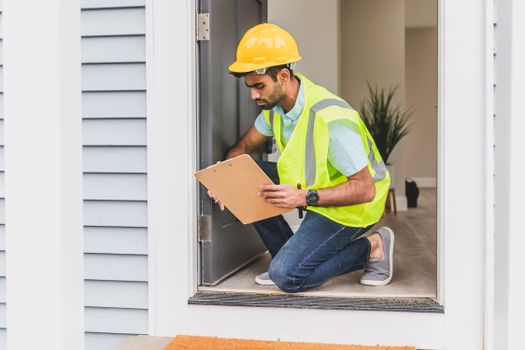
You may be the person who notices a water stain before anyone else, wonders whether a wall crack is serious, or wants to know why an electrical panel looks unsafe. If you enjoy solving practical problems and explaining what you find, home inspection may be a good career fit. But how do you become a home inspector, especially if you do not already work in construction? The usual path involves learning residential systems, meeting your state’s licensing rules, gaining supervised experience, and building the reporting and business skills clients expect.
What Does a Home Inspector Actually Do?
A home inspector evaluates the visible and accessible condition of a residential property. During an inspection, the inspector typically examines the roof, foundation, exterior, interior, attic, insulation, plumbing, electrical components, heating and cooling equipment, and other major systems. The findings are organized into a written report, usually with photographs and recommendations for further evaluation or repair.
Home inspectors generally do not guarantee that a property is free from defects. They also are not appraisers, code-enforcement officials, or specialists who perform destructive testing. Their job is to provide an objective assessment of conditions observed at the time of the inspection and explain which issues may require attention.
What Qualifications Do You Need?
There is no single national qualification that applies to every home inspector in the United States. Requirements depend on the state where you plan to work. Some states require a license, approved education, supervised inspections, an examination, insurance, and continuing education. Other states regulate the occupation less directly, although clients, employers, or professional associations may still expect formal training and certification.
Most people entering the field should have at least a high school diploma or equivalent. A college degree is usually not necessary, but coursework in construction technology, architecture, engineering, building inspection, or business can be useful. The U.S. Bureau of Labor Statistics overview of construction and building inspectors notes that these inspectors commonly need a high school diploma and experience in a construction trade, while licensing or certification requirements vary by location.
Before paying for a course, check the current rules published by your state’s licensing board or regulatory agency. Confirm whether the course provider is approved and whether online instruction counts toward required education hours.
How Do You Become a Home Inspector Step by Step?
1. Review Your State’s Requirements
Start by identifying the agency that regulates home inspectors in your state. Read its requirements carefully and create a checklist covering education, examination, application, background-check, insurance, and experience rules. If your state does not issue home inspector licenses, investigate local business requirements and the qualifications commonly requested by inspection companies, real estate professionals, and clients.
2. Complete Home Inspection Training
A reputable training program should teach more than how to complete a checklist. Look for instruction covering residential construction, structural components, roofing, electrical systems, plumbing, heating and cooling, insulation, ventilation, moisture intrusion, safety practices, professional standards, and report writing.
Choose training that includes photographs, case studies, sample reports, field exercises, or practice inspections. Classroom knowledge is important, but inspecting a real property requires you to recognize how different systems interact and distinguish a major concern from normal wear.
3. Pass Any Required Examination
Your state may require a state-specific test, a nationally recognized examination, or both. Exam topics commonly include building systems, inspection methods, professional responsibilities, and report preparation. Give yourself time to study rather than relying only on previous construction experience. A skilled contractor may understand repairs but still need to learn inspection standards, limitations, and documentation practices.
4. Gain Field Experience
Hands-on experience is one of the most valuable parts of preparation. Depending on state rules, you may need to complete supervised or ride-along inspections before applying for a license. Even when they are not required, field inspections help you develop a consistent process and learn how to communicate with clients without overstating or minimizing a defect.
Consider shadowing an experienced inspector, working for an established inspection company, or participating in training that includes mentored inspections. Practice producing complete reports after each property visit. The ability to write clearly can be just as important as identifying a problem.
5. Apply for a License and Insurance
If your state requires licensing, submit the application, education records, examination results, fees, and other requested documents. Some jurisdictions may also require fingerprints or a background check.
Inspectors who operate independently commonly carry general liability insurance and errors and omissions insurance. General liability coverage may address accidental property damage or injuries connected with business operations. Errors and omissions coverage may help with claims involving alleged professional mistakes. Coverage requirements, limits, and exclusions vary, so discuss your work with a qualified insurance professional.
6. Choose Employment or Self-Employment
Working for an inspection company can provide mentoring, administrative support, established procedures, and a source of assignments. Starting your own business offers more control but also makes you responsible for scheduling, marketing, bookkeeping, contracts, taxes, insurance, equipment, and customer service.
If you are exploring several service-oriented career paths, you may also find it helpful to read about career opportunities in funeral home jobs, where professionalism, communication, and attention to detail are similarly important.
Is Construction Experience Required?
Construction experience is helpful, but it is not always legally required. Former contractors, carpenters, electricians, plumbers, HVAC technicians, maintenance workers, and real estate professionals may already understand some building components. However, previous trade experience does not replace home inspection training.
A home inspector needs broad knowledge across many systems rather than deep expertise in only one trade. Someone without a construction background can still enter the profession by completing thorough education, studying building science, observing experienced inspectors, and performing enough practice inspections to become methodical and confident.
What Skills Make a Good Home Inspector?
- Attention to detail without losing sight of the property’s overall condition
- Clear, neutral writing that clients can understand
- Comfort using ladders, entering accessible attics, and moving through tight areas
- Basic mechanical knowledge and willingness to keep learning
- Good judgment about when to recommend a specialist
- Professional communication with buyers, sellers, and real estate professionals
- Time management for inspections, travel, photographs, and reports
- Integrity and the ability to remain objective under pressure
What Equipment Will You Need?
A beginning inspector may need a flashlight, electrical testing devices, moisture meter, ladder, protective clothing, respirator or dust mask when appropriate, shoe covers, basic hand tools, camera, and mobile device or computer. You will also need reliable report-writing software and a system for securely storing inspection records and photographs.
Avoid buying every available tool immediately. Start with equipment required by your standards of practice and add specialized tools as your training, services, and competence expand. Additional services such as radon testing, mold sampling, sewer scope inspections, pool inspections, or infrared imaging may require separate education, equipment, insurance, or licensing.
How Long Does It Take to Get Started?
The timeline may range from a few months to a year or longer. It depends on state requirements, course availability, examination schedules, supervised inspection requirements, and whether you train full time or around another job. Becoming licensed is only the first milestone. Developing an efficient inspection routine, writing strong reports, and building a dependable referral network usually takes additional time.
Plan Your First Career Steps
Begin by researching your state’s rules and comparing approved training options. Then speak with working inspectors about daily responsibilities, physical demands, reporting time, seasonal workloads, and business expenses. If possible, arrange a ride-along before committing to a program.
Home inspection can suit people who combine technical curiosity with careful communication and independent work. You do not need to know everything about every house on your first day, but you do need a strong educational foundation, practical experience, appropriate credentials, and the discipline to continue learning as construction methods and professional standards change.