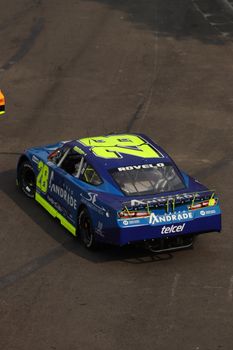
You may be quick in a racing simulator, confident behind the wheel and able to name every major NASCAR track. But does that mean you can submit an application and become a NASCAR driver? Not quite. Professional stock-car racing is built on years of competition, measurable results, industry relationships and financial support. The path is demanding, but it becomes easier to understand when you break it into practical steps.
How Do You Become a NASCAR Driver?
The short answer is that you begin racing at an entry level, develop your skills through increasingly competitive divisions, build a strong record and earn opportunities with established teams. Most drivers start in karting, quarter midgets, Bandolero cars, Legend Cars or another form of local motorsports. Successful racers may progress to late models, NASCAR-sanctioned local competition, regional series and eventually one of NASCAR’s three national series.
There is no guaranteed timeline. Some drivers begin as children, while others enter organized racing later through local tracks, driving schools, simulation racing or family-owned teams. Starting young can provide more development time, but advancement depends on performance, preparation, funding and access to suitable opportunities.
Is a College Degree Required?
NASCAR drivers generally do not need a specific college degree. Teams are primarily interested in driving ability, race results, technical feedback, professionalism and marketability. However, completing high school is important, and additional education can strengthen a driver’s career.
Useful subjects include mathematics, physics, automotive technology, engineering, business, communications and marketing. Drivers must understand vehicle behavior, communicate with crew chiefs, review performance data and represent sponsors. Business knowledge is especially valuable because many developing racers must manage budgets, contracts, travel and promotional commitments.
A degree or technical credential also provides career options if professional racing does not work out. Motorsports includes mechanics, engineers, fabricators, spotters, marketing specialists, officials and team managers. People interested in other professional driving roles may also want to explore education and opportunities in school bus driver careers.
Start With Entry-Level Racing
Your first goal should be gaining real competition experience in a controlled environment. Look for kart tracks, short tracks, youth racing organizations or amateur motorsports clubs in your area. Before buying a vehicle, attend several events and talk with competitors about equipment, rules and seasonal expenses.
Rental kart leagues and beginner racing schools can provide relatively accessible introductions. As you gain experience, choose a division that matches your age, budget and local opportunities. Regular competition teaches skills that casual driving cannot, including starts, restarts, passing, defending position, managing tires and responding to changing track conditions.
Keep accurate records of your starts, finishes, qualifying results and mechanical problems. Video footage and data can help you identify mistakes and demonstrate your abilities to coaches, teams and potential sponsors.
Develop the Skills Teams Look For
Car control and racecraft
Speed matters, but teams also value consistency and judgment. A promising driver knows how to race closely without causing unnecessary damage. You must learn to identify grip, adjust your driving line, conserve equipment and make smart decisions under pressure.
Technical communication
A driver is part of a larger team. After practice, you must describe what the vehicle is doing in useful terms. Clear feedback about braking, steering, balance and traction helps the crew make effective adjustments.
Physical and mental conditioning
Racing demands sustained concentration, coordination and physical control in a hot, noisy environment. Drivers commonly train for cardiovascular fitness and strengthen the neck, shoulders, core and legs. Sleep, hydration and recovery also affect concentration and reaction. Any medical symptoms following a crash, particularly possible head-injury symptoms, should be reported and evaluated rather than ignored.
Professional behavior
Teams and sponsors notice how drivers behave away from the track. Arriving prepared, respecting officials, avoiding reckless conduct and communicating well with fans all influence future opportunities. Public speaking, interviews and responsible social media use are now normal parts of the job.
Build a Racing Resume and Personal Brand
Create a concise racing resume that includes your contact information, competition history, major results, training and media coverage. Add professional photographs and a short biography. Your materials should make it easy for a team or sponsor to understand your experience and goals.
Sponsorship proposals should focus on what you can provide, not simply how much racing means to you. A business may want community visibility, social media content, event appearances or access to a particular audience. Begin with local companies and propose realistic packages supported by a clear season budget.
Sim racing can also support development by helping you practice tracks, race strategy and decision-making. It should complement real-world competition rather than replace seat time, mechanical knowledge and in-person networking.
Move Through the NASCAR Development Ladder
Once you have demonstrated success locally, look for opportunities in more powerful cars and stronger fields. The exact route varies, but a common progression includes:
- Karting, quarter midgets or beginner oval racing
- Bandolero or Legend Cars
- Street stocks, modifieds or late models
- NASCAR-sanctioned local racing
- ARCA Menards Series or other regional competition
- NASCAR Craftsman Truck Series
- NASCAR O’Reilly Auto Parts Series
- NASCAR Cup Series
NASCAR describes its local and regional divisions as important proving grounds for developing drivers. You can use the official NASCAR Regional racing resource to learn about tracks, series and competition within that pathway.
Moving up should be based on readiness, not only ambition. A driver who advances before learning racecraft may struggle, damage equipment and lose industry confidence. Strong results in a lower division are often more valuable than poor results in a higher one.
Obtain the Appropriate Membership and License
Participating in NASCAR-sanctioned competition requires the appropriate membership, credentials and competition approval. Requirements can differ by series, track, vehicle and driver age. Approval may consider experience, previous results and whether the driver can safely compete at that level.
Contact the track or series before making financial commitments. Ask about licensing, minimum experience, safety equipment, medical documentation, vehicle specifications and testing requirements. A license does not automatically provide a team, race car or starting position; it confirms eligibility to participate under applicable rules.
Understand the Financial Side
Developing a racing career can involve vehicle costs, tires, fuel, entry fees, repairs, safety equipment, transportation and crew expenses. Prepare a written budget before committing to a season. Used equipment, shared resources and limited schedules may help control early costs, but safety equipment and proper maintenance should never be treated as optional.
As drivers advance, funding may come from family resources, personal income, sponsors, team support or development programs. Talent is essential, but reliability with money and sponsor obligations can determine whether a driver remains on track.
A Practical First-Year Plan
- Visit local tracks and identify beginner divisions.
- Complete a reputable racing school or supervised test session.
- Enter an affordable series and compete consistently.
- Study race footage and request feedback from experienced drivers.
- Follow a sensible fitness and recovery routine.
- Document results and create a professional racing resume.
- Build relationships with teams, track officials and local businesses.
- Review progress before moving into a faster or more expensive division.
Becoming a NASCAR driver is less like applying for an ordinary job and more like building a competitive business around your athletic ability. Start locally, learn from every race and advance only when your performance shows that you are ready. Skill opens the first door, but consistency, funding, teamwork and professional conduct help keep it open.