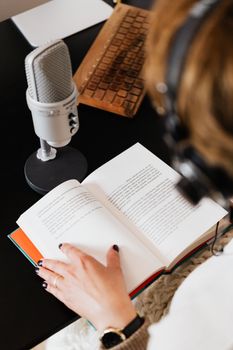
You read a page aloud and think, “I have a pleasant voice—could I narrate audiobooks?” Then you try recording the same page and hear uneven pacing, mouth noises, or a character voice that changes halfway through. This is normal. Successful narration depends less on having a naturally dramatic voice and more on developing consistent performance, interpretation, recording, and editing skills.
If you are wondering how to become an audiobook narrator, start by treating narration as both acting and audio production. You must hold a listener’s attention, communicate the author’s meaning, and deliver clean files that meet a client’s requirements. You can begin at home, but building professional ability takes focused practice and patience.
What Does an Audiobook Narrator Actually Do?
An audiobook narrator turns written material into a clear, engaging listening experience. Before recording, the narrator studies the manuscript, identifies characters, researches unfamiliar pronunciations, and decides how the tone should change across scenes or chapters.
During production, the narrator records the text accurately while maintaining natural pacing, consistent volume, and believable emotion. Depending on the agreement, the narrator may also edit mistakes, reduce unwanted noise, organize chapter files, and prepare the final audio for submission.
Audiobook narration is therefore different from casually reading aloud. A professional must reproduce sentences when corrections are needed, keep character voices consistent over many hours, and follow directions from authors, publishers, or producers.
Develop the Core Narration Skills
Practice clear, conversational delivery
Listeners should be able to follow the story without becoming distracted by the performance. Practice reading as though you are speaking directly to one interested person rather than addressing a large audience. Avoid forcing a “radio voice,” overacting every sentence, or using exaggerated pauses.
Record short passages from different genres, including fiction, memoir, history, self-help, and children’s literature. Listen for rushed phrases, repeated speech patterns, unclear consonants, distracting breaths, and changes in volume. Recording yourself reveals habits that are difficult to notice while speaking.
Learn to interpret a manuscript
Good narration begins before the microphone is turned on. Read enough of the manuscript to understand its audience, mood, structure, and point of view. In fiction, create notes for each important character, including accent, age, personality, vocal placement, and speaking rhythm.
For nonfiction, focus on clarity and authority without sounding like you are delivering a lecture. Use emphasis to show how ideas connect, but do not add an emotional meaning that the author did not intend.
Improve breath control and vocal stamina
A narrator may spend several hours working to produce a much shorter amount of finished audio. Comfortable posture, controlled breathing, and regular breaks can help prevent fatigue. Warm up gently with relaxed breathing, lip trills, humming, and easy articulation exercises rather than immediately attempting loud or extreme character voices.
Hydration, rest, and sensible voice use also matter. The National Institute on Deafness and Other Communication Disorders recommends avoiding vocal overuse, resting the voice when it is tired or hoarse, and using good breathing techniques. Its guidance on healthy ways to care for your voice is useful for anyone who depends on speaking professionally.
Pain, persistent hoarseness, or increasing difficulty speaking should not be treated as a normal part of training. Stop pushing through the discomfort and consider consulting a healthcare professional. An ear, nose, and throat doctor or a speech-language pathologist may help evaluate ongoing voice problems.
Create a Quiet Home Recording Space
You do not need an expensive commercial studio to begin practicing, but you do need a controlled environment. A high-priced microphone cannot compensate for traffic, air-conditioning noise, computer fans, echoes, or sounds from other rooms.
Choose the quietest available space and reduce hard, reflective surfaces with appropriate sound-absorbing materials. A walk-in closet filled with clothing may work for early practice, although it can become hot or uncomfortable during long sessions. The goal is to capture clean, dry narration without obvious background noise or excessive echo.
A basic setup generally includes:
- A suitable microphone and stable stand
- A pop filter to reduce bursts of air on certain consonants
- Closed-back headphones for careful monitoring
- A computer with recording and editing software
- A quiet, acoustically treated recording area
- A consistent method for backing up project files
Learn microphone technique before buying more equipment. Maintain a repeatable distance and position so that replacement lines sound like the original recording. Turning your head, leaning back, or moving closer during emotional scenes can create noticeable differences in tone and volume.
Learn Basic Audio Editing
Beginning narrators are often expected to provide polished, usable audio rather than raw recordings. Learn how to remove mistakes, insert corrected lines, manage room tone, label files, and export audio in the requested format. You should also understand basic concepts such as input level, clipping, noise floor, and quality control.
Avoid aggressive processing that makes the voice sound unnatural. Clean recording conditions and steady microphone technique are usually more valuable than trying to repair serious problems afterward. If editing is not a skill you want to offer, you may eventually work with an experienced audiobook editor, but that cost should be considered when evaluating a project.
Build Narration Samples That Show Your Range
Create several short samples rather than one long recording. Each sample should demonstrate a specific strength, such as warm nonfiction, suspense, first-person memoir, dialogue, or children’s storytelling. Start with the style that sounds most natural and believable in your voice.
Keep samples clean and focused. A prospective client should hear your narration quickly without sitting through a lengthy introduction or elaborate music. Do not use copyrighted material publicly unless you have permission or the material is in the public domain.
You do not need to imitate every accent or perform dozens of extreme characters. A smaller range delivered confidently and consistently is more useful than a broad range that cannot be sustained through an entire book.
Find Auditions and Gain Experience
Online audiobook marketplaces allow narrators to create profiles, upload samples, review available projects, and submit recorded auditions. You can also look for opportunities through independent authors, small publishers, production companies, voice-over communities, and professional networking.
Follow each audition brief carefully. Research names and unusual terms, match the requested tone, and submit technically clean audio. Rejection is common and does not always mean the performance was poor. The author may simply prefer a different vocal age, accent, energy, or interpretation.
Early projects can help you establish credits, testimonials, and reliable production habits. However, examine the manuscript length, deadline, payment structure, revision terms, and expected editing duties before accepting. One finished hour of audio can require several hours of recording, corrections, editing, and review.
Treat Narration as a Professional Service
Reliability can be as important as vocal talent. Communicate clearly, meet deadlines, name files correctly, and keep organized notes about character choices and pronunciations. Clarify how corrections will be handled and what happens if the author changes the manuscript after recording begins.
If you are still comparing career directions, researching the daily responsibilities and training involved in different fields—such as career opportunities in building inspection—can help you decide whether freelance creative work suits your strengths and preferred lifestyle.
A Practical Way to Get Started
Begin with a daily practice routine of 15 to 30 minutes. Record a short passage, listen critically, make notes, and record it again. Gradually increase the length of your sessions while protecting your voice. At the same time, learn basic editing and improve the acoustics of your recording space.
Once you can produce consistent audio, prepare several targeted samples and begin submitting auditions that suit your natural style. The clearest answer to how to become an audiobook narrator is to build the craft in stages: learn to interpret text, strengthen your vocal technique, understand audio production, create professional samples, and gain experience one carefully chosen project at a time.