You may be considering nursing because you want meaningful work, reliable income, or a career that offers more than one path. At the same time, you may have heard about long shifts, stressful situations, and demanding coursework. So, is nursing a good career? For many people, yes—but it is most rewarding when your abilities, expectations, and preferred lifestyle match the realities of the job.
The short answer: Nursing can be an excellent career
Nursing offers several advantages that are difficult to find in one profession: competitive pay, strong employment prospects, varied work environments, and opportunities to advance. Registered nurses also perform work that directly affects patients and families, whether they are providing bedside care, teaching someone how to manage an illness, coordinating treatment, or supporting recovery after surgery.
Current U.S. Bureau of Labor Statistics information about registered nurses reports a median annual wage of $97,550 as of May 2025. RN employment is projected to grow 6% from 2025 to 2035, with approximately 180,800 openings expected each year on average. Actual pay and job availability vary by location, education, experience, specialty, employer, and schedule.
However, income and demand do not automatically make nursing the right career for everyone. Nurses must combine technical knowledge with communication, physical stamina, emotional resilience, and careful decision-making. Understanding both sides of the profession can help you make a realistic choice.
What makes nursing a good career?
You can make a visible difference
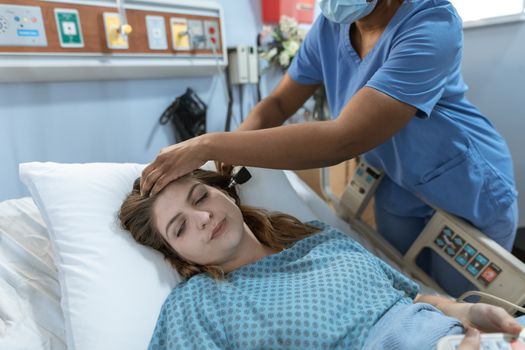
Nurses often spend more time with patients than many other members of the healthcare team. They monitor changes, administer medications, perform treatments, explain care instructions, and communicate concerns to other professionals. A nurse may notice a subtle symptom, help a frightened patient understand a procedure, or teach a family how to provide safe care at home.
The results are not always immediate or dramatic, but the work has a clear purpose. People who value service, problem-solving, and human connection may find that especially satisfying.
The profession offers many work settings
Nursing is not limited to hospital bedside care. Depending on your education, license, experience, and specialty, you may work in:
- Hospitals and emergency departments
- Physicians’ offices and outpatient clinics
- Schools, colleges, or community health programs
- Home healthcare and hospice services
- Nursing and residential care facilities
- Public health agencies
- Insurance, case management, or quality improvement
- Research, education, administration, or healthcare technology
This variety can make nursing more adaptable than careers tied to one type of workplace. If bedside nursing eventually becomes a poor fit, experience and additional training may allow you to move into another role rather than leave healthcare entirely.
There is room to advance
Registered nurses can develop expertise in areas such as critical care, pediatrics, oncology, mental health, operating-room nursing, labor and delivery, or infection prevention. Experienced nurses may move into management, education, consulting, clinical research, or care coordination.
Graduate education can lead to advanced practice roles, including nurse practitioner, nurse midwife, clinical nurse specialist, or nurse anesthetist. These paths require additional schooling, certification, and state licensure, but they can provide greater clinical responsibility and earning potential.
What are the disadvantages of nursing?
Nursing can be fulfilling, but it is not an easy career. In hospitals and other facilities that provide continuous care, nurses may work nights, weekends, holidays, or rotating shifts. Some positions involve being on call, and busy shifts may not follow a predictable routine.
The work can also be physically demanding. Nurses frequently stand, walk, bend, reach, and help reposition or move patients. Without appropriate equipment, training, and assistance, patient handling can contribute to back and other musculoskeletal injuries. Following safe-lifting procedures and evaluating an employer’s safety culture are important.
Nurses may also encounter infectious diseases, needles, hazardous medications, cleaning chemicals, and other workplace exposures. Healthcare facilities use precautions, protective equipment, and safety protocols to reduce these risks, but nurses must follow them consistently.
The emotional demands deserve equal attention. Nurses care for people experiencing pain, disability, uncertainty, and death. Heavy workloads, long hours, insufficient recovery time, and repeated exposure to distress can contribute to fatigue, stress, and burnout. Supportive leadership, appropriate staffing, teamwork, rest, and access to mental health resources can make a substantial difference, but no nursing position is completely free from pressure.
Who is likely to enjoy nursing?
You do not need to be fearless, endlessly outgoing, or perfect under pressure. Good nurses have different personalities. However, the career may fit you well if you are willing to:
- Learn detailed scientific and clinical information
- Communicate respectfully with people from varied backgrounds
- Remain attentive while handling several priorities
- Ask questions and accept constructive feedback
- Work as part of a team
- Respond calmly when circumstances change
- Perform hands-on care involving blood, wounds, or bodily fluids
- Maintain professional boundaries while showing compassion
If you prefer highly predictable work, dislike frequent interpersonal contact, or struggle with the physical and emotional realities of patient care, some nursing positions may feel draining. Non-bedside roles can be different, but most require clinical education and experience first.
How difficult is it to become a nurse?
The path depends on the license you want. Licensed practical or vocational nurses complete an approved practical nursing program and meet state licensing requirements. Registered nurses commonly earn an associate degree, bachelor’s degree, or nursing diploma through an approved program. Graduates must then satisfy their state board’s requirements and pass the appropriate licensing examination.
Nursing school typically includes science courses, skills laboratories, exams, and supervised clinical education. Prerequisites may include anatomy, physiology, microbiology, chemistry, psychology, and statistics, although requirements vary by school. If you are preparing to apply, learning how to complete and succeed in nursing prerequisites online can help you plan your first steps.
Before enrolling, confirm that the program is approved for licensure in the state where you intend to practice. Compare tuition, graduation rates, clinical placement arrangements, licensing-exam performance, scheduling, and available student support. Nursing education is a major commitment, so the cheapest or fastest option is not automatically the best one.
How can you decide whether nursing is right for you?
Try to observe the profession before committing. Speak with nurses in more than one specialty, attend a program information session, volunteer in a healthcare setting, or explore an entry-level patient-care role if appropriate. Ask nurses what a typical shift involves, what they find rewarding, and what they wish they had known before starting.
Also consider your preferred schedule, financial plan, physical capabilities, family responsibilities, and tolerance for uncertainty. A hospital nurse, school nurse, home-health nurse, and clinic nurse can have very different daily experiences.
So, is nursing a good career for you?
Nursing is a good career for people who want purposeful work, value career flexibility, and can manage significant academic, physical, and emotional demands. It can provide strong pay, broad employment options, and lifelong opportunities to learn and advance.
It is not a guaranteed path to easy work or effortless job satisfaction. The best decision comes from looking beyond the positive headlines and considering how nursing would fit your abilities and everyday life. If you understand the challenges and still feel drawn to patient care, nursing may be a highly worthwhile career choice.