
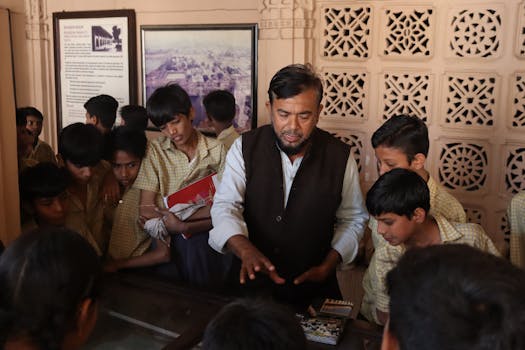
Incorporating effective group activities for high school history class can significantly enhance students’ learning experiences. By engaging students through collaborative exercises, teachers can promote deeper understanding and retention of historical content. This approach not only makes history lessons more dynamic but also builds essential skills such as teamwork, critical thinking, and communication.
Benefits of Group Activities for High School History Class
Group activities foster a more interactive and engaging classroom atmosphere. They enable students to explore different perspectives, encourage peer-to-peer teaching, and develop a sense of community. Moreover, these activities often lead to a deeper understanding of historical events and themes as students work together to analyze and synthesize information.
Type of Group Activities
There is a wide range of group activities that can be incorporated into a history curriculum. Here are a few effective styles that have proven successful in high school classrooms:
- Debates: Allowing students to take different sides of a historical argument can deepen their understanding of various viewpoints and the complexities of historical events.
- Role-Playing: Students take on the roles of historical figures and reenact significant events, providing a first-person perspective on historical narratives.
- Project-Based Learning: Engaging students in projects related to historical themes encourages in-depth research and collaborative effort.
- Peer Teaching: Assign students to small groups to research a topic and then teach their findings to the class, fostering responsibility and confidence.
- Simulations: Create scenarios where students must respond to historical events, allowing them to actively participate in problem-solving and decision-making.
Implementing Group Activities
To effectively implement group activities, planning is crucial. Teachers should ensure that the activity aligns with curricular goals and learning outcomes. Providing clear instructions and expectations will help students stay focused and productive. Additionally, it’s important to consider group dynamics and distribute students in ways that promote a balanced and inclusive learning environment.
Assessment strategies should be in place to evaluate the contributions of each group member. Consider using rubrics or peer evaluations to ensure fair assessment. The feedback process is also critical, giving students a chance to reflect on their performance and learn from the experience.
Example Activity: Historical Debate
Organize a debate on a pivotal historical decision or event, such as the drafting of the U.S. Constitution. Divide the class into groups representing different stakeholders of that time. Each group prepares arguments based on historical texts and evidence. This not only develops their argumentation skills but also helps them appreciate the complexities of decision-making in historical contexts.
Example Activity: Timeline Projects
Assign students to create a timeline of events leading up to a significant historical milestone. In groups, students can research, organize data chronologically, and present their findings creatively using digital tools or traditional materials. This helps them understand the progression of events and their interconnectivity.
Resources for Incorporating Group Activities
There are numerous resources available to aid in planning and executing group activities in history classes. Websites like census.gov provide historical data that can be used for research projects. Furthermore, collaborating with colleagues and participating in professional development workshops can offer new insights and ideas for group activities.
For more insights into the educational applications, explore our article on varied approaches in teaching religious history.
Teachers can also look into educational platforms and forums for shared lesson plans that integrate group activities effectively.
- Group activities encourage collaboration and communication.
- Practical applications include debates, role-plays, and projects.
- Resources like Wikipedia’s educational section can provide additional data and support.
- Planning and clear instructions are key to successful implementation.
- Assessment and reflection should be integral to group activities.
FAQs
What are some key benefits of group activities in history class?
Group activities enhance engagement, improve retention, develop teamwork skills, and encourage critical thinking by allowing students to explore different perspectives and actively participate in learning.
How can I assess individual contributions within group activities?
Use rubrics, peer evaluations, and self-assessment as tools to accurately gauge each student’s participation and learning, ensuring that all students are held accountable for their contributions.
What is a good starter group activity for beginners?
Role-playing can be an accessible way to start, as it offers a structured, yet creative platform for students to delve into historical events and figures, requiring minimal preparatory knowledge.
How do group activities support the curriculum?
Group activities align with learning objectives by reinforcing content knowledge, fostering critical skills, and offering diverse methods for content exploration, thereby enhancing overall comprehension.
How should I manage group dynamics?
Be mindful of balancing personalities and skills within groups, clearly define roles and expectations, and encourage open communication to ensure all members contribute and benefit from the activity.

