
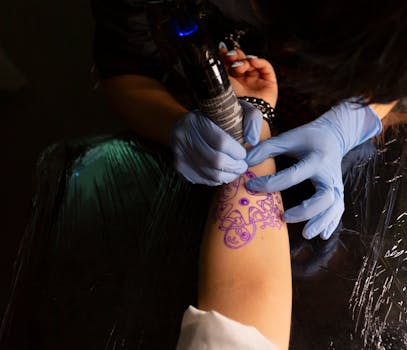
If you’re curious about how to get started as a tattoo artist, you’re not alone. Aspiring tattoo artists face a rich and varied journey that includes honing artistic skills, gaining knowledge about health and safety, and navigating apprenticeships. In this guide, we’ll explore the steps to jumpstart your career in tattooing, touch on essential skills, and highlight opportunities for education and growth.
How to Get Started as a Tattoo Artist
Getting started in the tattoo industry has become increasingly structured over the years, requiring both creativity and professionalism. Aspiring tattooists should consider formal art education as a foundation. Courses in fine arts can enhance your drawing skills and understanding of visual aesthetics. You’ll find various scholarships for art students that can ease the financial burden of acquiring an education.
Apprenticeships are vital to learning the art of tattooing, offering on-the-job training under the guidance of experienced tattoo artists. These programs teach the technical aspects of tattooing, including machine maintenance, ink handling, and client care. Research and approach reputable tattoo parlors in your area to find available apprenticeship opportunities.
Essential Skills and Techniques
Developing a strong set of art skills is essential for any tattoo artist. Practice drawing and sketching on a variety of mediums. Create a diverse portfolio that showcases your versatility and personal style. Your portfolio is often your calling card in the tattoo industry, offering potential clients and mentors a glimpse into your artistic abilities.
Understanding the significance of hygiene and safety is critical. Learn about cross-contamination prevention and skin anatomy. Familiarize yourself with local licensing regulations, as many areas require tattoo artists to be certified in methods that protect client health and safety.
Building a Professional Network
Networking is an invaluable tool in the tattoo industry. Attend tattoo conventions, workshops, and art shows to meet tattoo artists and enthusiasts. Connect with peers and mentors through these platforms to gain insights, advice, and potential job opportunities.
Social media can be a powerful tool for establishing your brand and showcasing your work. Platforms like Instagram and Pinterest are popular among tattoo artists for sharing design ideas, engaging with followers, and drawing potential clients.
Pursuing Continuous Learning
Tattoo artists are lifelong learners. Trends and techniques evolve constantly, making continuous education essential. Attend seminars on new technology in tattooing, such as machine innovations or cutting-edge ink compositions. Consider specializing in niche areas like watercolor or portrait tattoos, which allows for differentiation in a competitive market.
Joining professional organizations offers access to valuable resources and networking opportunities. Organizations like the Tattoo Artists Guild advocate for the interests of tattooists worldwide and offer ongoing workshops and certifications.
Understanding the Business Aspect
While artistry is a significant part of being a tattoo artist, understanding the business side is equally important. Learn about marketing, accounting, and client management. Many tattoo artists eventually open their own studios, which requires robust business knowledge.
Consider taking online courses in business management tailored for creative professionals. By understanding market demand and client preferences, you can align your services to meet their expectations.
For comprehensive information on art and vocational education, explore available resources on Wikipedia’s Education page.
Takeaways
- Pursue fundamental art education and create a strong portfolio.
- Secure an apprenticeship to learn technical and client care skills.
- Network with professionals and use social media to build your brand.
- Stay updated with industry trends and technological advancements.
- Understand the business aspects of running a tattoo studio.
FAQ
What qualifications do I need to become a tattoo artist?
While formal qualifications aren’t always necessary, a strong foundation in art and an apprenticeship under an experienced tattooist are highly recommended.
How long does it take to complete a tattoo artist apprenticeship?
Apprenticeships typically last between 1 and 3 years, varying based on the studio and mentor agreement.
How do I build a strong portfolio?
Include diverse art styles in your portfolio, focusing on your best work. Continuously update it with new pieces that reflect your growth and versatility.
How should I choose a tattoo studio for an apprenticeship?
Research studios with positive reputations and experienced artists. Visit the studios to ensure they maintain high standards of hygiene and professionalism.
Is there financial aid available for aspiring tattoo artists?
Yes, you can explore various financial aid options, including scholarships for art students, to support your education journey.

