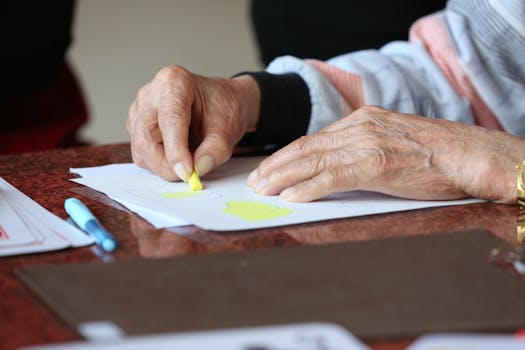
In today’s evolving landscape of mental health care, understanding the role and impact of various therapeutic approaches is crucial. Many are curious about what does an art therapist do and how they contribute to healing and mental well-being. Art therapy is a form of expressive therapy that uses art materials, such as paints, chalk, and markers, allowing individuals to express themselves creatively. But beyond the canvas, art therapists facilitate much deeper emotional and psychological exploration, providing support to those seeking mental health care.
What Does an Art Therapist Do?
Art therapists are trained mental health professionals who utilize the creative process of art-making to improve and enhance the physical, mental, and emotional well-being of individuals. They work with clients of all ages, helping them to explore feelings, reconcile conflicts, foster self-awareness, and manage behaviors. Unlike traditional talk therapy, art therapy leverages the nonverbal aspects of communication, which can be particularly beneficial for those who have difficulty expressing themselves through words alone.
Art therapists collaborate with clients in various settings, including hospitals, schools, forensic facilities, and private practice. Their interventions can help address issues such as stress, anxiety, depression, trauma, and cognitive decline. Central to an art therapist’s role is creating a safe and supportive environment where individuals feel free to explore their innermost thoughts and emotions.
Key Techniques and Methods
Art therapy techniques vary, tailored to meet each individual’s unique needs. Common methods include drawing, painting, sculpting, and collage-making. An art therapist guides clients through these processes, helping them interpret the images or symbols they create. This process can reveal hidden emotions and insights into personal problems, promoting healing and growth.
Additionally, art therapists often integrate other therapeutic approaches, such as cognitive-behavioral therapy (CBT) or mindfulness practices, enhancing their interventions’ effectiveness. This holistic approach not only nurtures emotional well-being but also supports cognitive development and physical coordination.
The Benefits of Art Therapy
The benefits of art therapy are extensive, with research highlighting its positive effects on emotional resilience and mental clarity. For instance, art therapy can reduce stress, alleviate symptoms of depression, and improve interpersonal skills. Many find the process cathartic, experiencing breakthroughs and moments of self-discovery.
Art therapy also provides an avenue for storytelling, allowing individuals to narrate their life experiences and build a sense of identity. It encourages problem-solving skills and boosts self-esteem by allowing individuals to create something tangible and meaningful.
Training and Education for Art Therapists
Becoming an art therapist involves extensive education and training. Prospective art therapists typically need a master’s degree in art therapy or a related field, coupled with supervised clinical experience. Coursework includes psychology, human development, therapeutic aspects of art, and psychotherapy theories.
Licensure or certification varies by region, but most places require art therapists to be registered or licensed to practice. Continuing education and professional development are also vital in this field to stay current with evolving therapeutic techniques and research.
If you’re considering a career in this field, studying at a reputable institution can be invaluable. Check out our guide to the best art schools in Europe offering relevant programs.
Exploring the Impact: Art Therapy in Different Contexts
Art therapy’s impact extends into numerous fields beyond traditional mental health care. In schools, art therapists support students struggling with emotional or behavioral challenges. In hospitals, they assist patients with chronic illnesses, helping mitigate pain and adjust to prolonged treatment routines.
Moreover, art therapy is increasingly used in community practices, addressing cultural and social issues. It can offer a voice to marginalized groups and serve as a tool for advocacy and change, fostering social cohesion and inclusivity.
Future Directions and Research
The field of art therapy continues to grow, with ongoing research exploring its applications and efficacy. Studies indicate promising results in treating PTSD and other trauma-related disorders. More research is encouraged to better understand how art therapy can be integrated with digital tools and technologies, potentially reaching wider audiences through online platforms.
The future of art therapy looks bright, with a continuous push toward evidence-based practice and community-based approaches. Art therapists are pivotal in shaping therapeutic landscapes, advocating for creative expression’s power in healing and transformation.
Art Therapy Resources and Further Reading
For those interested in deepening their understanding of art therapy, numerous resources are available. The American Art Therapy Association offers insights and educational materials, while scholarly journals publish recent studies and developments. For a general overview of educational practices, you can visit the Wikipedia page on Education to better understand the educational context in which art therapy operates.
In conclusion, the role of art therapists is vital in modern mental health care. Understanding what does an art therapist do offers insight into how creative processes can profoundly support individuals’ well-being. As awareness and integration of art therapy grow, it remains an intriguing and beneficial field worth exploring.
- Art therapists help individuals express emotions through creative processes.
- They work in diverse settings like schools, hospitals, and private practices.
- Art therapy can reduce stress, enhance self-awareness, and manage mental health issues.
- Extensive education and training are required to become an art therapist.
- Future research and innovation continue to expand the field’s boundaries.
What qualifications does an art therapist need?
Art therapists typically require a master’s degree in art therapy or a related field, supervised clinical experience, and often specific licensure or certification based on regional requirements.
How does art therapy differ from traditional therapy?
Unlike traditional talk therapy, art therapy uses creative processes to aid nonverbal communication, helping individuals express and process emotions they may find difficult to verbalize.
Can art therapy help with trauma-related disorders?
Research supports the efficacy of art therapy in treating trauma-related disorders, offering affected individuals a means to explore their emotions and experiences creatively.
Where are art therapists typically employed?
Art therapists can be found in various settings, including mental health clinics, hospitals, educational institutions, elder care facilities, and private practice.
Is art therapy effective for children?
Art therapy is particularly beneficial for children, as it facilitates expression for those who may struggle with verbal communication, helping address emotional and behavioral challenges.