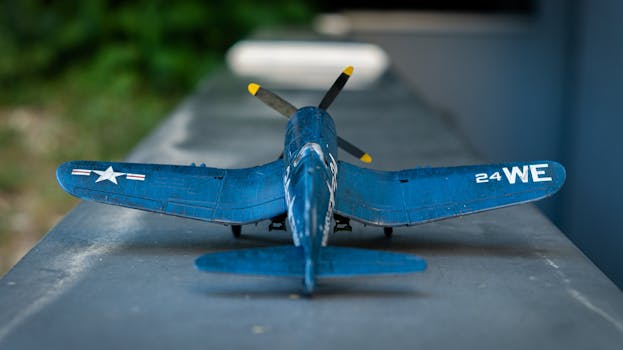
Building an airplane with popsicle sticks is a fantastic way to engage both creativity and engineering skills. This activity is not only fun but also educational, as it helps participants understand basic principles of aerodynamics and construction techniques. Whether you are a teacher looking to enrich your classroom activities or a parent hoping to inspire your child’s interest in aviation, this guide will set you on the right course.
Why Create an Airplane with Popsicle Sticks?
Crafting an airplane with popsicle sticks offers numerous benefits. It is a hands-on project that stimulates problem-solving and critical thinking. Additionally, it can be a cost-effective and accessible way for individuals of all ages to learn about the mechanics of flight. Using simple materials like popsicle sticks, glue, and rubber bands, you can create a model that is both educational and entertaining.
Materials Needed
- Popsicle sticks
- Glue (hot glue or wood glue recommended)
- Scissors
- Rubber bands
- Paint and paintbrushes for decoration
- Paper or lightweight cardboard for wings and tail
Steps to Build Your Airplane with Popsicle Sticks
Here’s a step-by-step guide to creating your own popsicle stick airplane:
1. Assemble the Frame
Start by arranging the popsicle sticks to form the body of the airplane. For a basic model, use two sticks parallel to each other for the fuselage, and connect them with other sticks to form a ladder-like structure. Secure the joints with glue and allow them to dry thoroughly.
2. Create the Wings and Tail
Cut pieces of paper or lightweight cardboard to create the wings and tail. Attach these to the body using glue. Ensure that the wings are evenly spaced on either side to maintain balance.
3. Add the Propeller
Using a rubber band, attach a small popsicle stick or a carved section of one to the front of the airplane as a propeller. Twist the rubber band and release to see the propeller spin, simulating the mechanics of a real airplane.
4. Decorate Your Airplane
Once your airplane structure is complete, use paint to decorate it. This step allows for creativity and personalization, making each model unique.
Enhancing the Learning Experience
Building a popsicle stick airplane can serve as a gateway to broader educational opportunities. Discuss the concepts of lift, drag, and thrust, and how they affect flight. Compare your model to real airplanes and observe similarities and differences. Consider exploring more comprehensive projects or even introducing the basics of aviation engineering.
Applications in Education
Incorporating popsicle stick models into educational settings can enhance lesson plans in science, technology, engineering, and math (STEM). Students can conduct simple experiments to understand balance and stability by adjusting their designs. For helpful professional tips and career advice related to education, you might find this article on career paths particularly insightful.
Safety Tips
- Ensure that children use scissors and glue under adult supervision.
- Choose non-toxic, quick-drying glue for easier handling.
- Handle sharp objects, including pointed popsicle stick edges, with care.
Further Resources and Learning Opportunities
For those interested in expanding their understanding of aerodynamics and aviation, numerous resources are available. Engaging in related hobbies, such as model rocket building or drone flying, can further enhance one’s knowledge. Check credible resources like Wikipedia’s page on Education for more structured educational topics.
Takeaways
- Building an airplane with popsicle sticks is an educational and creative project.
- The craft introduces basic principles of engineering and flight.
- It can be used in educational contexts to support STEM learning.
- Projects like these are accessible and affordable for all age groups.
- Further learning opportunities exist beyond basic model building.
FAQ
How can building an airplane with popsicle sticks be educational?
This activity teaches foundational concepts of physics and engineering, such as balance, symmetry, and stability, all of which are important principles in understanding flight.
Do I need any special tools to build a popsicle stick airplane?
Basic supplies such as popsicle sticks, glue, scissors, and rubber bands are all you need. Additional materials like paint are optional for decoration.
What age group is suitable for this craft?
This project is ideal for school-aged children and up, though adult supervision is recommended for younger crafters.
Can this project be part of a school curriculum?
Absolutely. It can be integrated into STEM-focused activities, encouraging students to explore aviation concepts through hands-on learning.
Where can I find more resources to enhance learning?
Explore educational platforms, libraries, or websites like Wikipedia for more information on related topics. These can provide valuable insights and additional educational support.