
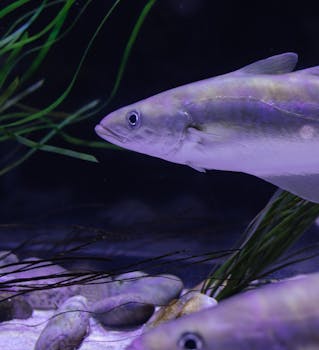
As you embark on the fascinating journey of becoming a marine biologist, a key aspect to consider is what education is needed to become a marine biologist. This career path is not only intriguing and rewarding but also requires specific educational qualifications and expertise in several scientific areas. In this article, we will delve into the educational path and qualifications necessary to thrive in this captivating field.
Understanding What Education Is Needed to Become a Marine Biologist
To make a successful career in marine biology, one typically needs to obtain a bachelor’s degree in marine biology or a closely related field such as biology, environmental science, or oceanography. This foundational education provides the basic scientific skills and knowledge required in the field. During undergraduate studies, students are encouraged to take courses in ecology, biology, and chemistry, as well as practical courses that involve fieldwork.
Pursuing Advanced Degrees for Specialized Roles
While a bachelor’s degree may be sufficient for entry-level positions, many marine biologists further their education with a master’s degree or a Ph.D., particularly if they are interested in conducting research or teaching at the university level. A master’s degree allows for specialization in specific areas of marine biology, while a Ph.D. typically focuses on intensive research, enabling one to become an expert in a particular sub-discipline.
Graduate programs often emphasize advanced research skills, with students undertaking independent projects or participating in larger research endeavors. These programs often require students to contribute original research that can lead to significant advancements within the field.
The Importance of Gaining Practical Experience
Hands-on experience is crucial for aspiring marine biologists. Internships, volunteer opportunities, and cooperative education programs allow students to apply their classroom knowledge to real-world situations. Fieldwork experience is especially valuable as it provides insight into the realities of working in diverse marine environments.
Networking with professionals in the field during these experiences can also provide valuable career advice and open doors to future job opportunities. Participating in workshops, conferences, and seminars related to marine biology is another effective way to form constructive professional relationships.
Accreditation and Choosing the Right Program
When selecting an educational program, it’s essential to ensure that the institution is accredited, which can influence future career prospects. Accredited programs are recognized for meeting high educational standards, and their qualifications are widely accepted by employers. Check out these online accredited biology classes that can offer a strong foundation for your marine biology career.
The Role of Continued Education and Professional Growth
Marine biology is an ever-evolving field, with continuous advancements in technology and scientific understanding. Engaging in continued education through workshops, certifications, and short courses is vital to staying updated with the latest developments and research methodologies in marine science.
Additionally, communicating effectively and staying informed about environmental policies can significantly enhance a marine biologist’s impact. This includes understanding global conservation efforts and the role of marine biology in mitigating environmental challenges.
Takeaways
- A bachelor’s degree in marine biology or a related field is essential for entry-level positions.
- Advanced degrees allow for specialization and are crucial for research and academic careers.
- Practical experience through internships and fieldwork is vital for success.
- Accreditation of educational programs can influence career prospects.
- Continued education is important in keeping up with advances in the field.
Frequently Asked Questions
What kind of bachelor’s degree is best for someone interested in marine biology?
A bachelor’s degree in marine biology is ideal, though related fields such as biology, environmental science, or oceanography can also pave the way for a career in marine biology.
Is it necessary to obtain a Ph.D. to work in marine biology?
A Ph.D. is not always necessary, but it is beneficial for those interested in research-intensive roles or academic positions. It allows for deep specialization and contribution to scientific advancements.
How can practical experience benefit aspiring marine biologists?
Practical experience through internships, fieldwork, and volunteer opportunities provides invaluable hands-on skills and networking opportunities that are crucial for career advancement.
Are online courses a viable option for studying marine biology?
Yes, online courses can be a convenient and effective way to gain an education in marine biology. It’s crucial, however, to ensure that these programs are accredited to maintain high educational standards.
Where can I find more information about becoming a marine biologist?
For more information, consider visiting reputable educational websites or resources like this Wikipedia page on educational requirements that provide insights into the profession.
Understanding what education is needed to become a marine biologist is the first step towards a rewarding career in this field. With a blend of formal education, practical experience, and continued learning, aspiring marine biologists can navigate their way to success in this essential and impactful career. Always remember, the depths of the oceans are rich with mysteries waiting to be uncovered, and your journey in marine biology could be the key to unlocking them.

