
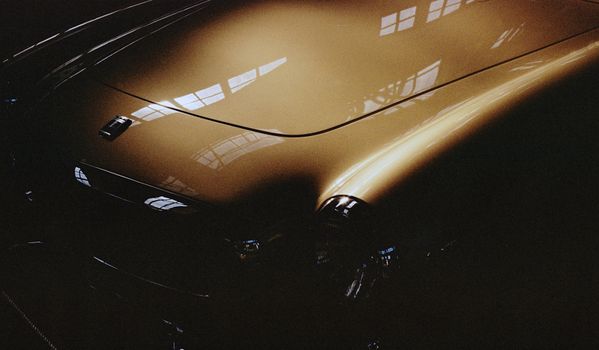
You may be the person who notices a car’s roofline, dashboard layout, or headlights before checking its horsepower. Perhaps you sketch vehicles in notebooks and wonder whether that interest could become a career. An automotive designer helps shape how vehicles look, feel, function, and communicate their purpose—but the job involves much more than drawing attractive cars.
Automotive design combines creativity with engineering awareness, user research, digital technology, and practical problem-solving. Designers must consider who will use a vehicle, how it will be manufactured, what it should cost, and whether the concept fits the manufacturer’s brand. Understanding the work environment and qualifications can help you decide whether this competitive field matches your abilities and goals.
What Does an Automotive Designer Do?
An automotive designer develops concepts for cars, trucks, motorcycles, public transportation, and other mobility products. Some designers work on complete vehicles, while others specialize in a particular area.
- Exterior designers create a vehicle’s overall shape, proportions, surfaces, lights, grille, and other visible features.
- Interior designers plan cabins, seating areas, storage, controls, materials, and the relationship between occupants and the vehicle.
- Color, materials, and finish designers select paints, fabrics, plastics, metals, textures, and trim.
- User experience designers help develop displays, controls, information systems, and other driver or passenger interactions.
- Digital and physical modelers turn sketches into three-dimensional models that teams can study and refine.
A typical project begins with research and a design brief. The designer may study customer needs, competing vehicles, cultural trends, new technology, and the identity of the brand. Early ideas are communicated through sketches and digital renderings. Selected concepts then become detailed computer models or physical prototypes.
Automotive designers collaborate with engineers, manufacturing specialists, market researchers, modelers, and business teams. A dramatic concept may need to change because of visibility requirements, production costs, aerodynamics, passenger space, or the location of mechanical components. Good designers treat these limits as design problems rather than barriers to creativity.
What Is the Work Environment Like?
Most automotive designers spend much of their time in professional design studios or offices. These spaces commonly include computers, drawing equipment, presentation areas, digital visualization tools, and workshops for building models. Depending on the employer and project, designers may also visit engineering departments, prototype facilities, factories, testing locations, supplier offices, or automotive events.
The work is highly collaborative. Designers regularly present concepts, receive criticism, and revise ideas. Several people may explore solutions for the same assignment before managers choose a direction. This can feel exciting, but it also means that a designer must avoid becoming overly attached to one sketch or proposal.
Schedules are usually structured around project milestones. Ordinary workweeks may become busier before reviews, presentations, or production decisions. Designers working with international manufacturers and suppliers may attend meetings across time zones. Freelance professionals must also spend time finding clients, preparing proposals, and managing contracts.
Much of the job is computer-based, although sketching and hands-on model evaluation remain important. Designers may move between focused individual work and team meetings throughout the day. Communication skills matter because even an excellent concept has limited value if its creator cannot explain the reasoning behind it.
What Qualifications Do You Need?
Most entry-level candidates have a bachelor’s degree in transportation design, industrial design, product design, or a related discipline. Programs may cover drawing, design development, vehicle architecture, computer-aided design, three-dimensional modeling, materials, manufacturing processes, and presentation methods. Engineering or architecture education can also provide a useful foundation when paired with strong design work.
The broader occupation of industrial design—which includes the development of vehicle concepts—typically requires a bachelor’s degree and an electronic portfolio, according to the U.S. Bureau of Labor Statistics overview of industrial designers.
A degree alone does not guarantee employment. Automotive companies evaluate whether applicants can generate ideas, develop them logically, and communicate them at a professional level. For that reason, the portfolio is often the most important part of an application.
Skills Employers Look For
- Drawing and visualization: You should be able to communicate form, proportion, perspective, materials, and details clearly.
- Digital design: Familiarity with illustration, rendering, three-dimensional modeling, and presentation software is essential for many roles.
- Design thinking: Employers want to see how you research a problem, explore alternatives, make decisions, and refine a concept.
- Technical understanding: Knowledge of vehicle packaging, materials, manufacturing, and basic engineering helps keep proposals realistic.
- User awareness: A successful vehicle must address comfort, accessibility, controls, storage, visibility, and the needs of its intended audience.
- Collaboration: Designers must exchange ideas respectfully and respond constructively to feedback.
- Presentation: Clear speaking and writing help designers explain the purpose, features, and benefits of a concept.
What Should an Automotive Design Portfolio Include?
A strong portfolio shows development rather than presenting only polished final images. Include research, rough sketches, alternative concepts, proportion studies, interior or exterior development, digital models, and final renderings. Brief notes can explain the target user, design challenge, and reasoning behind major choices.
Quality matters more than the number of projects. Select work that demonstrates imagination, technical growth, and versatility. Avoid filling the portfolio with copies of existing vehicles. Employers and design schools want to see original thinking and an understanding of why vehicles are shaped and organized in particular ways.
Interior-focused projects should show how people use the space, not merely how the cabin looks. If planning environments and selecting finishes interest you beyond transportation, exploring the education and career path for interior designers may help you compare related creative professions.
How Can You Start Preparing?
Begin by drawing regularly. Practice vehicles from different viewpoints, but also sketch people, products, spaces, and everyday objects. These exercises improve your understanding of perspective, scale, light, and form. Study real vehicles closely and ask why controls, doors, seats, surfaces, and mechanical elements are arranged as they are.
Next, learn digital illustration and three-dimensional modeling. You do not need to master every program immediately. Concentrate on transferable abilities such as building accurate forms, communicating materials, creating believable lighting, and presenting ideas clearly.
Research transportation or industrial design programs carefully. Compare their curricula, facilities, internship opportunities, portfolio requirements, graduate work, and relationships with employers. If possible, attend portfolio reviews or speak with current students. Community college courses, workshops, online instruction, and foundation art classes can help you develop skills before committing to a degree.
Internships, sponsored studio projects, design competitions, and personal projects provide valuable experience. They also show that you can follow a brief, meet deadlines, and incorporate feedback. Networking with instructors, classmates, alumni, and working designers may lead to portfolio advice and information about openings.
What Are the Next Career Steps?
New graduates may begin as junior designers, visualization specialists, modelers, or interns. With experience, they can take responsibility for larger sections of a vehicle, lead projects, manage teams, or move into design strategy. Some eventually become chief designers, consultants, educators, or independent studio owners.
The path is competitive, so progress depends on consistent practice and a willingness to revise your work. Start with a small portfolio project based on a specific user and transportation problem. Document every stage, request honest feedback, and improve the result. That process closely reflects the real work of an automotive designer—and offers a practical first step toward the profession.

