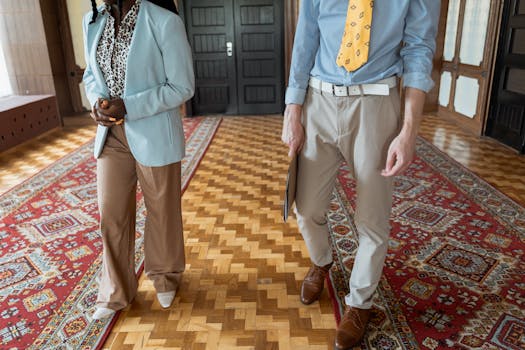
The importance of adhering to an office dress code cannot be overstated. Whether you are entering a new job environment or aiming for a promotion, understanding and following the workplace dress code is crucial for portraying the right professional image. The way you dress in a work setting speaks volumes about you, your work ethic, and your respect for company culture.
Understanding the Office Dress Code
Most organizations establish a code of dress to align with their brand identity. Office dress codes range from formal business attire to business casual or even casual, depending on the organization’s sector and culture. Understanding these distinctions can help you navigate your wardrobe choices appropriately, contributing to your success in your role.
Types of Workplace Dress Codes
Identifying the kind of dress code your office adheres to is the first step in dressing appropriately. Here are some common types:
- Business Formal: This code is common in professional industries like finance and law, requiring suits, ties, and dress shoes for men, and tailored dresses or suits with closed-toe shoes for women.
- Business Casual: This is a more relaxed version of business formal, allowing dress slacks or khakis, dress shirts or blouses, and dresses or skirts that aren’t formal evening wear.
- Casual: Common in creative industries or tech companies, casual dress codes are more relaxed, allowing jeans, t-shirts, and sneakers, provided they are neat and tidy.
Why Dress Codes Matter
Dress codes are implemented for several reasons. They often reflect the company’s values and culture, serve to build a unified brand identity, and ensure that employees are dressed in a manner suitable for business interactions. In environments with client-facing roles, a cohesive look among staff members can enhance the company’s professional image.
Adjusting to New Dress Codes
When transitioning to a new role or company, it’s crucial to adjust to the established dress code. This adjustment could mean an overhaul of your current wardrobe, or simply mixing and matching pieces in new ways to suit your new environment. Researching and understanding the company’s specific dress requirements can alleviate stress and make the transition smoother.
Common Mistakes in Office Dress Codes
Despite their significance, many employees make mistakes when interpreting dress codes, such as dressing too casually or being unaware of specific guidelines. It’s important to ask HR or colleagues if you’re unsure about what is appropriate. Additionally, staying up-to-date with any changes in the company’s policy is critical.
Environment-Specific Considerations
Geography and climate can significantly influence dress codes. For example, offices in warmer climates may have variations in dress codes to accommodate comfort, permitting short-sleeves or lighter fabrics. Conversely, colder regions might require layers or heavier materials. Adapting to these considerations can ensure both comfort and compliance with company standards.
For more detailed information on workplace dress code variations, consider resources like the Wikipedia Dress Code Article.
The Impact of Dress Codes on Professional Growth
Your adherence to an office dress code can impact your career progression. Dressing according to the code reflects your understanding and respect for corporate culture, influencing perceptions among colleagues and superiors. Moreover, dressing professionally boosts confidence, which can significantly enhance your workplace performance and interactions.
In certain professions, dressing one step above the required dress code might be beneficial, especially when aiming for a promotion. It demonstrates initiative and aspiration to fit into higher roles, possibly catching the attention of decision-makers.
Conclusion
Following the office dress code is an essential component of professional etiquette that contributes to personal branding and career success. Staying well-informed and adaptable to your workplace’s dressing standards can pave the way for professional development and job satisfaction.
- Office dress codes vary by industry and company culture.
- Dressing appropriately can improve professional image and influence career growth.
- It’s important to understand and adhere to specific workplace dress standards.
- Continual adaptation and awareness of dress code changes are beneficial.
- Dress codes serve to unify and represent company values.
FAQs: Navigating Office Dress Codes
What is a business formal dress code?
A business formal dress code typically requires suits, ties, and dress shoes for men and similar formal wear for women such as tailored dresses or suits, often for formal offices or events.
How does a business casual dress code differ?
Business casual offers more flexibility with clothing choices, allowing for dress slacks, khakis, button-down shirts, blouses, and skirts that are professional yet not as formal as business formal.
Can I wear jeans to a casual dress code office?
In offices with a casual dress code, neat jeans are generally acceptable, often paired with neat t-shirts or blouses and casual shoes.
How can climate affect dress codes?
Climate can dictate dress code adjustments, with warmer climates allowing lighter fabrics and shorter sleeves, and cooler climates requiring warmer clothing options.
Why are dress codes important in the workplace?
Dress codes maintain a level of professionalism, create a unified company image, ensure appropriateness in client interactions, and reflect company values.