
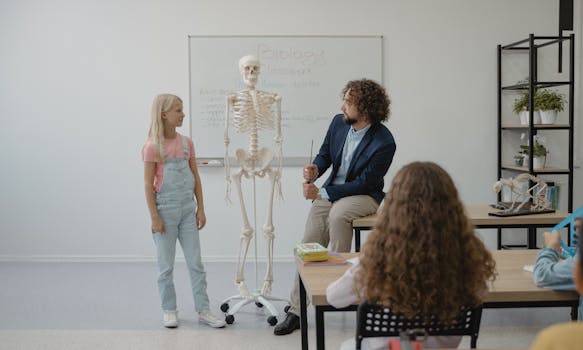
Learning from your mistakes is a valuable life skill that can contribute greatly to personal development and growth. Embracing errors and viewing them as opportunities for learning can help build resilience and improve problem-solving abilities. This article explores how understanding and accepting mistakes can be a significant catalyst for personal growth and why it’s essential to integrate this mindset in various aspects of life.
Understanding How to Learn from Your Mistakes
Mistakes are unavoidable in life. However, rather than seeing them as failures, it is more productive to see them as lessons that provide insight and knowledge. When you learn from your mistakes, you begin to recognize patterns, adapt strategies, and implement changes that help avoid repeating the same errors. This not only boosts self-awareness but also enhances your ability to tackle challenges with a more informed perspective.
The Importance of Feedback
Feedback is an essential element when learning from your mistakes. It provides an outside perspective that can often highlight areas for improvement that might have been overlooked. Constructive feedback, whether from peers, colleagues, or mentors, offers valuable insights into how to improve and evolve. Listening to and acting on feedback is a crucial step in transforming mistakes into opportunities for growth.
Developing a Growth Mindset
Adopting a growth mindset is another important aspect of learning from mistakes. A growth mindset means believing that your abilities and intelligence can be developed through dedication and hard work. This perspective encourages you to persist in the face of setbacks, seeing mistakes as a natural part of the learning process. Renowned psychologist Carol Dweck has extensively researched and written about the impact of a growth mindset on learning and achievement, which you can explore further on Wikipedia.
Steps to Effectively Learn from Your Mistakes
To effectively learn from your mistakes, follow these steps:
- Reflect on the mistake: Take the time to think about what went wrong and why it happened. Understanding the root cause can prevent similar errors in the future.
- Seek feedback: Engage in discussions with others who can provide constructive criticism and fresh perspectives.
- Develop a plan: Create a proactive strategy to address the issues identified and set new goals to work towards.
- Embrace resilience: Cultivate patience and persistence, understanding that success often involves overcoming hurdles.
Personal Growth and Mistakes
Mistakes are personal growth opportunities. When you focus on learning from them, you cultivate skills such as critical thinking, adaptability, and emotional intelligence. For more tips on how personal growth is deeply tied to embracing mistakes, visit our article on earning while you learn and mastering new skills.
Final Thoughts on the Power of Mistakes
Learning from your mistakes is not about perfection; it’s about progress. By accepting and acknowledging mistakes, you pave the way for personal development, enhance your skill sets, and become better equipped to face new challenges. Remember, the goal is to develop a healthier relationship with mistakes, viewing them as a crucial part of the lifelong learning journey.
- View errors as pathways to insight and improvement.
- Adopt a growth mindset to foster continuous learning.
- Seek and value feedback for an outside perspective.
- Build resilience to handle challenges effectively.
- Utilize mistakes as catalysts for personal development.
What is a growth mindset?
A growth mindset is the belief that your abilities and intelligence can be developed through dedication, learning, and resilience. It encourages embracing challenges and learning from mistakes as part of personal development.
Why is feedback important in learning from mistakes?
Feedback provides an external perspective that can highlight areas for improvement. Constructive criticism helps you understand your mistakes better and develop strategies for avoiding them in the future.
How can mistakes lead to personal growth?
Mistakes help identify gaps in knowledge or skills and provide an opportunity to address them. Learning from these errors enhances problem-solving abilities and emotional intelligence, contributing to personal growth.
Can mistakes be beneficial in a career setting?
Yes, mistakes in a career setting allow you to learn and develop professionally. They can present opportunities to deepen your understanding, improve skills, and ultimately lead to greater accomplishments and expertise.
How can one build resilience after making a mistake?
Building resilience involves accepting that mistakes are part of the learning process, analyzing the reasons behind errors, and developing a plan to adapt and improve. Practicing self-compassion and patience is also crucial in building resilience.

