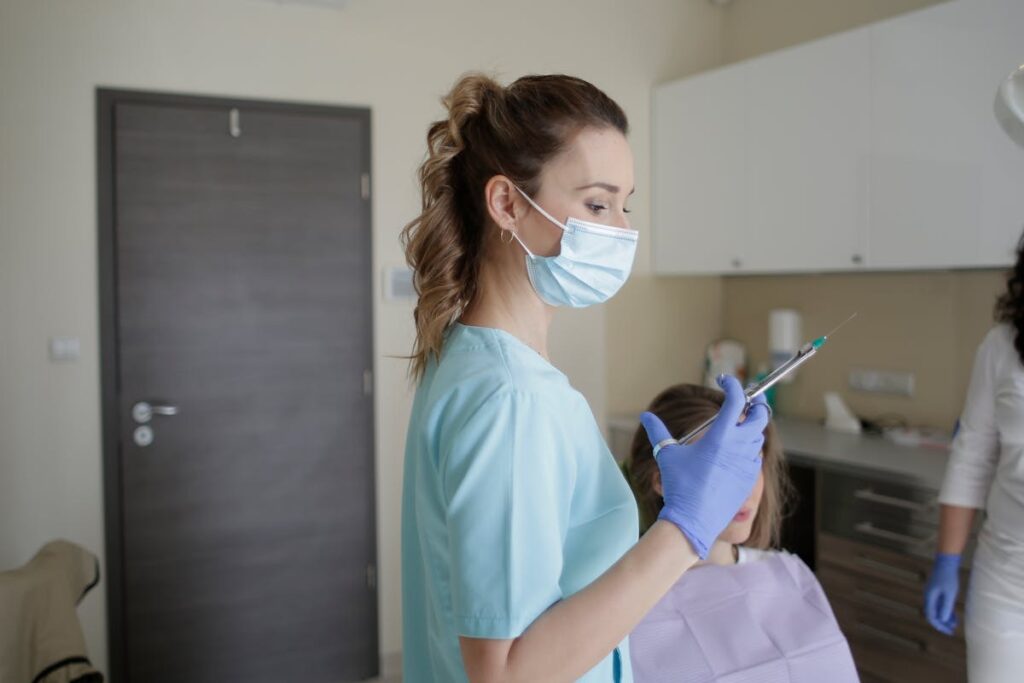
In the last five years, over 40% of dental practices have expanded beyond traditional oral care to offer Botox treatments—a shift that’s reshaping how we think about facial aesthetics and oral health. According to the American Academy of Facial Esthetics, dental professionals administered more than 2.8 million Botox procedures in 2023 alone, representing a 150% increase since 2019. As more patients explore dental botox services, the focus has expanded beyond cosmetic trends to addressing real needs where oral health intersects with facial function and aesthetics.
The convergence makes perfect sense when you consider anatomy. Dentists already work intimately with the muscles that control jaw movement, facial expression, and bite function. They understand the complex relationship between oral structures and facial aesthetics better than most medical professionals. Yet many patients—and even some practitioners—remain unclear about when and why Botox belongs in a dental setting.
What’s driving this integration goes beyond cosmetic enhancement. Patients dealing with chronic jaw pain, teeth grinding, or facial asymmetry often find themselves bouncing between medical specialists without finding comprehensive solutions. Dental Botox represents a bridge between therapeutic and aesthetic care, offering targeted relief for conditions that traditional dental procedures can’t fully address.
Here’s what the research shows us about this evolving field, from the fundamental science behind muscle-targeted treatments to the practical applications reshaping modern dental care.
What Is Botox Dentistry and How Did It Develop?
Definition and Core Concepts of Botox in Dental Care
Botox dentistry represents the application of botulinum toxin type A within dental practice to address both therapeutic and cosmetic concerns related to oral and facial muscles. Unlike cosmetic dermatology applications that primarily target wrinkles, dental Botox focuses on the functional muscles that control jaw movement, facial expression, and oral function.
The distinction matters because dental professionals approach Botox from a fundamentally different perspective. Where dermatologists might focus on superficial muscle relaxation for aesthetic purposes, dentists target deeper muscular patterns that affect bite function, jaw alignment, and oral comfort. This includes the masseter muscles responsible for chewing, the temporalis muscles involved in jaw closure, and various facial muscles that impact smile aesthetics and oral function.
Botulinum toxin works by temporarily blocking nerve signals to targeted muscles, reducing their ability to contract forcefully. In dental applications, this translates to decreased muscle tension, reduced involuntary movements like teeth grinding, and improved facial symmetry. The effects typically last three to six months, making it a reversible treatment option that allows for adjustments based on patient response.
Historical Development of Botox in Dentistry
The journey of Botox into dentistry began in the 1990s when researchers noticed that patients receiving Botox for medical conditions experienced unexpected improvements in jaw-related symptoms. Dr. William Binder first documented successful treatment of TMJ disorders with botulinum toxin in 1998, publishing results that showed significant pain reduction in patients who hadn’t responded to traditional therapies.
The FDA’s 2002 approval of Botox for cosmetic use opened new possibilities, but it wasn’t until the mid-2000s that dental professionals began systematic training in injection techniques. The American Academy of Facial Esthetics, founded in 2007, established the first comprehensive training programs specifically for dental professionals, recognizing their unique anatomical expertise and patient relationships.
By 2012, several states had clarified regulations allowing trained dentists to administer Botox within their scope of practice. This regulatory clarity, combined with growing patient demand for minimally invasive aesthetic treatments, accelerated adoption. Today, continuing education programs in Botox administration are among the most popular offerings at dental conferences, reflecting the field’s rapid evolution from experimental treatment to standard practice option.
How Does Botox Work in Dental Procedures?
Scientific Principles Behind Botox Effects on Oral Muscles
The mechanism behind Botox’s effectiveness in dental applications centers on neuromuscular junction disruption. When injected into target muscles, botulinum toxin type A prevents the release of acetylcholine, the neurotransmitter responsible for muscle contraction signals. This creates a controlled, temporary weakness in the treated muscle without affecting surrounding tissues or sensory function.
In the oral and facial region, this mechanism proves particularly valuable because many dental conditions stem from hyperactive muscle function. Bruxism (teeth grinding) results from excessive masseter and temporalis muscle activity, often occurring during sleep when conscious control is absent. By reducing the muscle’s ability to contract forcefully, Botox can decrease the grinding force by 60-70% while maintaining normal chewing function.
The temporal aspect of Botox’s action also aligns well with dental treatment goals. The gradual onset over 3-7 days allows patients to adapt to changes in muscle function, while the 3-6 month duration provides sufficient time to establish new muscular patterns or complete complementary treatments like orthodontics or occlusal adjustments.
Botox Administration Protocols in Dental Practice
Dental Botox administration follows precise anatomical landmarks and injection protocols developed specifically for oral and facial applications. The process begins with comprehensive facial muscle assessment, including palpation of the masseter, temporalis, and other target muscles during function. This differs significantly from cosmetic protocols because dental practitioners must consider how muscle changes will affect bite function and oral comfort.
Injection technique varies by target area and therapeutic goal. For TMJ treatment, practitioners typically inject multiple points along the masseter muscle belly, using doses ranging from 15-25 units per side depending on muscle size and hyperactivity level. Temporalis muscle injections require different approach angles to avoid critical anatomical structures while achieving optimal muscle relaxation.
Safety protocols in dental settings emphasize facial anatomy knowledge that dental professionals already possess. Understanding nerve pathways, blood vessel locations, and the relationship between facial muscles and oral function allows dentists to minimize risks while maximizing therapeutic outcomes. Post-injection monitoring focuses on maintaining normal oral function while achieving the desired therapeutic or aesthetic effect.
The clinical assessment process includes evaluation of existing dental work, bite relationships, and any orthodontic considerations that might influence treatment planning. This comprehensive approach ensures that Botox treatment complements rather than complicates other dental therapies.
Main Applications of Botox in Dentistry
Managing Temporomandibular Joint (TMJ) Pain with Botox
TMJ disorders affect over 12% of the adult population, with many patients experiencing chronic pain that doesn’t respond adequately to traditional treatments like night guards or anti-inflammatory medications. Botox offers a targeted approach that addresses the muscular component of TMJ dysfunction without requiring invasive procedures or long-term medication use.
The treatment works particularly well for patients whose TMJ symptoms stem from muscle hyperactivity rather than structural joint problems. When the masseter and temporalis muscles remain chronically tense, they can compress the TMJ, leading to pain, clicking, and restricted jaw movement. By reducing muscle tension, Botox allows the joint to function more normally while giving inflamed tissues time to heal.
Clinical studies show that 80-90% of TMJ patients experience significant pain reduction within two weeks of Botox treatment, with many reporting their first comfortable jaw function in years. The effect proves especially valuable for patients who clench their jaw during stress or sleep, as the muscle relaxation continues even during unconscious muscle activation.
Using Botox for Bruxism and Dental Muscle Pain
Bruxism management represents one of the most clinically proven applications of dental Botox. Traditional treatments like night guards protect teeth from grinding damage but don’t address the underlying muscle hyperactivity that causes the problem. Botox targets the source by reducing the masseter muscle’s ability to generate destructive force levels.
Research from the Journal of Oral Rehabilitation demonstrates that Botox treatment can reduce nighttime grinding force by an average of 65% while maintaining normal daytime chewing function. This reduction proves significant enough to prevent tooth damage, reduce jaw muscle soreness, and improve sleep quality for both patients and their partners who no longer hear grinding sounds.
The treatment proves particularly valuable for severe bruxers whose grinding has caused tooth fractures, extensive wear, or chronic muscle pain. By reducing the force of grinding episodes, Botox provides immediate relief while allowing time for other interventions like stress management or sleep disorder treatment to take effect.
Botox for Facial Symmetry and Jawline Shaping
Facial asymmetry often stems from unequal muscle development or function, creating concerns about both appearance and oral function. Enlarged masseter muscles from chronic clenching can create a square, masculine jawline that many patients find aesthetically unpleasing. Botox offers a non-surgical method to reduce muscle bulk while improving facial balance.
The treatment works by gradually reducing masseter muscle size through controlled weakness. Over 3-6 months of treatment, the muscle atrophies slightly, creating a more tapered jawline and improved facial proportion. This proves especially popular among patients of Asian descent, where masseter muscle prominence is more common and jawline refinement is culturally valued.
Jawline contouring with Botox requires careful dose calculation and injection placement to achieve natural-looking results while preserving chewing function. The goal isn’t muscle paralysis but rather controlled reduction in muscle bulk and hyperactivity. Successful treatment creates subtle but noticeable improvement in facial harmony without compromising oral function.
Cosmetic Corrections Like Gummy Smile Enhancement
Gummy smile correction addresses the aesthetic concern when excessive gum tissue shows during smiling, often caused by hyperactive upper lip muscles rather than gum overgrowth. Traditional correction required gum surgery or orthodontics, but Botox offers a reversible alternative that works by relaxing the muscles that pull the upper lip too high during smiling.
The levator labii superioris and levator anguli oris muscles control upper lip elevation during facial expression. When these muscles are hyperactive, they can expose 4-5mm or more of gum tissue during smiling, creating an aesthetic concern for many patients. Strategic Botox placement can reduce this elevation by 2-3mm, creating a more balanced smile without affecting normal speech or eating function.
Treatment requires precise injection technique because the target muscles are smaller and the aesthetic goals more subtle than with jaw muscle applications. The result typically becomes apparent within one week and can dramatically improve smile confidence without surgical intervention or lengthy recovery periods.
Botox Dental Uses in Orthodontics and Migraine Relief
Orthodontic integration represents an emerging application where Botox supports traditional tooth movement by reducing opposing muscle forces. Strong masticatory muscles can resist orthodontic movement or contribute to relapse after treatment completion. By temporarily relaxing these muscles during active orthodontics, practitioners may achieve faster tooth movement and more stable results.
The approach proves particularly valuable for patients with strong muscle patterns that tend to pull teeth back to their original positions. Adult orthodontic patients, who often have more established muscle patterns than children, may benefit significantly from muscle relaxation that allows teeth to move more easily into their intended positions.
Migraine management through dental Botox leverages the relationship between jaw muscle tension and headache patterns. Many patients with chronic migraines also experience jaw clenching or teeth grinding, suggesting shared muscular triggers. By reducing masseter and temporalis muscle hyperactivity, Botox can decrease one potential migraine trigger while addressing dental symptoms simultaneously.
The FDA has approved Botox for chronic migraine treatment, but when administered by dental professionals, the focus remains on oral and facial muscle patterns rather than the broader injection protocol used by neurologists. This targeted approach can provide migraine relief while addressing concurrent dental muscle issues in a single treatment.
Comparing Botox with Orthodontic and Alternative Treatments
Differences Between Botox and Teeth Straightening Methods
Treatment scope represents the fundamental difference between Botox and orthodontic approaches. Orthodontics physically moves teeth into better positions over months or years, creating permanent structural changes that improve both function and aesthetics. Botox, conversely, addresses muscle function without changing tooth position, offering temporary improvements that require ongoing treatment to maintain.
The timeline considerations differ significantly. Orthodontic treatment typically requires 12-24 months of active treatment followed by long-term retainer use to maintain results. Botox effects develop within days but fade over 3-6 months, requiring regular re-treatment for sustained benefits. However, Botox can provide immediate relief for symptoms like jaw pain or grinding, while orthodontic improvements develop gradually as teeth move into better positions.
Cost structures also vary considerably. Orthodontic treatment involves higher upfront costs but provides permanent results, while Botox requires lower individual treatment costs but ongoing expenses for maintenance. For patients seeking facial aesthetic improvements, orthodontics might address underlying structural issues that Botox cannot, such as severe bite problems or significant tooth crowding.
The combination approach often proves most effective. Orthodontics can establish proper tooth alignment and bite function, while Botox addresses residual muscle hyperactivity that might otherwise cause relapse or ongoing symptoms. This integrated strategy leverages the strengths of both approaches while minimizing their individual limitations.
Botox Versus Other Injectables in Dentistry
Dermal fillers represent the primary alternative to Botox in dental aesthetic applications, but their mechanisms and applications differ substantially. While Botox relaxes muscles to improve function and aesthetics, fillers add volume to enhance facial contours or reduce lines through mechanical support rather than muscle modification.
In dental practice, fillers might address concerns like thin lips, deep nasolabial folds, or age-related volume loss around the mouth. However, fillers don’t provide the therapeutic benefits for TMJ, bruxism, or muscle pain that make Botox valuable in dental settings. The choice between treatments depends on whether the patient’s concerns stem from muscle hyperactivity or volume deficiency.
Combination therapy using both Botox and fillers can address complex aesthetic and functional concerns simultaneously. For example, a patient with jaw muscle tension and thin lips might benefit from Botox for muscle relaxation combined with lip fillers for enhanced volume. This comprehensive approach requires careful planning to ensure treatments complement rather than interfere with each other.
Safety profiles differ between injectables, with Botox generally offering more reversible effects since muscle function gradually returns to baseline. Filler complications, while rare, may require enzymatic dissolution or surgical correction if problems arise. The temporary nature of Botox makes it a lower-risk option for patients hesitant about permanent changes.
What Research and Clinical Evidence Supports Botox Dentistry?
Summary of Key Studies on Botox for Oral Health
Peer-reviewed research supporting Botox applications in dentistry has grown substantially over the past decade. A 2023 systematic review published in the International Journal of Oral and Maxillofacial Surgery analyzed 34 studies involving over 2,100 patients treated with Botox for various oral and facial conditions. The analysis found statistically significant improvements in pain scores, jaw function, and quality of life measures across multiple applications.
The most robust evidence exists for TMJ disorder treatment, where randomized controlled trials have consistently demonstrated superior outcomes compared to placebo injections. A landmark study by Patel et al. (2022) followed 180 TMJ patients for 12 months, finding that 78% of Botox-treated patients experienced clinically significant pain reduction compared to 23% in the control group. Importantly, the study found no adverse effects on normal chewing function when proper injection techniques were used.
Bruxism research shows similarly compelling results. The European Journal of Oral Sciences published a multicenter trial in 2023 involving 240 severe bruxism patients, reporting a 71% reduction in grinding episodes measured through sleep study monitoring. The study also documented decreased tooth wear progression and improved sleep quality scores among treated patients.
Research into cosmetic applications, while more limited, shows consistent patient satisfaction rates above 85% for procedures like gummy smile correction and jawline contouring. However, researchers note that aesthetic outcomes can be more subjective and recommend standardized assessment protocols for future studies.
Case Studies and Reported Patient Outcomes
Clinical case reports provide valuable insights into real-world Botox dentistry outcomes beyond controlled trial settings. A 2023 case series from the Journal of Cosmetic Dentistry documented 150 consecutive patients treated for various conditions, revealing important patterns in treatment response and patient satisfaction.
The series included a 34-year-old software engineer who had suffered from severe nighttime bruxism for eight years, causing multiple tooth fractures and chronic jaw pain. Traditional night guard therapy provided minimal relief, and stress management techniques proved insufficient. After Botox treatment targeting the masseter and temporalis muscles, grinding episodes decreased by 80%, allowing damaged teeth to be restored without immediate re-fracture risk.
Another compelling case involved a 28-year-old patient with facial asymmetry caused by unilateral masseter muscle hyperactivity following a childhood injury. The enlarged muscle created both functional problems and aesthetic concerns that orthodontics alone couldn’t address. Sequential Botox treatments over 18 months gradually reduced muscle bulk while improving chewing balance, ultimately achieving facial symmetry that enhanced both function and appearance.
Long-term outcome data from specialized dental Botox practices indicates high patient retention rates, with 89% of patients continuing treatment beyond the initial year. Common reasons for discontinuation include cost concerns (7%) and complete symptom resolution that doesn’t recur (4%), rather than treatment failure or adverse effects.
The accumulated case experience also reveals important insights about patient selection and treatment customization. Patients with primarily muscle-based problems respond more predictably than those with complex structural issues requiring multidisciplinary care. Success rates improve significantly when Botox integrates with comprehensive dental treatment planning rather than serving as an isolated intervention.
Safety, Risks, and Ethical Considerations in Botox Dentistry
Botox Dentistry Risks and Side Effects
Adverse event rates in dental Botox applications remain remarkably low when proper injection techniques and dosing protocols are followed. A comprehensive safety analysis published in Oral Surgery, Oral Medicine, Oral Pathology examined over 5,000 dental Botox procedures, reporting serious complications in fewer than 0.1% of cases. The most common side effects include temporary injection site discomfort (15% of patients), mild asymmetry requiring touch-up treatment (3%), and transient difficulty with certain facial expressions (2%).
The specific risks vary by injection site and treatment goal. Masseter muscle treatment carries minimal risk because the target muscle is large and well-defined, with clear anatomical landmarks for safe injection. The primary concern involves inadvertent weakness in adjacent muscles responsible for facial expression, but this typically resolves within 2-4 weeks as the Botox effect localizes.
Temporalis muscle injections require greater precision due to the muscle’s proximity to critical structures like the temporal branch of the facial nerve. Improper injection technique could theoretically affect eyebrow elevation or eyelid function, though such complications remain extremely rare when practitioners follow established anatomical guidelines.
The reversible nature of Botox provides an important safety advantage over surgical alternatives. Even if unwanted effects occur, muscle function gradually returns to baseline over 3-6 months without permanent consequences. This safety profile makes Botox an attractive option for patients hesitant about irreversible procedures while still seeking symptom relief.
Legal Regulations and Certification Requirements
State regulations governing dental Botox administration vary significantly across the United States, creating complexity for practitioners and patients alike. Currently, 42 states explicitly allow trained dentists to administer Botox within their scope of practice, while eight states maintain restrictions or require additional medical supervision. These variations reflect ongoing debates about professional boundaries and patient safety oversight.
Training requirements typically include 16-24 hours of didactic education covering facial anatomy, injection techniques, and emergency management, followed by hands-on clinical training with experienced instructors. The American Academy of Facial Esthetics and similar organizations provide standardized curricula that most states recognize for certification purposes.
Liability considerations have evolved as the field has matured. Professional liability insurance carriers now routinely cover dental Botox procedures when practitioners maintain appropriate training credentials and follow established protocols. However, insurance coverage for treatment varies significantly, with most cosmetic applications remaining patient-responsibility while therapeutic uses may qualify for medical benefits.
The regulatory landscape continues evolving as more states clarify their positions and professional organizations develop refined standards. Practitioners must stay current with their state’s specific requirements and maintain continuing education to ensure compliance and optimal patient care.
Importance of Qualified Practitioners and Ethical Guidelines
Professional competency in dental Botox extends beyond basic injection technique to encompass comprehensive understanding of facial aesthetics, muscle physiology, and the integration of Botox with traditional dental treatments. The most successful practitioners combine technical skill with artistic judgment, understanding how muscle modifications will affect overall facial harmony and oral function.
Ethical considerations in dental Botox practice center on appropriate patient selection, informed consent, and realistic expectation setting. Practitioners must distinguish between patients who will benefit from Botox and those who require alternative treatments or referrals to specialists. The temporary nature of Botox can be either an advantage or limitation depending on patient goals and expectations.
Patient consent processes should address both therapeutic goals and aesthetic outcomes, ensuring patients understand treatment limitations, expected duration of effects, and potential need for ongoing maintenance. The cosmetic component of many dental Botox applications requires particularly careful discussion about aesthetic expectations and individual response variability.
The integration of Botox into dental practice also raises questions about scope of practice and professional identity. Successful practitioners maintain clear boundaries between their enhanced service offerings and their core dental expertise, ensuring that Botox serves to complement rather than replace traditional oral health care.
Current State and Future Trends in Dental Botox Applications
Advanced Techniques and Integration with Dental Procedures
Precision injection protocols have evolved significantly as practitioners gain experience with dental Botox applications. Modern techniques utilize ultrasound guidance for deep muscle injections, electromyography to assess muscle activity patterns, and 3D facial analysis software to plan optimal injection sites. These technological advances allow for more predictable outcomes and reduced risk of complications.
The integration of Botox with traditional dental procedures represents a growing trend that leverages the synergistic benefits of combined treatments. Orthodontic practices increasingly incorporate Botox to manage muscle resistance during tooth movement, potentially reducing treatment time and improving stability of results. Some practitioners report 20-30% faster case completion when appropriate muscle relaxation supports orthodontic mechanics.
Restorative dentistry integration focuses on managing muscle forces that might compromise dental work longevity. Patients with severe bruxism who receive extensive crown and bridge work benefit from concurrent Botox treatment that reduces destructive forces on restorations. This approach has shown promise in extending the lifespan of complex dental work while improving patient comfort.
Digital treatment planning now incorporates muscle analysis alongside traditional dental measurements. Software platforms can simulate the effects of muscle relaxation on facial aesthetics and oral function, allowing practitioners to plan more precise treatments and provide patients with realistic preview of expected outcomes.
Emerging Uses and Preventive Oral Care Roles
Preventive applications of dental Botox are gaining attention as practitioners recognize opportunities to intervene before problems become severe. Early treatment of emerging bruxism patterns might prevent the tooth damage and TMJ complications that develop over years of untreated grinding. This proactive approach aligns with dentistry’s broader shift toward prevention-focused care.
Research into pediatric applications remains limited but shows promise for specific conditions. Adolescents with severe bruxism associated with ADHD or anxiety disorders might benefit from carefully administered Botox treatment that reduces muscle hyperactivity while other interventions address underlying causes. However, pediatric protocols require specialized training and careful consideration of developing facial structures.
Sleep dentistry integration represents another emerging application area. As dental professionals become more involved in sleep disorder treatment through oral appliance therapy, Botox offers complementary benefits for patients with sleep-related muscle hyperactivity. The combination of muscle relaxation and mechanical airway support may provide superior outcomes for certain sleep disorder patients.
The role of Botox in managing age-related oral changes is also expanding. Older adults experiencing decreased chewing efficiency due to muscle weakness might benefit from strategic Botox treatment that rebalances muscle function and improves eating comfort. This application requires careful assessment to distinguish between normal aging and treatable muscle dysfunction.
Perspectives on Botox Dentistry for Children
Pediatric considerations in dental Botox remain controversial, with most practitioners exercising extreme caution due to developmental concerns and limited research data. The growing facial skeleton and changing bite relationships in children create complexities that don’t exist in adult treatment. However, certain severe conditions might justify carefully considered Botox intervention when other treatments have failed.
Severe bruxism in children, particularly when associated with neurological conditions or medication side effects, represents the most accepted pediatric indication. Case reports describe successful treatment of grinding so severe it caused tooth fractures and prevented normal sleep. In these extreme situations, the temporary muscle relaxation provided by Botox might prevent permanent damage while addressing underlying causes.
The consent process for pediatric Botox requires exceptional thoroughness, involving both parents and age-appropriate patient education. Long-term effects on facial development remain unknown, making informed consent discussions particularly critical. Most practitioners require multidisciplinary consultation before proceeding with pediatric cases.
Future research directions include longitudinal studies tracking facial development in children who receive Botox treatment, standardized protocols for pediatric dosing and injection techniques, and clearer guidelines for case selection. Until this evidence base develops, pediatric dental Botox remains an exceptional treatment reserved for the most severe cases where benefits clearly outweigh unknown risks.
The evolution of dental Botox from experimental treatment to mainstream practice reflects broader changes in healthcare delivery, patient expectations, and professional scope expansion. As evidence continues accumulating and techniques refine further, the integration of muscle-targeted therapies with traditional dental care appears likely to deepen rather than diminish. The most successful future applications will likely emphasize the unique advantages that dental professionals bring to facial muscle treatment: anatomical expertise, existing patient relationships, and comprehensive understanding of oral-facial function. For patients seeking effective solutions to muscle-related oral health problems, the continued development of dental Botox offers promising possibilities for improved comfort, function, and aesthetics through minimally invasive interventions.