Welcome to an exploration of the dynamic world of jobs involving computer engineering. As technology evolves at an unprecedented pace, computer engineering stands at the forefront, offering a plethora of career opportunities. Whether you’re a seasoned coder or a newcomer to the tech industry, understanding the scope and variety of careers in this field is crucial for aligning your career goals with the exciting possibilities that computer engineering presents.
Discovering Jobs Involving Computer Engineering
Computer engineering integrates electronic engineering and computer science, resulting in diverse career paths ranging from hardware development to software innovation. Here, we delve into some prominent roles that exemplify the versatility of computer engineering.
1. Software Developer
Software developers create applications that enable users to perform specific tasks on computers or electronic devices. They play a crucial part in designing, coding, testing, and maintaining software solutions. With an ever-increasing demand for innovative applications, this role remains a staple in the tech industry.
2. Hardware Engineer
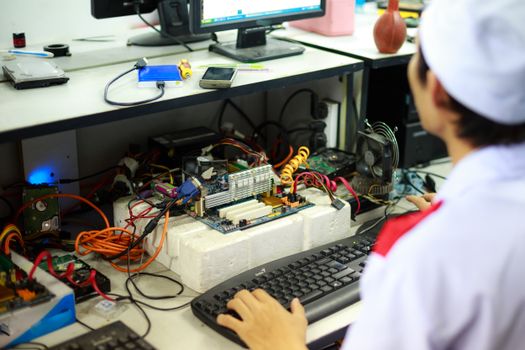
Hardware engineers are responsible for the research, design, development, and testing of computer systems and components. Their work includes processors, circuit boards, memory devices, and networking equipment. As new technology enters the market, hardware engineers must innovate to keep pace with advancements.
3. Systems Architect
Systems architects develop complex IT systems that solve specific computing problems. They work to ensure that each system component works together harmoniously to achieve a desired outcome. This role requires a broad understanding of both hardware and software and their interactions.
4. Network Security Specialist
As cybersecurity threats grow, the role of network security specialists becomes ever more critical. These professionals design and implement security measures to protect an organization’s data and systems. Their expertise helps prevent attacks and ensures the safety of sensitive information.
5. Embedded Systems Engineer
An embedded systems engineer specializes in creating hardware and software solutions for electronic devices with computing capabilities, such as smartphones, home appliances, and automobiles. As devices become more interconnected, the demand for expertise in embedded systems continues to rise.
Education and Skills Required
Pursuing jobs involving computer engineering typically requires a strong foundation in mathematics, physics, and computer science. Degrees in computer engineering, electrical engineering, or related fields are often necessary. Additionally, practical experience through internships or projects is invaluable.
Key skills for computer engineering jobs include programming proficiency, knowledge of hardware systems, problem-solving abilities, and excellent analytical skills. Soft skills, such as teamwork and communication, are also essential as engineers often work in collaborative settings.
The Future of Computer Engineering Careers
The future of jobs involving computer engineering looks promising, with continued investment in artificial intelligence, machine learning, and the Internet of Things (IoT). These sectors are driving demand for skilled professionals who can develop sophisticated technological solutions.
Aspirants in this field have various educational options available. For government job preparation, choosing the right computer course can be crucial. Our article on computer courses best for government job preparation offers detailed insights into selecting suitable courses.
Industry Trends and Innovations
Emerging trends in computer engineering include autonomous vehicles, blockchain technology, and quantum computing. These innovations are reshaping industries and creating new career paths. Staying abreast of these trends is vital for those seeking to thrive in this fast-paced sector.
Challenges and Opportunities
While computer engineering offers numerous opportunities, it also presents challenges, such as keeping up with rapid technological changes and addressing ethical concerns in data privacy and security. Engineers must continue learning and adapting to remain competitive in the workforce.
For more information on the industry and potential job prospects, visit this Bureau of Labor Statistics page on Computer Hardware Engineers.
In conclusion, jobs involving computer engineering offer a landscape rich with potential for innovation, challenge, and fulfillment. Whether you are interested in software development or the cutting-edge realm of embedded systems, the opportunities are vast. As this field continues to evolve, so too do the exciting possibilities for careers that intersect with technology and creativity in unique and rewarding ways.
- Computer engineering combines electronics and computer science for versatile career paths.
- Roles include software developer, hardware engineer, systems architect, and more.
- Key skills include programming, problem-solving, and teamwork.
- Staying updated with industry trends is crucial for career advancement.
- Education in this field offers a promising return on investment.
FAQ
What are the main roles in computer engineering?
Main roles include software developers, hardware engineers, systems architects, network security specialists, and embedded systems engineers.
What skills are needed for a career in computer engineering?
Essential skills include programming, hardware knowledge, problem-solving, analytical abilities, and communication skills.
How do computer engineering jobs differ from software engineering?
Computer engineering integrates hardware and software knowledge, while software engineering focuses solely on software development and maintenance.
Are there emerging fields in computer engineering?
Yes, fields such as artificial intelligence, machine learning, IoT, and quantum computing are rapidly growing in importance.
What educational paths are recommended for aspiring computer engineers?
Aspiring computer engineers typically pursue degrees in computer engineering, electrical engineering, or related fields, often complemented by practical experience.