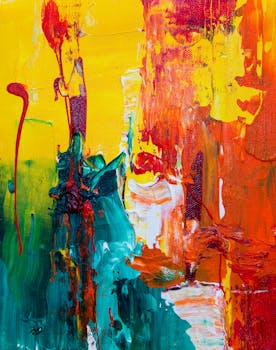
The concept of balance in art is a fundamental principle that artists use to create aesthetically pleasing and harmonious compositions. When exploring balance artwork examples, one can gain insights into how different elements within a piece work together to create stability and interest. This exploration not only enhances appreciation of art but also contributes to personal development by fostering critical thinking and creative problem-solving skills.
Understanding Balance Artwork Example
Balance in art refers to the distribution of visual weight within a composition. An effective balance artwork example might include symmetrical, asymmetrical, or radial balance, each creating a distinct visual effect. Symmetrical balance involves mirroring elements on either side of a central axis, providing a sense of harmony and order. Asymmetrical balance, on the other hand, achieves harmony through contrast, using varied elements of different sizes, colors, and textures. Radial balance radiates from a central point, often resulting in a circular composition that draws viewers’ eyes to the center.
The Role of Balance in Personal Development
Studying balance in art can play a significant role in personal development. By analyzing art that employs balance, individuals enhance their ability to observe, interpret, and appreciate different perspectives. This process can lead to improved problem-solving skills and innovative thinking, making balance not just an artistic principle but a tool for cognitive growth. For aspiring artists, understanding and employing balance is crucial in crafting artworks that communicate effectively with audiences.
For students, pursuing opportunities to study art can significantly impact their careers and personal growth. Scholarships are available for those interested in art studies. You can explore these opportunities in more detail on our scholarship resources page.
Examples of Balance in Famous Artworks
Numerous famous artworks showcase the effective use of balance. Leonardo da Vinci’s “The Last Supper” is a classic example of symmetrical balance, with Christ at the center and the apostles evenly spaced on either side, creating a harmonious and balanced composition. In contrast, Vincent van Gogh’s “Starry Night” employs asymmetrical balance, where the swirling sky and the cypress tree offset the tranquil villages, generating dynamic tension.
Another fascinating example is the “Rose Window” in the Notre-Dame Cathedral, which exemplifies radial balance through its circular design radiating from a central point. Each component—from the intricate stained glass to the stone lattice—works together to form a unified whole. These examples demonstrate how balance serves as a guiding principle in engaging and enduring art.
Practical Applications of Balance in Art and Life
Beyond appreciating established artworks, engaging with balance in art can have practical applications in everyday life. Designing spaces, from interior decor to gardens, benefits significantly from principles of balance, creating environments that are not only functional but also pleasing to the senses. The concept of balance extends into lifestyle choices, encouraging individuals to create equilibrium between various aspects of their lives, such as work and leisure.
For artists and art enthusiasts, actively creating or analyzing art with a focus on balance enhances their understanding of visual composition and storytelling. This deepened understanding can translate into other areas, fostering overall personal and professional growth.
Balance Artwork Example in Modern Art
The appreciation and application of balance continue to evolve. Contemporary artists often experiment with balance in new ways, challenging traditional norms. This exploration pushes the boundaries of art and invites fresh interpretations. As artists play with scale, unexpected materials, and novel arrangements, they create works that redefine the viewer’s perception of balance. This ongoing evolution highlights the importance of balance as a dynamic and enduring principle in art.
For a deeper understanding of how balance is applied across various disciplines, you might explore educational resources such as this comprehensive piece on education on Wikipedia. Such resources provide context and clarity, enhancing our grasp of how balance impacts different fields of study and personal growth.
In conclusion, exploring balance artwork examples is not only a visual pursuit but also an enriching process that supports personal and professional development. Whether for academic purposes or personal interest, the study of balance sharpens the mind, enhances appreciation for art, and fosters a balanced approach in life.
- Balance in art creates harmony and stability within compositions.
- Studying balance fosters cognitive growth and problem-solving skills.
- Famous artworks exemplify symmetrical, asymmetrical, and radial balance.
- Applying balance principles can enhance daily living and lifestyle choices.
- The exploration of balance in modern art challenges traditional norms and offers new perspectives.
Frequently Asked Questions
What is balance in art?
Balance in art refers to the distribution of visual weight within a composition, creating harmony and stability among elements.
What are the types of balance in art?
The main types of balance in art are symmetrical, asymmetrical, and radial. Each type creates a distinct effect and contributes to the work’s overall composition.
How does balance contribute to personal development?
Studying balance in art enhances observational skills, critical thinking, and creativity, contributing positively to personal development.
Can balance in art be applied to other areas of life?
Yes, the principles of balance can be applied in various life aspects, including interior design, landscaping, and achieving work-life balance.
Where can students find scholarships for art studies?
Students can explore scholarships for art studies on resources like our scholarship resources page, which provides detailed information about available opportunities.