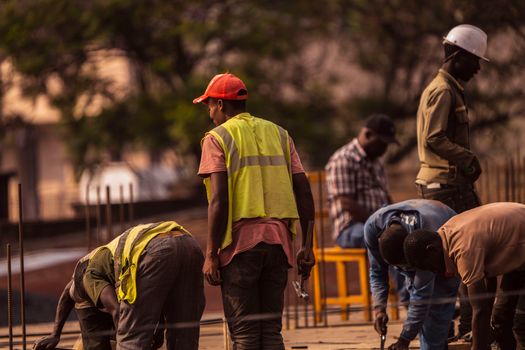
Understanding the current and future landscape of workforce trends at the Henderson Mine is crucial for anyone invested in the sector. When examining the workforce size at Freeport Climax in the years 2025 and 2026, we can expect a variety of changes influenced by technological advancements, environmental policies, and market dynamics. Here, we dive deep into what these years might hold as the mine adapts to both challenges and opportunities.
Henderson Mine Workforce Size Freeport Climax 2025 2026
The Henderson Mine, operated by Freeport-McMoRan, is a significant fixture in the mining industry, providing insights into mining workforce trends. As 2025 approaches, the mine’s workforce size is expected to be influenced by innovations in mining technology, sustainability initiatives, and global metal demands. These factors will drive adjustments in staffing needs, operational strategies, and skill requirements.
Impact of Technological Advancements
Advancements in mining technology are reshaping job roles and workforce needs at the Henderson Mine. Automation and digitalization are expected to increase efficiency but may also result in a decreased need for traditional mining roles. Conversely, there will be a heightened demand for specialists in robotics, data analysis, and digital logistics, which could alter the workforce composition by 2025 significantly.
Environmental Considerations and Workforce Planning
With increasing emphasis on sustainable mining practices, the Henderson Mine will continue adapting to environmental regulations and public expectations. This shift may necessitate more workforce roles focused on environmental management and compliance. Freeport-McMoRan’s commitment to reducing its carbon footprint may also influence hiring decisions, skill training, and resource allocation at Henderson Mine in the coming years.
Market Dynamics and Their Influence
Global market dynamics, including demand for minerals and metals, will also play a critical role in determining the workforce size at Henderson Mine in 2025 and 2026. Economic fluctuations, geopolitical events, and supply chain disruptions can all impact production levels and employee needs. Keeping a flexible workforce strategy will help the mine navigate these uncertainties effectively.
Another factor to consider is how Freeport-McMoRan responds to these pressures. Their strategic decisions in terms of mining operations, expansions, or contractions will directly affect the number of jobs available at Henderson Mine.
Training and Development: Preparing for Future Skills
As job roles evolve, investing in workforce training and education becomes essential. Enhancing skill sets to include digital literacy, environmental sciences, and advanced machinery operation is crucial. Mines that prioritize employee development will likely retain top talent and maintain operational efficiency.
Moreover, collaboration with educational institutions for tailored training programs can ensure that the workforce at Henderson Mine is equipped to meet future challenges head-on.
Students looking to align their education with emerging mining careers might explore opportunities like scholarships for mining education that facilitate entry into the field.
External Perspectives on Workforce Trends
Examining external perspectives, such as economic studies or workforce projections, can provide additional insights into the future of the mining sector. For more in-depth research on education and workforce development, consider resources available at institutions like Wikipedia’s Education page. Staying informed on broader trends can aid companies like Freeport Climax in strategic workforce planning.
Conclusion: Henderson Mine Workforce Size Freeport Climax 2025 2026
In summary, the Henderson Mine’s workforce size in 2025 and 2026 will hinge on various factors including technological advancements, market dynamics, and sustainability initiatives. As these elements interconnect, proactive workforce planning and continuous skills development will be key to maintaining operational success. Observing these trends will allow stakeholders to adapt and thrive in the dynamic mining industry landscape.
- The workforce size at Henderson Mine in 2025 and 2026 will be impacted by technology, sustainability, and market dynamics.
- Technological advancements may reduce traditional roles while increasing the need for tech-specialized positions.
- Environmental policies could necessitate additional roles in compliance and sustainability.
- Market fluctuations will influence employment needs and operational strategies.
- Ongoing training and partnerships with educational institutions will prepare workers for future demands.
FAQ
What is the role of technology in mining workforce trends?
Technology in mining is transforming traditional roles, reducing the need for manual labor, and increasing the demand for skills in automation, data analysis, and robotics.
How might environmental policies impact workforce requirements?
Stricter environmental regulations could increase the demand for roles focused on sustainability, compliance, and reducing the ecological footprint of mining operations.
What market factors affect employment at mining sites?
Global demand for minerals, economic conditions, and geopolitical factors influence staffing levels as production needs adjust to these external pressures.
Why is workforce training crucial for modern mines?
As job roles evolve, ongoing education and skill development are necessary to ensure employees remain competitive and efficient in new mining technologies and practices.
Where can I learn more about educational initiatives for mining careers?
Educational partnerships and scholarships help shape future careers in mining. Information can be found through mining associations and educational resources online.