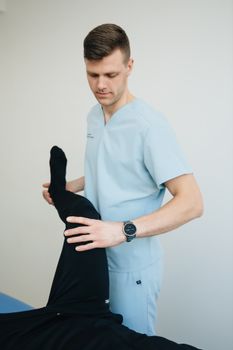
You may have watched a physical therapist help someone walk after surgery, return to a sport, or manage ongoing back pain and wondered, “Could I do that for a living?” If you searched for “how to become physical therapy,” the profession you are looking for is physical therapist, commonly called a PT. Physical therapy is the field; a physical therapist is the licensed health professional who evaluates movement problems and develops treatment plans.
In the United States, becoming a physical therapist generally requires a bachelor’s degree, a Doctor of Physical Therapy degree, and state licensure. The full process commonly takes about seven years, although accelerated programs may shorten the timeline.
Understand What Physical Therapists Do
Physical therapists care for people whose movement or physical function has been affected by injury, illness, disability, surgery, chronic disease, or aging. Their work may include evaluating strength and mobility, prescribing therapeutic exercise, providing hands-on treatment, teaching patients to use assistive devices, and monitoring recovery.
A PT might help an office worker manage neck pain, guide an athlete through rehabilitation after a knee injury, or help an older adult improve balance and reduce fall risk. Physical therapists also document care, communicate with families and other health professionals, and adjust treatment plans as patients progress.
The job is active and people-centered. PTs spend considerable time standing, demonstrating movements, and assisting patients. Communication, patience, clinical judgment, attention to detail, and physical stamina are all important.
Step 1: Prepare in High School and College
High school students can build a strong foundation by taking biology, chemistry, physics, anatomy, mathematics, and psychology when available. Volunteering or observing in a rehabilitation clinic can also provide a realistic view of the profession.
Most Doctor of Physical Therapy programs require applicants to complete a bachelor’s degree first. You do not necessarily need to major in exercise science or biology. Students may choose any major as long as they complete the prerequisites required by their preferred DPT programs.
Common prerequisite subjects include:
- Human anatomy and physiology
- General biology
- General chemistry
- Physics
- Statistics
- Psychology
- Exercise physiology or kinesiology
Requirements vary significantly. Some schools also request observation hours, recommendations, interviews, or standardized test scores. Review several programs early in college so that missing courses do not delay your application.
Step 2: Gain Relevant Experience
Shadowing or working around physical therapists helps you confirm that the career fits your interests. It can also introduce you to different practice settings, including hospitals, outpatient clinics, rehabilitation centers, schools, nursing facilities, sports programs, and home health care.
When possible, observe more than one setting. Treating a hospitalized patient after major surgery is different from helping a runner return to competition. Varied experience can strengthen your understanding of patient care and give you useful examples to discuss during admissions interviews.
Keep an accurate record of your hours and supervisors. Even if a program does not require observation, the experience may help you write a more specific and thoughtful application essay.
Step 3: Earn a Doctor of Physical Therapy Degree
To enter the profession, you must graduate from an accredited Doctor of Physical Therapy program. A DPT is a clinical doctorate, but it does not make the graduate a physician or medical doctor.
Before applying, confirm the school’s accreditation status in the official CAPTE directory of physical therapy programs. Accreditation is essential because graduating from an appropriate accredited program is generally required for the licensing process.
DPT programs usually take about three years. Coursework typically covers anatomy, biomechanics, neuroscience, exercise physiology, pharmacology, pathology, diagnostic screening, therapeutic interventions, ethics, and evidence-based practice. Students also complete supervised clinical education with real patients in multiple settings.
Admission can be competitive, so grades in science prerequisites matter. Schools may also consider communication skills, service experience, knowledge of the profession, and the ability to handle an intensive academic schedule.
Step 4: Pass the Licensing Examination
Graduating with a DPT does not automatically authorize you to practice. Every U.S. jurisdiction requires physical therapists to be licensed. Candidates generally apply through the licensing board in the state or jurisdiction where they plan to work and must be approved to take the National Physical Therapy Examination, or NPTE.
The NPTE evaluates knowledge and abilities needed for entry-level practice. State requirements may also include:
- A jurisprudence examination on state laws and professional rules
- Official transcripts and application fees
- A criminal background check or fingerprinting
- Additional documentation required by the licensing board
Because rules and application procedures differ, consult the relevant state board well before graduation. After receiving a license, PTs must renew it according to state deadlines. Many states require continuing education or other evidence of ongoing professional competence.
Step 5: Begin Your Physical Therapy Career
Newly licensed PTs can apply directly for entry-level positions. A postgraduate residency is optional rather than required for general practice. Your first job might be in an outpatient orthopedic clinic, hospital, skilled nursing facility, rehabilitation center, school system, home health agency, or community health program.
Consider more than salary when comparing offers. Mentorship, patient load, documentation expectations, scheduling, benefits, workplace culture, and opportunities to learn can strongly affect your early career experience.
After gaining experience, you may pursue a residency, fellowship, management role, teaching position, research work, or specialty certification. Areas of advanced practice include orthopedics, sports, neurology, pediatrics, geriatrics, oncology, cardiovascular and pulmonary care, pelvic health, and wound management.
How Long Does It Take?
A common route includes four years for a bachelor’s degree and approximately three years for a DPT, for a total of about seven years. Some universities offer combined or accelerated pathways, such as a three-year undergraduate phase followed by a three-year professional phase.
When comparing options, evaluate total tuition, living expenses, program completion rates, clinical placements, licensing-exam performance, and financial aid. The fastest program is not always the most practical or affordable choice. For a broader planning overview, review these essential physical therapist education requirements and career steps.
Physical Therapist or Physical Therapist Assistant?
A physical therapist assistant, or PTA, is a different licensed role. PTAs provide treatments under a physical therapist’s direction, while PTs perform evaluations, establish diagnoses related to movement dysfunction, and create plans of care. PTA education usually involves an accredited associate-degree program followed by the PTA licensing examination and state requirements.
Becoming a PTA can be a rewarding path, but it is not an automatic bridge to becoming a PT. A PTA who later wants to become a physical therapist must still satisfy DPT admissions requirements and complete the professional doctoral program.
Is This Career Right for You?
Physical therapy may suit you if you enjoy science, movement, problem-solving, and sustained interaction with people. Progress is not always quick, and patients may be frightened, frustrated, or in pain. Successful PTs combine clinical knowledge with empathy, adaptability, and the ability to motivate others.
The path requires a substantial investment of time and money, so observe practicing clinicians, compare accredited programs, and calculate likely education costs before committing. With careful preparation, the journey from undergraduate student to licensed physical therapist becomes a clear series of achievable steps.