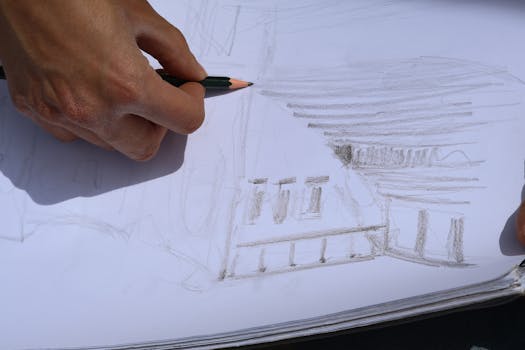
Exploring the world of roller coaster sketch marks the intersection of engineering, art, and sheer creativity. Sketching roller coasters is not just about capturing thrill and excitement; it’s also about visualizing motion and physics in an artistic format. Whether you’re an aspiring architect, an artist looking for new inspiration, or someone simply intrigued by the curves and loops of these structures, this guide will walk you through the essentials for mastering the art of roller coaster sketching.
Getting Started With Roller Coaster Sketching
Before putting pencil to paper, it’s crucial to understand what makes roller coaster sketches both captivating and challenging. Study various types of roller coasters from wooden behemoths to sleek steel designs, and pay attention to their unique features. Observation is key; the more you expose yourself to these structures, the easier it will become to render them with accuracy and creativity.
Essential Tools for Roller Coaster Sketching
Just like in any art form, having the right tools can significantly impact your output. A quality sketchpad and an assortment of pencils ranging from 2B to 6B are essential. Consider using graph paper for more precise linear sketches. You might also find value in using a good eraser for refining lines and correcting mistakes efficiently.
Perfecting Your Roller Coaster Sketch
Begin with simple shapes and lines. Sketching roller coasters requires understanding angles, curves, and perspectives. Start with basic lines to map out the coaster’s path, then gradually add complexity. Look for symmetry and balance in your compositions, but don’t be afraid to explore asymmetrical designs that showcase dynamic motion.
Learn to layer details by prioritizing key components such as tracks, supports, and the train itself. Consider studying architectural design tools to help with perspective accuracy and structural integrity in your sketches. Remember that the prowess of a roller coaster sketch lies in both capturing the engineering marvel and expressing artistic flair.
Techniques for Adding Depth and Texture
Adding depth to your sketches can bring your roller coaster designs to life. Experiment with shading techniques to create dimension, paying close attention to light sources. Texturing the rails and support beams can also add realism. Practice cross-hatching, stippling, and other shading methods to add variety and interest to different sections of your sketch.
Remember, depth is not only about shades and textures but also about understanding perspectives. Mastering vanishing points will give your sketches a three-dimensional feel that is essential for creating eye-catching roller coaster art.
Finding Inspiration and Resources
Inspiration can be found all around you, from visiting your local amusement parks to exploring online resources. Websites like Wikipedia offer detailed insights into various coaster designs and their histories. Additionally, joining online forums and communities dedicated to coaster enthusiasts can spark new ideas and provide helpful feedback.
If you’re a student seeking to incorporate roller coaster sketching into your academic portfolio, consider applying for scholarships for art students. These can provide financial aid and foster your passion in a structured educational setting.
Showcasing Your Work
Once you’ve honed your skills, consider sharing your sketches with a broader audience. Platforms like social media offer excellent opportunities to gain feedback and build a community. Engaging with seasoned sketch artists or architectural aficionados can open doors to networking and further skill refinement. You might even consider hosting an exhibition or demo during a local event related to art or engineering.
Moreover, documenting your progress can be a fulfilling practice. Keep a digital portfolio that showcases your journey from initial drafts to refined sketches. This not only helps in tracking your improvement but also serves as an excellent reference for future projects.
Conclusion
Embracing the art of roller coaster sketch is about much more than illustrating thrill rides. It involves understanding the intricacies of design and expressing one’s vision through art. Whether you’re sketching for personal satisfaction or pursuing a career where this skill might be relevant, the journey offers ample opportunities for personal and professional growth.
Allow your imagination to soar and create sketches that inspire and captivate. The joy found in roller coaster sketching can lead to myriad possibilities, offering not just a hobby but a potential stepping stone toward artistic and career aspirations.
- Roller coaster sketching blends creativity with engineering principles.
- Start with basic tools and build upon your technique.
- Embrace depth and perspective for dynamic designs.
- Seek inspiration online and in real-world settings.
- Share your work to gain feedback and improve.
What are the best pencils for roller coaster sketching?
Use a range of pencils from 2B to 6B for a variety of line weights. Finer pencils like 2B are excellent for detail work, while softer pencils like 6B offer depth in shading.
How can I improve my perspective drawing?
Practice regularly and consider studying architectural drawing guides. Focusing on vanishing points and horizon lines can significantly enhance your sketches.
Where can I find resources for roller coaster design history?
Online platforms like Wikipedia provide extensive information on the history and design of roller coasters.
What role does shading play in sketching?
Shading adds depth and dimension to sketches. Techniques like cross-hatching and stippling can create realistic textures and enhance visual interest.
Are there scholarships for students interested in art studies?
Yes, numerous scholarships support aspiring artists. Check opportunities such as scholarships for art students which can assist financially and encourage artistic development.