
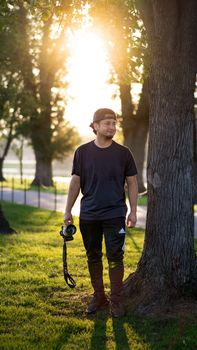
You finish a long wedding shoot with sore shoulders, hundreds of files to sort, and a client already asking when the previews will be ready. Meanwhile, you still need to send invoices, back up the images, maintain your equipment, and find the next booking. This is the side of professional photography that social media rarely shows.
The challenges of photography extend far beyond taking attractive pictures. Professional photographers must combine creative ability with physical stamina, technical knowledge, customer service, financial planning, and business management. The work can be rewarding, but building a sustainable career requires realistic expectations and dependable systems.
Unpredictable Income and Seasonal Demand
Many photographers work for themselves, which means income may change considerably from month to month. Wedding photographers may be busiest during certain seasons, while commercial and portrait photographers can experience gaps between projects. Even established professionals must account for cancellations, delayed payments, equipment costs, taxes, insurance, and marketing expenses.
Experienced photographers manage income uncertainty by treating photography as a business rather than relying on creativity alone. Common strategies include:
- Maintaining a separate business bank account
- Tracking income, expenses, deposits, and payment deadlines
- Building an emergency fund for slower periods
- Using written contracts and clear cancellation policies
- Requesting retainers before reserving dates
- Offering several related services instead of depending on one type of assignment
For example, a portrait photographer might also provide corporate headshots, event coverage, photo editing, or printed products. Diversification does not eliminate slow periods, but it can make them easier to manage.
Standing Out in a Crowded Market
Another major challenge is competition. Affordable cameras and capable smartphones have made photography more accessible, but owning equipment is not the same as consistently delivering professional work. Clients also pay for reliability, planning, communication, editing, problem-solving, and a recognizable visual style.
Professionals usually avoid competing on price alone. Continually lowering rates can make it difficult to cover business expenses or provide the level of service clients expect. Instead, successful photographers identify the people they serve and explain what makes their experience different.
A focused portfolio is especially helpful. A photographer seeking architectural assignments should not make potential clients search through unrelated family portraits. Consistent editing, subject matter, and presentation make it easier for viewers to understand the photographer’s strengths.
Education remains important as well. Learning lighting, composition, posing, editing, and business practices creates a stronger foundation than repeatedly buying new equipment. Anyone planning to enter the field can start with this guide to becoming a professional photographer.
Managing Clients and Expectations
Photography is a service profession, so communication can be as important as camera technique. Problems often arise when the photographer and client have different ideas about the schedule, final images, editing style, usage rights, or delivery date.
Professionals reduce misunderstandings before the shoot. They discuss the client’s goals, create a shot list when appropriate, explain what is included, and put important details in a contract. That agreement may cover payment terms, rescheduling, image delivery, copyright, model releases, travel charges, and how the photographs may be used.
It is also important to avoid promises that depend on uncontrollable conditions. Weather, venue restrictions, uncooperative subjects, and changing event schedules can affect a session. Experienced photographers develop backup plans, carry spare essentials, and communicate promptly when circumstances change.
Long Hours Behind the Scenes
A one-hour session may create several additional hours of work. Photographers must transfer files, create backups, select the strongest images, adjust color and exposure, export files, upload galleries, answer messages, and handle billing. Large assignments can produce thousands of photographs requiring careful review.
Without a workflow, editing can consume evenings and weekends. Professionals often use consistent folder names, reusable editing presets, gallery templates, bookkeeping software, and scheduled communication periods. They may also set realistic turnaround times instead of promising immediate delivery.
Backing up files is essential. A practical system keeps multiple copies, with at least one stored separately from the primary computer or studio. Memory cards should not be erased until the images have been transferred and verified. For important assignments, many photographers use cameras that can record to two cards simultaneously, although equipment alone cannot replace a complete backup process.
Physical Strain and Fatigue
Photography can be physically demanding. A professional may carry cameras and lenses, stand for hours, kneel for low angles, hold equipment in a fixed position, or spend long periods editing at a computer. Repetition, force, lifting, and awkward posture are recognized workplace risk factors for musculoskeletal problems, according to NIOSH guidance on ergonomics and work-related musculoskeletal disorders.
Photographers can reduce strain by choosing equipment carefully rather than carrying every item they own. Supportive straps, rolling cases, tripods, monopods, and properly fitted bags may help distribute or reduce the load. During editing, an adjustable chair, suitable monitor height, comfortable keyboard position, and regular movement breaks can improve comfort.
Pain should not simply be accepted as part of the profession. Persistent pain, numbness, tingling, weakness, or symptoms that interfere with work or sleep warrant medical evaluation. Early attention may prevent a manageable problem from becoming a long-term limitation.
Creative Pressure and Burnout
Turning a creative interest into paid work changes the experience. Photographers may have to produce appealing images even when they feel tired, uninspired, or personally uninterested in the assignment. They may also face criticism, rejection, demanding clients, and constant comparison on social media.
Professionals protect their energy by setting boundaries around availability, limiting the number of assignments they accept, and allowing time for administrative work and recovery. Personal projects can also preserve curiosity because they give photographers room to experiment without client expectations.
Burnout is not always solved by purchasing new gear or changing editing styles. Sometimes the more useful response is adjusting workload, pricing, turnaround times, or the types of clients being accepted. Regularly reviewing which assignments are profitable and sustainable helps photographers make deliberate career decisions.
Keeping Up With Technology Without Chasing Every Trend
Cameras, editing programs, storage systems, and client expectations continue to evolve. Photographers need to maintain relevant skills, but constantly replacing functional equipment can create financial pressure without improving results.
Working professionals usually upgrade when a tool solves a specific problem, such as unreliable autofocus, insufficient backup options, slow file processing, or inadequate performance in required conditions. Renting equipment before buying can be useful for occasional assignments or for evaluating an expensive purchase.
The fundamentals remain valuable regardless of technology. Understanding light, timing, composition, color, and human behavior helps photographers adapt when tools change. Technical updates are easier to manage when they build on strong basic skills.
Building a Career That Can Last
The challenges of photography are manageable when they are addressed systematically. A sustainable career depends on more than talent: it requires clear contracts, sensible pricing, reliable backups, healthy work habits, strong communication, and ongoing learning.
Professionals do not avoid every difficult client, slow season, equipment failure, or creative slump. Instead, they prepare for predictable problems and respond calmly when unexpected ones occur. That combination of artistic skill and practical discipline is what allows photography to become not only meaningful work, but a durable profession.

