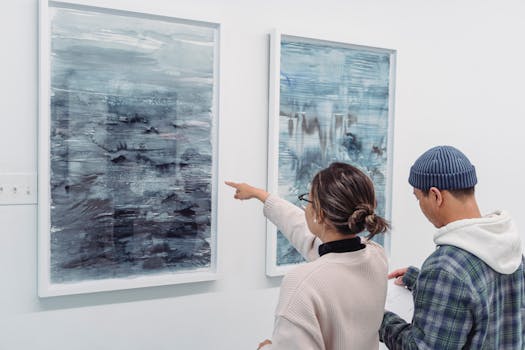
Symmetrical in art refers to the balanced distribution of visual elements within a composition, creating mirror-like reflections around a central axis. This concept is pivotal in achieving harmony and is a cornerstone of various artistic practices. Artists leverage symmetry to evoke emotions, convey meanings, and foster a sense of order and tranquility.
The Significance of Symmetrical in Art
At the crux of understanding symmetry in art lies the definition of symmetry itself. Symmetry, in its most basic form, implies a balanced and proportionate similarity between two halves of a whole. In art, symmetry contributes to a composition’s aesthetics, eliciting a visually pleasing and coherent image. This harmony in form often translates into a deeper connection between the art and its audience.
Understanding the Meaning of Symmetry in Art
The meaning of symmetry in art extends beyond visual appeal; it serves as a fundamental tool in story-telling. By utilizing symmetrical structures, artists can guide viewers’ attention and emphasize particular focal points. This method can create dynamic narratives where balance and proportion play a crucial role in the visual storytelling process.
Symmetry is found in numerous art forms, from classical paintings and architecture to modern-day graphic design. Its application helps artists maintain a sense of order while simultaneously allowing for creative expression. Whether through perfect symmetrical designs or employing asymmetrical balance, artists explore and redefine the boundaries of visual art.
Exploring the Different Types of Symmetry
Symmetrical in art can be categorized into various types, each offering unique characteristics and applications:
- Bilateral Symmetry: This is the most common type, where one side is a mirror image of the other. It is prevalent in human faces and classical architecture.
- Radial Symmetry: Found in elements that radiate from a central point, like mandalas or rose windows in Gothic cathedrals.
- Translational Symmetry: Occurs when a motif is repeated at regular intervals, often seen in patterns and textiles.
Each type of symmetry offers artists different tools for structuring their compositions, relying on audience perception of order and beauty.
The Role of Symmetry in Enhancing Creativity
While symmetry might seem restrictive, it actually provides a framework within which creativity can flourish. By establishing a balanced foundation, artists can experiment with colors, textures, and visual contrasts, thus enhancing their creative output.
This interaction between constraint and freedom leads to innovative designs and artworks that captivate and inspire. In fact, many art schools, particularly those in Europe, emphasize the understanding of symmetry in their curricula to foster creativity. For more on this, consider exploring studying at the best art schools in Europe.
Historical Perspectives on Symmetry in Art
The application of symmetry in art dates back centuries, reflected in ancient architecture and sculpture. Historic monuments, such as the Parthenon in Greece and the Pyramids of Egypt, showcase the mastery of symmetry, indicating its timeless appeal.
In the Renaissance period, symmetry became a critical principle, as artists like Leonardo da Vinci and Michelangelo employed it to achieve harmony in their masterpieces. Today, the legacy of these techniques informs contemporary art movements, blending traditional with modern interpretations.
Modern Day Usage of Symmetry
The modern art scene continues to utilize symmetry, albeit in more abstract and dynamic ways. Artists, designers, and architects harness symmetrical structures while exploring asymmetrical elements to challenge conventional notions of balance. This duality of symmetry and asymmetry allows modern creatives to push boundaries and redefine art forms.
Whether in visual arts, music, or even culinary presentations, the principles of symmetry dictate a form of universal language that resonates across various disciplines.
Challenges in the Artistic Use of Symmetry
While symmetry offers numerous benefits, it also presents challenges. Achieving perfect symmetry can sometimes stifle creativity, leading artists to seek out imperfections and asymmetries deliberately. This intentional imbalance adds an element of surprise and dynamic energy to artworks.
Furthermore, reliance on symmetry may result in predictable designs. Artists must balance the use of symmetry with innovation to maintain viewer engagement, thus preventing art from becoming static or monotonous.
The Impact of Symmetry on Viewer Perception
Symmetrical in art not only aids in artistic creation but also significantly affects how art is perceived by audiences. Symmetry often invokes feelings of calmness and serenity, appealing to the natural human preference for order.
Nevertheless, varying degrees of symmetry or its absence can evoke different emotional responses. It is this interplay between expectation and deviation that makes symmetry such a compelling aspect of artistic expression. For more participants in learning and observation, you may refer to additional resources like Wikipedia’s extensive article on Art.
In conclusion, the application of symmetrical in art is a dynamic and integral component of the artistic landscape. Understanding symmetry’s multifaceted roles helps artists craft compelling narratives and engage audiences effectively.
- Symmetry in art is key to creating balanced, harmonious compositions.
- Understanding symmetry enhances creativity and artistic expression.
- Historical and modern art both heavily rely on symmetry as a foundational element.
- The perception of symmetry varies, affecting viewer engagement and emotional response.
- Challenges in symmetry use encourage innovation and exploration in art.
What is the importance of symmetry in art?
Symmetry in art is important as it provides balance and harmony, leading to compositions that are aesthetically pleasing and emotionally resonant.
How does symmetry enhance creativity?
Symmetry offers artists a structured foundation, allowing them to explore and push creative boundaries while maintaining balance.
What are the types of symmetry used in art?
Art often employs bilateral, radial, and translational symmetries, each offering unique ways to structure and influence compositions.
How has symmetry been used historically in art?
Symmetry has been a constant in historic art and architecture, evident in works from Ancient Greece to the Renaissance, attributing a timeless aspect to its use.
Why might an artist choose to break symmetry?
Artists may break symmetry to introduce unpredictability and dynamic energy, thus preventing designs from appearing predictable or static.